Leadership and Governance
From the SBL curriculum
TL;DR
Leadership sets direction and motivates people, while governance ensures accountability, compliance, and ethical conduct. Effective SBL (Strategic Business Leader) performance requires a strong interplay between both to achieve sustainable success. Good governance provides the framework within which leaders operate, making sure decisions benefit stakeholders.
1. The Mental Model
Think of it like this: leadership is the driver of a car, deciding where to go and how fast. Governance is the traffic rules, road signs, and car maintenance checks that ensure the journey is safe, legal, and reliable for everyone in the vehicle (and other road users).
2. The Core Material
In SBL, you need to understand that leadership isn't just about one person; it's about influencing others to achieve objectives. Governance, on the other hand, is the system by which organisations are directed and controlled. They're two sides of the same coin, both crucial for long-term organisational health and performance.
2.1 Leadership: Setting the Course
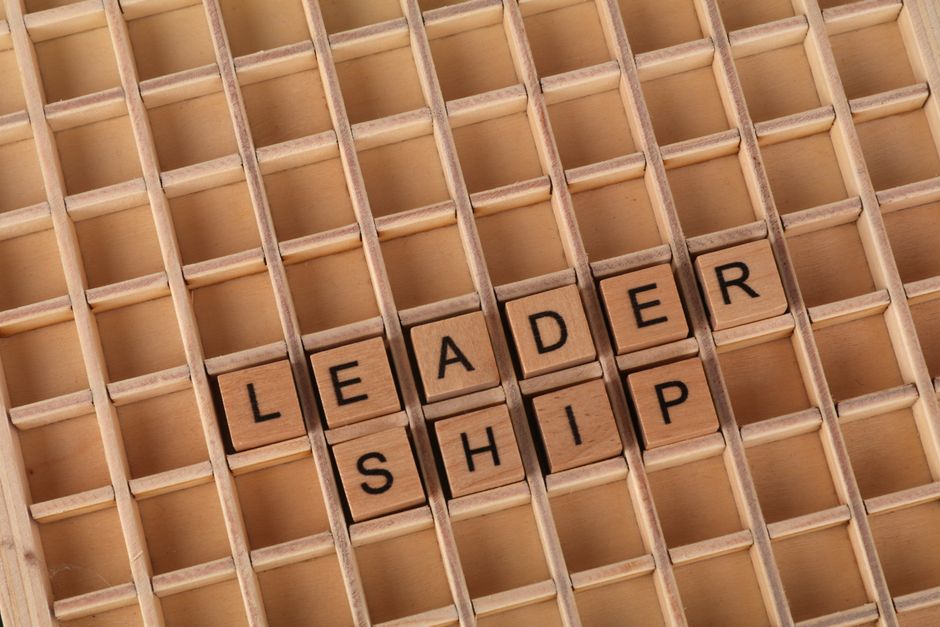
Photo by Ann H on Pexels
Leadership involves defining vision, inspiring teams, making strategic decisions, and fostering a positive organisational culture. Different leadership styles exist (e.g., transformational, transactional, autocratic, democratic), and the most effective style often depends on the situation and the people involved.
Key aspects of leadership include:
* Vision and Strategy: Creating a clear picture of the future and the plan to get there.
* Motivation and Influence: Inspiring employees and stakeholders.
* Decision-Making: Making sound choices under pressure.
* Culture Building: Shaping the values and norms of the organisation.
* Change Management: Guiding the organisation through transitions.
2.2 Governance: Ensuring Control and Accountability

Photo by RDNE Stock project on Pexels
Governance provides the structure through which an organisation is directed and controlled. It encompasses the relationships between management, its board, shareholders, and other stakeholders. Its primary goal is to ensure the organisation operates ethically, responsibly, and in the best interests of its long-term viability and stakeholders.
Core elements of good governance include:
* Board of Directors: Responsible for oversight, strategic direction, and holding management accountable. This includes non-executive directors (NEDs) who provide independent judgement.
* Ethics and Integrity: Establishing a strong ethical culture and code of conduct.
* Risk Management: Identifying, assessing, and mitigating risks.
* Internal Controls: Systems and processes to ensure operational efficiency, financial reporting reliability, and compliance with laws and regulations.
* Transparency and Disclosure: Open communication with stakeholders about performance and operations.
* Stakeholder Engagement: Considering the interests of all relevant parties (employees, customers, suppliers, community, etc.).
* Compliance: Adhering to relevant laws, regulations, and internal policies.
2.3 The Interplay

Photo by Landiva Weber on Pexels
Good leaders understand that effective governance isn't a burden but a supportive framework. It gives them legitimacy, builds trust, and helps prevent crises. Conversely, governance without strong leadership can become bureaucratic and ineffective. Leaders must champion good governance practices, embedding them into the organisational culture. The board, as a key governance body, plays a critical role in both supporting and challenging leadership.
Here's a simple flow of how they interact:
graph TD
    A["Leadership sets Vision & Strategy"] --> B["Governance establishes Framework & Controls"]
    B --> C["Leaders operate within Framework"]
    C --> D["Governance monitors Performance & Compliance"]
    D --> E["Board provides Oversight & Challenge to Leadership"]
    E --> F["Stakeholder Trust & Long-term Value"]
    F --> A
3. Worked Example
Imagine "TechInnovate Inc.", a fast-growing software company.
Leadership Challenge: The CEO, Alex, is a visionary who wants to expand rapidly into new markets and launch several innovative products simultaneously. His leadership is inspiring, and he motivates his teams to work long hours to meet ambitious deadlines.
Governance Gap: TechInnovate's board consists mainly of Alex's co-founders and early investors, who are very supportive but lack independent oversight. There are no formal risk management committees, and internal controls for new product development and financial reporting are weak due to the rapid growth. Ethics training is minimal.
The Problem: While Alex's leadership drives innovation, the lack of robust governance leads to issues. A new product launch suffers a significant bug because quality assurance processes were rushed. Financial irregularities emerge in a new subsidiary due to inadequate internal controls and a lack of independent auditing. These issues damage the company's reputation and stock price.
Solution: The board is restructured to include experienced independent non-executive directors (NEDs). A dedicated audit and risk committee is formed, chaired by an NED, to improve financial oversight and risk management. Mandatory ethics training is introduced, and whistleblowing channels are strengthened. Alex, despite his visionary drive, now understands he must champion these governance structures, ensuring his leadership efforts are supported by robust controls, leading to more sustainable growth and renewed stakeholder trust.
4. Key Takeaways
- Leadership is about setting direction, inspiring people, and driving performance.
- Governance is the system of checks and balances that ensures accountability, compliance, and ethical operations.
- Strong leadership needs a robust governance framework to ensure sustainable, ethical, and responsible growth.
- An effective board, including independent non-executive directors, is crucial for good governance.
- Ignoring governance can lead to ethical lapses, financial mismanagement, and reputational damage, even with strong leadership.
- Good governance enhances stakeholder trust and helps an organisation achieve its long-term strategic objectives.
- Leaders must embed a culture of ethics and compliance throughout the organisation.
Common Mistakes to Avoid:
- Confusing leadership with governance: They are distinct but interdependent; one isn't a substitute for the other.
- Viewing governance as a mere compliance exercise: It's a strategic asset that supports long-term value creation.
- Ignoring stakeholder interests: Good governance considers a wide range of stakeholders, not just shareholders.
- Having a weak or compliant board: A board needs independent members who can challenge management constructively.
5. Now Try It
Spend 15 minutes thinking about a company you know (perhaps your current employer or a company from a case study). Identify two examples of strong leadership you've observed or read about. Then, identify two areas where their governance could be strengthened (e.g., board composition, risk management, ethical policy enforcement). What impact would these governance improvements have on the leadership's ability to achieve long-term success? Success looks like clearly articulating the specific leadership actions and linking them directly to specific governance elements, explaining the 'why' for each improvement.
Frequently asked about Leadership and Governance
Study this next
Get the full SBL curriculum
Clone the complete plan to your dashboard for unlimited AI-generated notes, practice quizzes, and a personalised revision schedule.
Save this course free