Early Life and Education in Trinidad and Tobago
From the Ahq curriculum
TL;DR
Understanding the early life and education systems in Trinidad and Tobago requires looking at historical influences like colonialism and slavery, alongside the development of local institutions. These factors shaped how access to education evolved, initially creating a stratified system. Today, education is a cornerstone of national development, emphasizing inclusivity and cultural relevance.
1. The Mental Model
Think of Trinidad and Tobago's early education as a layered cake, with each historical period adding a new, often unequal, layer. The bottom layers were externally imposed, while later layers reflect local efforts to create a more equitable and relevant system.
2. The Core Material
Trinidad and Tobago's journey in education is deeply intertwined with its colonial past and the legacy of slavery. Initially, formal education was a privilege, not a right, and its structure reflected the socio-economic hierarchies of the time.
Colonial Influences and Early Schools
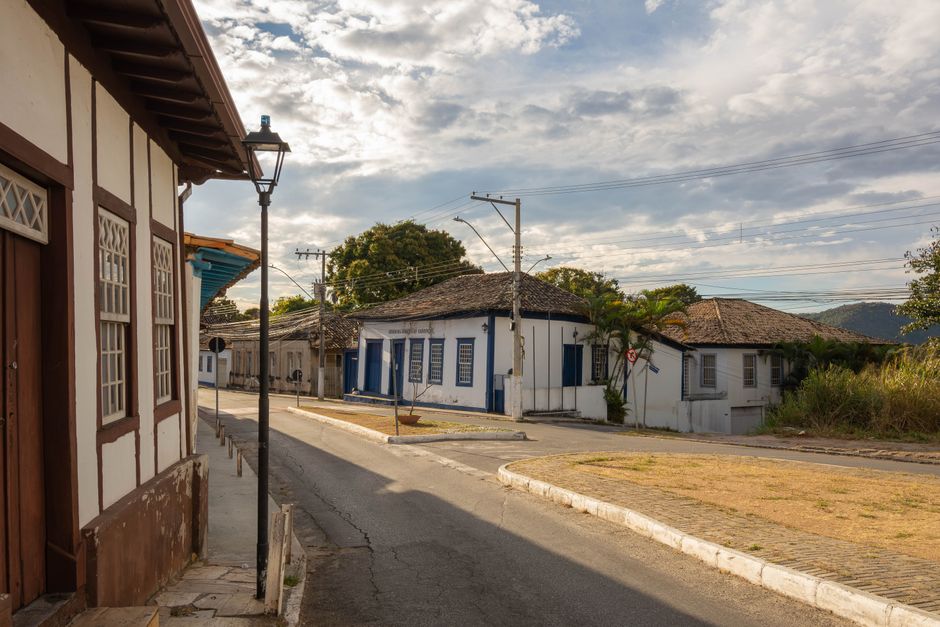
Photo by Jerson Martins on Pexels
During British colonial rule, education was primarily geared towards two main objectives:
1. For the elite: To prepare children of planters and colonial administrators for leadership roles, often through private, denominational schools that mirrored British educational standards.
2. For the masses (limited): To provide basic literacy and religious instruction to enslaved and later, indentured labourers' children, primarily through missionary efforts. This was often seen as a means of social control and assimilation, rather than empowerment.
The Mico Charity, established in the 1830s, was one of the early significant efforts to provide education to the formerly enslaved population. These schools aimed to instill Christian values and basic vocational skills. However, attendance was often inconsistent due to economic necessity, as children were needed for labour.
Denominational System

Photo by https://kaboompics.com/ on Pexels
A defining feature of early education was the strong influence of Christian denominations (Anglican, Roman Catholic, Presbyterian, Methodist). These religious bodies were crucial in establishing schools across the islands, often receiving government grants. This led to a denominational school system where religious instruction was a core component of the curriculum. While it expanded access to some extent, it also meant that different communities (e.g., Hindu and Muslim indentured labourers) faced challenges in establishing schools that reflected their own cultural and religious needs.
Growth of Public Education

Photo by Ann H on Pexels
Towards the late 19th and early 20th centuries, there was a gradual shift towards greater government involvement in education. The establishment of government schools aimed to supplement the denominational system and provide more standardized curricula. However, access to secondary education remained highly competitive and restricted, largely through grammar schools like Queen's Royal College and St. Mary's College, which were initially exclusive and later opened to competitive examination.
The following diagram illustrates the evolution of early education access:
graph TD
    A["Pre-Emancipation (Early 19th Century)"] --> B{"Limited Education Access"};
    B --> B1["Private Tutoring (Elite)"];
    B --> B2["Basic Missionary Instruction (Enslaved)"];
    B1 --> C["Stratified System"];
    B2 --> C;
    C --> D["Post-Emancipation (Mid-19th Century)"];
    D --> D1["Mico Charity & Denominational Schools (Wider, but still limited)"];
    D1 --> E["Increased Government Role (Late 19th/Early 20th Century)"];
    E --> E1["Government Primary Schools"];
    E --> E2["Competitive Secondary Schools (e.g., QRC)"];
    E1 --> F["Expansion of Access"];
    E2 --> F;
    F --> G["Foundation for Modern Education System"];
Curriculum and Language
Early curricula were heavily Eurocentric, focusing on British history, literature, and the English language. This was a tool for cultural assimilation and often disregarded local history, traditions, and the use of Creole languages. It wasn't until later in the 20th century that efforts were made to localize the curriculum and incorporate aspects of Trinidad and Tobago's diverse culture.
Impact on Social Mobility
Education, even in its limited early forms, played a critical role in social mobility for some. Gaining literacy or a secondary education provided pathways to clerical jobs, teaching, or civil service, offering an alternative to agricultural labour for a select few. However, systemic barriers based on race, class, and gender remained significant.
3. Worked Example
Imagine a child named "Raj" in 1890s Trinidad. Raj is the child of indentured labourers. His parents might send him to a nearby Presbyterian mission school, if one is accessible and they can spare him from farm work.
At this school, Raj would learn:
* Reading and Writing: Primarily in English, using materials often imported from Britain.
* Arithmetic: Basic sums and calculations.
* Religious Instruction: Daily Bible readings and Christian catechism.
* Vocational Skills: Perhaps some basic carpentry or domestic science, depending on the school.
The curriculum would likely not include much about Indian history, culture, or the rich oral traditions of his family. If Raj showed exceptional academic promise, his path to secondary education would be extremely difficult, requiring passing a highly competitive entrance exam and potentially moving to a larger town like Port of Spain to attend a government or prestigious denominational secondary school, a rare feat for someone from his background at that time. This shows how early education, while present, was often culturally misaligned and difficult to access for the majority.
4. Key Takeaways
- Early education in Trinidad and Tobago was heavily shaped by British colonial policy and the legacy of slavery.
- The denominational school system, dominated by Christian missions, was fundamental in establishing early schools.
- Access to education was highly stratified, with significant disparities based on race, class, and economic status.
- The curriculum was largely Eurocentric, aiming for cultural assimilation rather than local relevance.
- While limited, education provided a pathway for social mobility for a select few.
- The transition from solely missionary efforts to increased government involvement marked a crucial step in expanding public education.
- The challenges of balancing diverse cultural needs within the educational system began in these early periods.
Common Mistakes to Avoid:
- Don't assume early education was universally accessible or equitable.
- Don't overlook the significant role of religious institutions in establishing schools.
- Avoid thinking the curriculum was locally focused; it was heavily British-centric.
- Don't forget that economic necessity often limited children's ability to attend school consistently.
5. Now Try It
For the next 15 minutes, research one specific early school (e.g., Mico Charity Schools, Naparima College, Queen's Royal College) or an influential figure in early Trinidad and Tobago education. Write a short paragraph (5-7 sentences) describing its establishment, its primary aim, and who it served.
Success looks like: You can clearly articulate how that school or person contributed to, or reflected, the early educational landscape, identifying at least one connection to the themes discussed above (e.g., colonial influence, denominational system, access).
Frequently asked about Early Life and Education in Trinidad and Tobago
Study this next
Get the full Ahq curriculum
Clone the complete plan to your dashboard for unlimited AI-generated notes, practice quizzes, and a personalised revision schedule.
Save this course free