Clinical Implications and Future Directions
From the BHS275 curriculum
TL;DR
This chapter explores how current research findings translate into practical clinical applications and patient care strategies. We'll also look at emerging trends and future research directions shaping the field. Understanding these implications helps you bridge the gap between theory and real-world impact.
1. The Mental Model
Think of this topic as connecting the dots: starting from what we know (research), moving to what we do (clinical practice), and then looking at what we could do (future directions) to improve patient outcomes even further.
2. The Core Material
When we talk about clinical implications, we're discussing how research results can directly influence patient diagnosis, treatment, and management. It's about translating scientific discovery into tangible benefits for patients.
Translating Research into Practice

Photo by Arturo A on Pexels
This involves several steps, often summarized by the term "translational research." It bridges the gap between basic scientific discoveries and their application in human health.
graph TD
    A["Basic Research (e.g., lab studies)"] --> B["Pre-clinical Development (e.g., animal models)"];
    B --> C["Clinical Trials (Phases 1, 2, 3)"];
    C --> D["Regulatory Approval (e.g., FDA, EMA)"];
    D --> E["Clinical Practice & Guideline Development"];
    E --> F["Post-market Surveillance & Real-world Evidence"];
    F --> G["Feedback for New Research Questions"];
    G --> A;
- Evidence-Based Practice (EBP): This is a cornerstone. It means making clinical decisions by integrating the best available research evidence with clinical expertise and patient values. For you, this means always questioning "Why are we doing this?" and seeking the strongest evidence.
- New Diagnostic Tools: Research often leads to improved ways to detect diseases earlier or more accurately. For instance, novel biomarkers or imaging techniques can significantly change how clinicians identify conditions.
- Novel Therapies: This is perhaps the most direct impact, with new drugs, gene therapies, or surgical techniques emerging from research. These can offer better efficacy, fewer side effects, or options for previously untreatable conditions.
- Improved Patient Management Strategies: Beyond diagnosis and treatment, research informs best practices for managing chronic conditions, preventing complications, and enhancing quality of life. Think about personalized medicine, where treatment is tailored to an individual's genetic makeup.
Future Directions in Clinical Practice
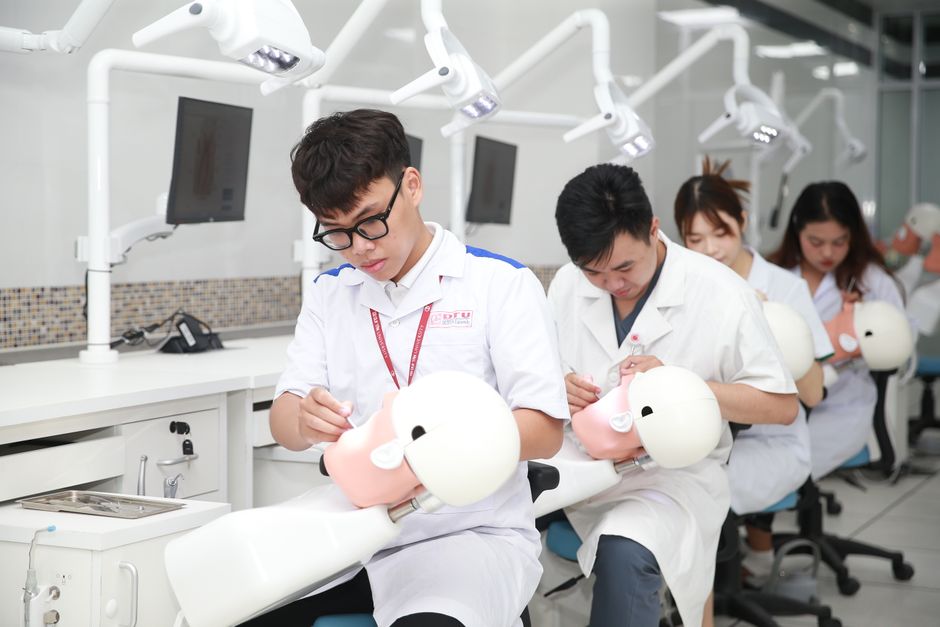
Photo by Duy Tân Đại học on Pexels
The field is constantly evolving. Here are some key areas shaping the future:
- Personalized Medicine (Precision Medicine): Moving beyond a "one-size-fits-all" approach, this uses an individual's genetic profile, lifestyle, and environment to guide treatment decisions. Genomic sequencing is becoming more accessible and central to this.
- Artificial Intelligence (AI) and Machine Learning (ML): These technologies are being integrated into diagnostics (e.g., analyzing medical images), drug discovery, predicting disease progression, and even optimizing hospital workflows.
- Telemedicine and Digital Health: The use of technology to deliver healthcare remotely is expanding rapidly. This includes virtual consultations, remote monitoring devices, and health apps, improving accessibility and continuity of care.
- Advanced Biologics and Gene Therapies: These cutting-edge treatments target diseases at a molecular level, offering potential cures for genetic disorders and complex diseases like cancer. CRISPR-Cas9 is a prime example of this revolutionary technology.
- Focus on Health Equity and Disparities: Future research and clinical efforts are increasingly focused on addressing health inequalities and ensuring that advancements benefit all populations, regardless of socioeconomic status or geographical location.
Questions to Consider:

Photo by Ann H on Pexels
On Translating Research into Practice:
- What is Evidence-Based Practice (EBP), and why is it crucial in clinical decision-making?
- Describe one way new diagnostic tools, derived from research, can impact patient care.
- How do novel therapies, such as new drugs, directly improve patient outcomes?
- Statement: Clinical guidelines are often developed based on the culmination of multiple research studies. Is this statement true or false?
- Fact: The process of taking a basic scientific discovery and applying it to human health is known as translational research. Is this fact correct?
On Future Directions:
- Explain how personalized medicine aims to improve treatment efficacy compared to traditional approaches.
- Provide two examples of how Artificial Intelligence (AI) is being integrated into future clinical practice.
- What are the primary benefits of telemedicine and digital health technologies for patients?
- Statement: Advanced biologics and gene therapies target diseases at an environmental level. Is this statement true or false?
- Fact: CRISPR-Cas9 is an example of a technology that could drive future gene therapies. Is this fact correct?
3. Worked Example
Let's consider the development of a new cancer immunotherapy drug.
Scenario: Researchers identify a new checkpoint protein on cancer cells that helps them evade the immune system.
- Basic Research: Lab studies confirm the protein's role in immune evasion. (e.g., in vitro experiments, cell cultures).
- Pre-clinical Development: The research team develops an antibody that blocks this checkpoint protein. They test it in animal models (mice with tumors) and find it significantly shrinks tumors.
- Clinical Trials:
- Phase 1: Small group of human volunteers (often with advanced cancer) receive the drug to check for safety and dosage.
- Phase 2: Larger group of patients with specific cancers receive the drug to assess effectiveness and side effects.
- Phase 3: Even larger, randomized controlled trials compare the new drug to existing treatments, demonstrating superiority or non-inferiority.
- Regulatory Approval: Based on positive Phase 3 data, the drug receives approval from regulatory bodies (like the FDA).
- Clinical Implication: The drug becomes a new treatment option for patients, potentially leading to better survival rates and quality of life than previous therapies. It's incorporated into clinical guidelines.
- Future Direction: Further research might combine this immunotherapy with other treatments, explore its use in different cancer types, or investigate patient biomarkers to predict who will respond best (personalized medicine).
4. Key Takeaways
- Clinical implications refer to how research findings directly impact patient care, diagnostics, and treatment strategies.
- Translational research is the bridge connecting basic scientific discoveries to practical health applications.
- Evidence-Based Practice (EBP) is fundamental, combining research evidence, clinical expertise, and patient values.
- Personalized medicine, AI, telemedicine, and advanced gene therapies are major drivers of future clinical directions.
- Understanding these areas helps you appreciate the journey from lab bench to patient bedside.
Common Mistakes to Avoid:
- Don't assume that promising lab results will automatically translate to clinical success; many fail in trials.
- Don't overlook the importance of patient values and preferences in EBP, focusing only on research evidence.
- Avoid thinking that future technologies like AI will entirely replace human clinicians; they're tools to enhance care.
- Don't forget that clinical implications also extend to prevention and managing chronic conditions, not just acute treatments.
5. Now Try It
For 15 minutes, research a current medical breakthrough (e.g., a new drug approved in the last year, or a significant advance in a specific disease area).
- Identify what basic research led to this breakthrough.
- Describe its current clinical implications (how is it changing patient care now?).
- Discuss at least two potential future directions or further research areas related to this breakthrough.
Success looks like clearly articulating the journey from discovery to current impact, and then thoughtfully projecting its future trajectory.
Frequently asked about Clinical Implications and Future Directions
More from BHS275
Get the full BHS275 curriculum
Clone the complete plan to your dashboard for unlimited AI-generated notes, practice quizzes, and a personalised revision schedule.
Save this course free