The Principle of Abuse of Rights
From the Persons and Family Relations Law curriculum
TL;DR
The Principle of Abuse of Rights stops you from exercising your legal rights in a way that harms others without a legitimate purpose. It balances individual freedom with social responsibility, preventing malicious or oppressive acts even if technically within your rights. If you act maliciously, oppressively, or without proper motive, you can be held liable for damages.
1. The Mental Model
Think of your rights like owning a sharp knife: you can use it, but you can't deliberately stab someone with it, even if you technically "own" the knife and have the "right" to hold it. The principle ensures your exercise of rights respects others and serves a legitimate purpose.
2. The Core Material
In Persons and Family Relations Law, and indeed across Philippine civil law, the Principle of Abuse of Rights is a fundamental concept enshrined primarily in Article 19 of the Civil Code of the Philippines. It acts as a general sanction against acts that, while perhaps not illegal per se, are performed with the intent to injure, oppress, or without proper motive, causing damage to another.
Let's break down the key elements you need to understand:
2.1 Article 19: The Foundation

Photo by Brett Jordan on Pexels
Article 19 states:
"Every person must, in the exercise of his rights and in the performance of his duties, act with justice, give everyone his due, and observe honesty and good faith."
This isn't just a moral exhortation; it's a legal command. It sets the standard for how you should exercise your rights and perform your duties. When you deviate from this standard and cause damage, you might be liable for an abuse of rights.
2.2 Elements of Abuse of Rights
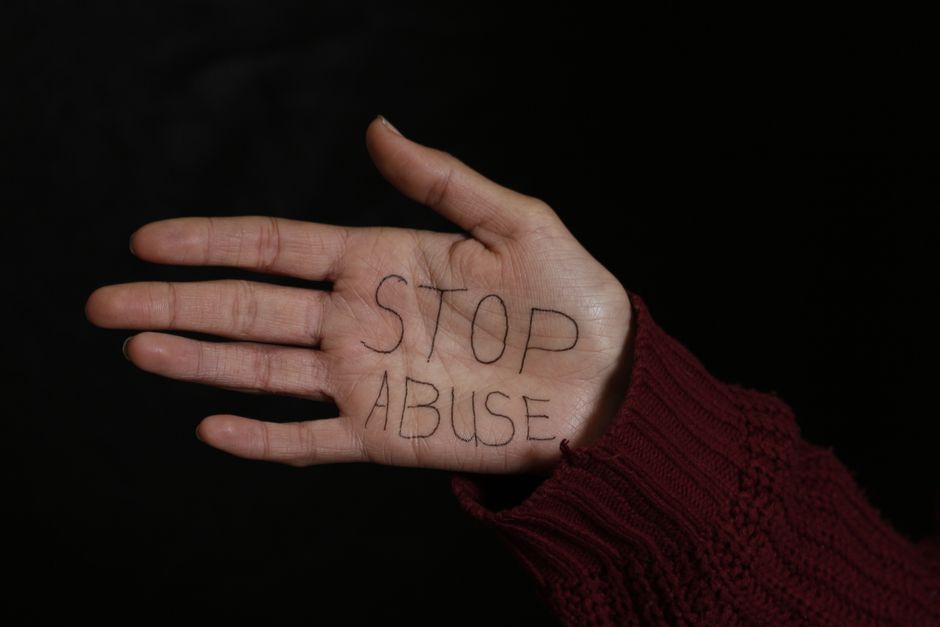
Photo by Michelle Hart on Pexels
For a claim of abuse of rights to succeed, three elements generally must be present:
- There is a legal right or duty: The person must be exercising a right or performing a duty that is legally recognized. This isn't about doing something illegal; it's about doing something legal in an improper way.
- The right or duty is exercised in bad faith or with intent to injure: This is the crucial element. It means acting maliciously, oppressively, or without proper motive. The intent to cause damage or prejudice to another, or acting with a purpose outside the legitimate scope of the right, triggers this element.
- There is damage or injury to another: The improper exercise of the right must actually cause harm or prejudice to another person.
2.3 Bad Faith and Intent to Injure

Photo by Polina ⠀ on Pexels
Understanding "bad faith" is key. It implies a dishonest purpose or a conscious doing of a wrong. It’s not merely negligence; it suggests a deliberate act to cause harm or to benefit oneself at the expense of another without a legitimate reason. For example, if you build a high wall on your property, not to secure your privacy but solely to block your neighbor's sunlight out of spite, that's an act in bad faith.
2.4 Distinguished from Torts/Quasi-Delicts
While closely related to quasi-delicts (torts) under Article 2176 (negligent acts causing damage), abuse of rights often involves intentional acts. Quasi-delicts typically focus on fault or negligence, while abuse of rights emphasizes the intent or lack of good faith in exercising a right. However, both can lead to liability for damages.
Here's a diagram illustrating the elements:
graph TD
    A["Existence of a Legal Right or Duty"] --> B["Exercise of Right/Duty"]
    B --> C{Acted in Bad Faith / Intent to Injure?};
    C -- Yes --> D["Damage/Injury Caused to Another"];
    C -- No --> E["No Abuse of Rights"];
    D --> F["Liability for Abuse of Rights (Damages)"];
2.5 Article 20 and 21: Expanding the Scope
While Article 19 sets the general rule, Articles 20 and 21 of the Civil Code provide specific applications:
- Article 20: "Every person who, contrary to law, wilfully or negligently causes damage to another, shall indemnify the latter for the same." This covers acts that are contrary to law (illegal acts) whether done wilfully or negligently. While broader, it complements Article 19 by solidifying the obligation to indemnify for damage caused.
- Article 21: "Any person who wilfully causes loss or injury to another in a manner that is contrary to morals, good customs or public policy shall compensate the latter for the damage." This is particularly powerful because it allows for recovery even if the act is not strictly illegal but is morally reprehensible or contrary to public order. It captures those "ethically wrong" acts that cause damage.
Together, Articles 19, 20, and 21 (often called the "Chapter on Human Relations") form the backbone of liability for wrongful acts, ensuring that no one acts with impunity, especially when their actions harm others.
3. Worked Example
Imagine you own a piece of land adjacent to a popular resort. The resort relies heavily on a natural spring located on your property for its unique "natural spring baths." While you have every right to use your land, you decide to fence off the spring and divert its flow, not because you need the water or want to develop your property, but solely because the resort owner outbid you on a separate land deal years ago, and you want to "get even." As a result, the resort's natural spring baths dry up, and they suffer significant financial losses.
Here, you're exercising your right as a landowner. However:
1. Legal right: You have the right to fence and use your land.
2. Bad faith/Intent to injure: Your primary motivation isn't a legitimate use of your property but to spite the resort owner and cause them damage. This demonstrates bad faith and an intent to injure.
3. Damage: The resort suffers clear financial losses due to the drying up of their main attraction.
Even though you're technically exercising a property right, your malicious intent and the resulting damage could make you liable for abuse of rights under Article 19. The resort could sue you for damages caused by your malicious act.
4. Key Takeaways
- The Principle of Abuse of Rights prevents exercising legal rights or duties maliciously or without legitimate purpose, causing harm to others.
- Article 19 of the Civil Code is the primary legal basis, requiring good faith, justice, and honesty in all actions.
- The three core elements are: a legal right/duty, bad faith/intent to injure, and resulting damage.
- "Bad faith" implies a dishonest purpose or a conscious desire to cause harm, not just mere negligence.
- Articles 20 and 21 complement Article 19 by addressing illegal acts (Art. 20) and acts contrary to morals/good customs (Art. 21) that cause damage.
Common Mistakes to Avoid:
- Don't assume that if an act is "legal," it can't lead to liability; intent and motive matter.
- Don't confuse abuse of rights (intentional improper exercise) with simple negligence (lack of due care).
- Forgetting that damage must actually be caused for liability to arise.
- Neglecting to consider the element of bad faith or malicious intent, which is crucial for proving abuse of rights.
5. Now Try It
Think of a scenario where a local government official repeatedly denies a small business owner's permit applications, even though the business meets all requirements. The official has a personal grudge against the owner.
Based on what you've learned, identify the three elements of abuse of rights in this situation. What argument would the business owner make, and what would be the official's likely defense? What would success look like for the business owner?
Success means clearly outlining how the official's actions fit each of the three elements (legal right/duty, bad faith/intent, damage) and explaining how the business owner could seek redress.
Frequently asked about The Principle of Abuse of Rights
More from Persons and Family Relations Law
Get the full Persons and Family Relations Law curriculum
Clone the complete plan to your dashboard for unlimited AI-generated notes, practice quizzes, and a personalised revision schedule.
Save this course free