Earth and the Rock Cycle
From the science curriculum
TL;DR
Earth's surface is constantly changing due to the rock cycle, a continuous process where rocks transform between igneous, sedimentary, and metamorphic types. This cycle is driven by internal heat and external forces like weathering and erosion, recycling Earth's crust over millions of years. Understanding the rock cycle helps explain landforms, natural resources, and geological history.
1. The Mental Model
Think of the Earth's rocks as constantly being recycled, like water in the water cycle. They don't just sit there; they're always changing from one type to another due to heat, pressure, and the elements. It’s a slow but powerful process.
2. The Core Material
The rock cycle describes the formation, breakdown, and reformation of rocks as a result of sedimentary, igneous, and metamorphic processes. There are three main types of rock:
Igneous Rocks

Photo by RDNE Stock project on Pexels
Igneous rocks form when molten rock (magma or lava) cools and solidifies.
* Magma is molten rock beneath Earth's surface. When it cools slowly, it forms intrusive igneous rocks with large crystals (like granite).
* Lava is molten rock that erupts onto Earth's surface. When it cools quickly, it forms extrusive igneous rocks with small or no crystals (like basalt or obsidian).
Sedimentary Rocks

Photo by Umay Isik on Pexels
Sedimentary rocks form from the accumulation and compaction of sediments. Sediments are pieces of other rocks, minerals, or organic matter that have been weathered and eroded.
* Weathering breaks down rocks into smaller pieces.
* Erosion moves these pieces.
* Deposition occurs when sediments settle in layers.
* Compaction and cementation then turn these sediments into solid rock (like sandstone or limestone).
Metamorphic Rocks
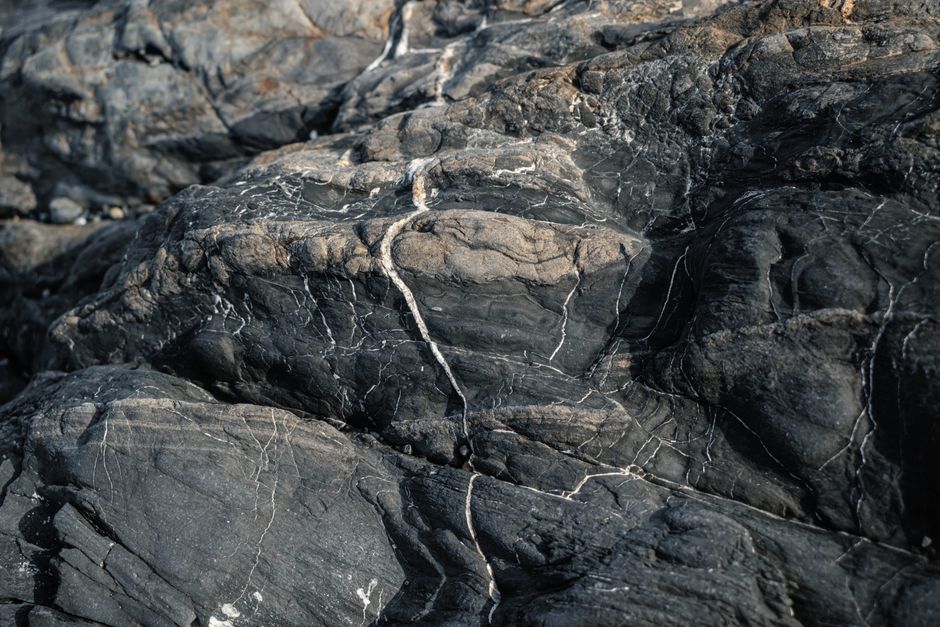
Photo by Karolina on Pexels
Metamorphic rocks form when existing rocks are changed by intense heat, pressure, or chemical reactions. This change doesn't melt the rock, but it transforms its minerals and texture.
* Heat from magma or deep burial.
* Pressure from overlying rocks or tectonic plate collisions.
* Chemical reactions with hot fluids.
* Examples include marble (from limestone) and slate (from shale).
The Cycle in Motion

Photo by Fernando Lucas on Pexels
The beauty of the rock cycle is that any rock type can transform into another.
graph TD
    A["Magma"] -->|Cooling & Solidification| B["Igneous Rock"]
    B -->|Weathering & Erosion| C["Sediments"]
    C -->|Compaction & Cementation| D["Sedimentary Rock"]
    D -->|Heat & Pressure| E["Metamorphic Rock"]
    E -->|Melting| A
    B -->|Heat & Pressure| E
    D -->|Weathering & Erosion| C
    E -->|Weathering & Erosion| C
Here's a breakdown of the transformations:
* Igneous to Sediments: Igneous rocks are exposed to the surface, weathered into fragments, and eroded.
* Sediments to Sedimentary Rock: Sediments are buried, compacted, and cemented together.
* Sedimentary to Metamorphic Rock: Sedimentary rocks get buried deeper or caught in plate collisions, experiencing heat and pressure.
* Metamorphic to Magma: Metamorphic rocks get buried even deeper, eventually melting into magma.
* Metamorphic to Sediments: Metamorphic rocks can also be uplifted, exposed, and weathered.
* Igneous to Metamorphic Rock: Igneous rocks can also be subjected to heat and pressure without first breaking down into sediments.
3. Worked Example
Imagine a piece of granite (an igneous rock) formed deep underground as magma slowly cooled. Over millions of years, tectonic forces uplift this granite, exposing it at the Earth's surface.
- Weathering and Erosion: Rain, wind, and ice break down the granite into sand and clay particles. Rivers then carry these sediments downstream.
- Deposition: The river slows down as it reaches a lake or ocean, depositing the sand and clay in layers on the bottom.
- Compaction and Cementation: More layers of sediment pile on top, pressing down on the older layers. Minerals dissolved in groundwater act as glue, cementing the sand particles together to form sandstone (a sedimentary rock).
- Metamorphism: Later, perhaps during a mountain-building event, the sandstone layers get buried deep under other rocks and are subjected to intense heat and pressure. The sand grains recrystallize and interlock, transforming the sandstone into quartzite (a metamorphic rock).
- Melting: If the quartzite is buried even deeper, it might eventually melt due to extreme heat, becoming magma again, restarting the cycle.
This example shows how one type of rock can naturally transform into another through the various stages of the rock cycle.
4. Key Takeaways
- The rock cycle involves the continuous transformation of rocks between igneous, sedimentary, and metamorphic types.
- Igneous rocks form from cooling magma or lava, with crystal size indicating cooling speed.
- Sedimentary rocks form from weathered sediments that are compacted and cemented together.
- Metamorphic rocks form when existing rocks are altered by heat, pressure, or chemical changes.
- Weathering and erosion are crucial external processes that break down and move rocks.
- Heat and pressure from within the Earth drive transformations to metamorphic and igneous rocks.
Common Mistakes to Avoid:
- Confusing magma (underground) with lava (surface).
- Thinking rocks only move in one direction through the cycle; they can take many paths.
- Forgetting that any rock type can become any other rock type under the right conditions.
- Believing the rock cycle happens quickly; it takes millions of years for significant transformations.
5. Now Try It
Find three common objects around your home or school that are made from rocks or rock materials (e.g., a countertop, a piece of concrete, a gemstone in jewelry). For each object, try to identify which type of rock (igneous, sedimentary, or metamorphic) it likely originated from. Then, describe one possible step that rock might have taken before or after its current form in the rock cycle. For example, if you find granite, think about what might happen to it next or how it formed. What success looks like: You'll be able to correctly identify the likely rock type for each object and explain one plausible rock cycle transformation for it.
Frequently asked about Earth and the Rock Cycle
More from science
Get the full science curriculum
Clone the complete plan to your dashboard for unlimited AI-generated notes, practice quizzes, and a personalised revision schedule.
Save this course free