English Language and Literature
From the class 10 ICSE curriculum
TL;DR
You'll focus on both the practical application of English grammar and writing skills, alongside understanding and analysing literary texts from prescribed anthologies. Mastering language involves consistent practice in composition and comprehension, while literature requires close reading and critical thinking about themes and characters. Success comes from a balanced approach, refining your expression and deepening your appreciation for stories and poetry.
1. The Mental Model
Think of English as two sides of the same coin: one side is about how you say things (Language), and the other is about what you say and understand from others (Literature). Both need regular practice and careful attention to detail.
2. The Core Material
Your ICSE Class 10 English course is split into two papers: Paper 1 (English Language) and Paper 2 (Literature in English).
English Language (Paper 1)
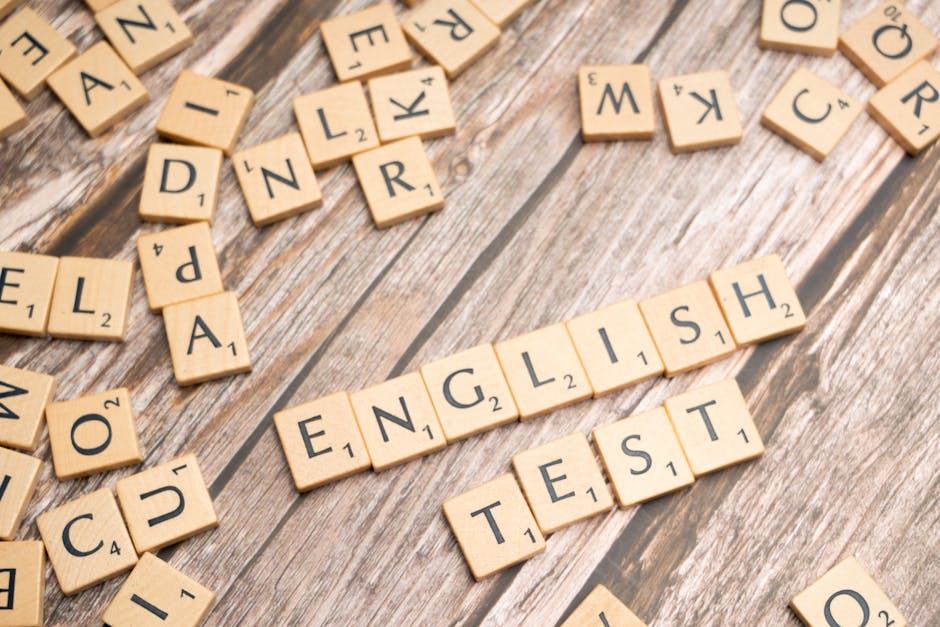
Photo by Markus Winkler on Pexels
This paper tests your ability to use English effectively and accurately. It's all about practical application.
2.1 Composition
You'll write an essay of about 300-350 words from a choice of topics. This tests your ability to organise thoughts, use appropriate vocabulary, and maintain grammatical accuracy.
- Tips:
- Choose wisely: Pick a topic you genuinely understand and have ideas for.
- Plan your essay: Before writing, create a quick outline (introduction, body paragraphs, conclusion). This ensures a logical flow.
- Vary your sentences: Mix simple, compound, and complex sentences to make your writing engaging.
- Use good vocabulary: Don't just use big words; use the right words.
2.2 Letter Writing / Notice & Email
You'll typically have to write either a formal or informal letter, or a notice along with an email. This tests your understanding of different formats and tones.
- Tips:
- Format is key: Memorise the correct format for each type of letter, notice, and email. Marks are often allocated for format.
- Purpose clarity: Be clear about the purpose of your communication.
- Conciseness: Get straight to the point, especially in formal communications.
2.3 Comprehension
You'll read an unseen passage and answer questions based on it. This evaluates your ability to understand information, infer meaning, and summarise.
- Tips:
- Read the passage twice: First, to get the general idea, then a second time, more slowly, noting key details.
- Underline keywords: As you read, highlight important names, dates, facts, and phrases.
- Answer in your own words: Unless asked to quote, rephrase the information concisely.
- Summarising: For the summary question, identify the main points of a specified paragraph or section and condense them into a single, concise paragraph, usually within a word limit.
2.4 Grammar
This section covers various grammatical structures and usage. Expect questions on:
- Prepositions: Choosing the correct preposition (e.g., "agree with" someone, "agree to" a proposal).
- Conjunctions: Joining sentences correctly (e.g., "neither...nor," "either...or," "not only...but also").
- Verb forms: Using the correct tense and form of verbs (e.g., "If I were a bird," "He has been studying for hours").
- Transformation of sentences: Rewriting sentences without changing their meaning (e.g., active/passive voice, direct/indirect speech, simple/compound/complex sentences).
- Phrasal verbs and Idioms: Understanding and using common phrasal verbs and idiomatic expressions.
Literature in English (Paper 2)

Photo by Suzy Hazelwood on Pexels
This paper focuses on your understanding and critical analysis of prescribed literary texts. You'll typically study poetry, short stories, and a play.
- Common Texts (often revised, check your syllabus):
- Prose: Treasure Chest (short stories)
- Poetry: Echoes (poems)
- Drama: The Merchant of Venice (Shakespeare) or Julius Caesar (Shakespeare) or another play.
2.5 Understanding Characters and Themes
For each story, poem, or play, you need to know:
* Plot: What happens? The sequence of events.
* Characters: Who are they? Their motivations, traits, development.
* Themes: What are the central ideas or messages? (e.g., love, loss, justice, ambition, societal issues).
* Setting: Where and when does it take place? How does it influence the story?
* Literary Devices: How does the author use language (e.g., metaphors, similes, imagery, symbolism, irony) to create meaning and impact?
Here's a diagram showing the approach to literary analysis:
graph TD
    A["Read Text Closely"] --> B["Identify Key Plot Points"]
    B --> C["Analyze Characters' Actions/Motives"]
    C --> D["Uncover Central Themes"]
    D --> E["Examine Literary Devices (Symbolism, Imagery, Metaphor)"]
    E --> F["Formulate Critical Interpretation"]
    F --> G["Support with Textual Evidence"]
- Tips:
- Read actively: Annotate your text (underline, make notes in margins).
- Discuss with peers: Hearing different interpretations can broaden your understanding.
- Practice essay writing: Learn to structure your literary essays with a clear thesis, supporting paragraphs with textual evidence, and a strong conclusion.
- Memorise quotes: Key quotes can significantly strengthen your answers, especially for drama and poetry.
3. Worked Example
Let's consider a common type of question for grammar: Sentence Transformation.
Original Sentence: "As soon as the bell rang, the students rushed out of the classroom."
Instructions: Rewrite the sentence beginning with "No sooner..."
Thinking Process:
1. Identify the structure: The original sentence shows an immediate sequence of two events.
2. Recall "No sooner...than" rule: This structure is used for immediate sequences and requires inversion after "No sooner." The first part uses past perfect tense, and the second part uses simple past tense.
3. Apply the rule:
* "No sooner" goes at the start.
* Then, we need the inverted auxiliary verb (had) for the past perfect.
* Then the subject ("the bell").
* Then the main verb in past participle ("rung").
* Then "than".
* Then the second part of the sentence ("the students rushed out of the classroom").
Transformed Sentence: "No sooner had the bell rung than the students rushed out of the classroom."
4. Key Takeaways
- Practice composition and comprehension regularly to improve your writing and understanding skills.
- Memorise and correctly apply the formats for letters, notices, and emails.
- Develop strong grammatical accuracy by practising various transformations and usages.
- For literature, read texts actively, annotating and identifying plot, characters, and themes.
- Support your literary analysis with specific textual evidence and relevant quotes.
- Manage your time effectively in exams, allocating sufficient time for both language and literature papers.
- Review your answers for spelling, grammar, and punctuation before submitting.
Common Mistakes to Avoid:
- Not planning your essays, leading to disorganised writing.
- Ignoring format rules for letters and notices, which costs easy marks.
- Answering comprehension questions by copying directly from the passage instead of rephrasing.
- Not providing enough textual evidence or quotes in literature answers.
- Misunderstanding literary devices or applying them incorrectly.
5. Now Try It
Spend 15 minutes on this:
1. Write a formal letter to the Principal of your school requesting leave for three days due to a family wedding. Remember to use the correct formal letter format, appropriate tone, and clear reasons.
2. Read any short story from your Treasure Chest anthology. Then, write down three key character traits of the protagonist and two main themes explored in the story, supported by a short phrase or example from the text for each.
Success looks like: A correctly formatted formal letter with clear language, and a concise summary of character traits and themes for the story, showing you've grasped both language application and literary analysis.
Frequently asked about English Language and Literature
Study this next
Get the full class 10 ICSE curriculum
Clone the complete plan to your dashboard for unlimited AI-generated notes, practice quizzes, and a personalised revision schedule.
Save this course free