Societal and Ethical Implications of ICT
From the Computer Application Technology curriculum
TL;DR
ICT (Information and Communication Technology) profoundly impacts society, bringing both incredible benefits and serious challenges. Understanding these implications helps us use technology responsibly and ethically. We need to consider how ICT affects privacy, equality, and our overall well-being.
1. The Mental Model
Think of ICT as a powerful tool – like a hammer. It can build amazing things, but it can also cause damage if used carelessly or maliciously. We're learning how to wield this tool wisely.
2. The Core Material
ICT is everywhere, shaping how we work, learn, communicate, and entertain ourselves. Because it's so integrated into our lives, it raises important questions about how we should use it and the consequences of that use.
2.1 Privacy and Data Protection

Photo by Miguel Á. Padriñán on Pexels
Every time you use a smartphone, browse the internet, or interact with a smart device, you're generating data. This data can include your location, browsing history, personal preferences, and even health information.
- Privacy means your right to control who has access to your personal information and how it's used.
- Data protection involves the laws, rules, and technical measures put in place to safeguard this data.
Why it matters: Companies use your data to personalize ads, improve services, or even predict your behaviour. Governments might use it for security or surveillance. Without strong protection, this data can be misused, leading to identity theft, discrimination, or a loss of personal freedom. Laws like the General Data Protection Regulation (GDPR) in Europe aim to give individuals more control over their data.
2.2 Digital Divide

Photo by El Jundi on Pexels
The digital divide refers to the gap between those who have access to ICT and those who don't. This isn't just about having a computer; it's also about internet access, the skills to use technology effectively, and the ability to afford necessary devices and services.
Causes:
* Economic factors: Cost of devices, internet subscriptions.
* Geographic factors: Lack of infrastructure in rural or remote areas.
* Social factors: Lack of education, disabilities, language barriers.
Impact: People on the wrong side of the digital divide are excluded from opportunities like online learning, remote work, e-health services, and civic participation, widening existing social and economic inequalities.
2.3 Cybersecurity and Cybercrime
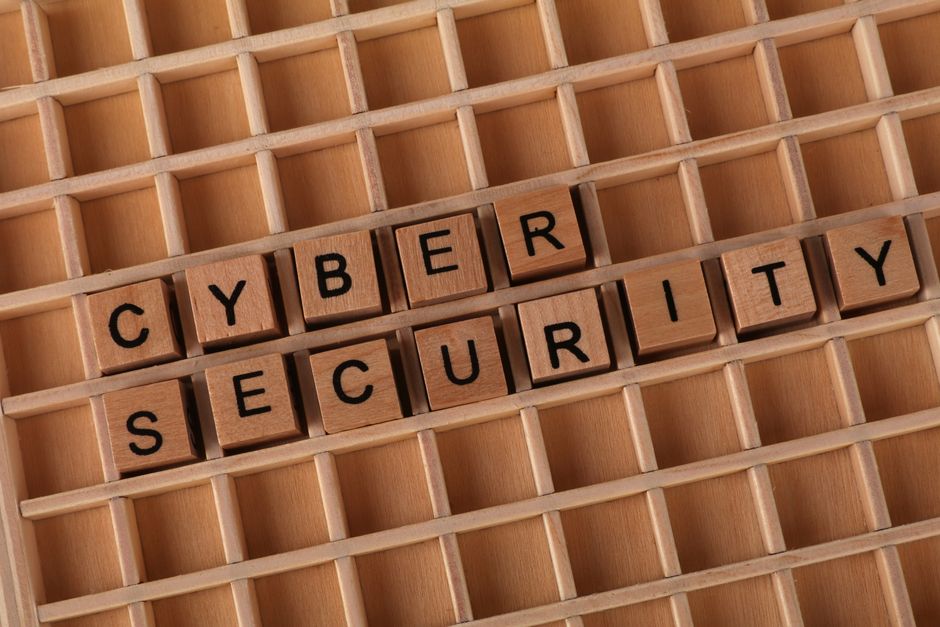
Photo by Ann H on Pexels
As we rely more on ICT, the risk of cyber threats increases.
* Cybersecurity refers to the practices and technologies designed to protect computer systems and networks from digital attacks.
* Cybercrime is any criminal activity that involves computers or networks, such as hacking, phishing, ransomware, and online fraud.
Why it's crucial: A breach in cybersecurity can lead to financial loss, theft of sensitive information, disruption of essential services (like power grids or hospitals), and damage to reputations. Protecting your data and systems is no longer just an IT issue; it's a societal one.
2.4 Automation, AI, and Employment

Photo by Magda Ehlers on Pexels
Artificial Intelligence (AI) and automation are rapidly changing the world of work.
* Automation uses technology to perform tasks that were previously done by humans.
* AI allows machines to perform tasks that typically require human intelligence, like learning, problem-solving, and decision-making.
Implications:
* Job displacement: Some jobs, especially routine or repetitive ones, might be replaced by machines.
* New job creation: AI also creates new jobs in areas like AI development, maintenance, and oversight.
* Skills gap: There's a growing need for workers with digital skills and critical thinking to work alongside AI.
We need to consider how to manage this transition fairly, ensuring people have opportunities to reskill and adapt.
2.5 Intellectual Property and Copyright
When you create something – a song, a book, a photo, software code – you own the intellectual property (IP).
* Copyright is a legal right that protects original works of authorship, giving the creator exclusive rights to reproduce, distribute, and display their work.
ICT's impact: Digital content is easy to copy and share, making IP protection challenging.
* Piracy: Illegal copying and distribution of copyrighted material.
* Creative Commons: Alternative licenses that allow creators to specify how others can use their work, offering more flexibility than traditional copyright.
It's important to respect creators' rights and understand the rules around using digital content.
Here's a diagram showing the cause-and-effect relationship for some of these issues:
graph TD
    A["Increased ICT Adoption"] --> B["More Data Generated"]
    A --> C["Increased Online Activity"]
    A --> D["Automation & AI Growth"]

    B --> E["Privacy & Data Security Risks"]
    C --> F["Cybersecurity Threats"]
    C --> G["Potential for Digital Divide"]

    D --> H["Job Market Transformation"]
    D --> I["Ethical AI Considerations"]

    E --> J["Demand for Data Protection Laws"]
    F --> K["Need for Stronger Cybersecurity"]
    G --> L["Efforts to Bridge the Divide"]

    H --> M["Demand for Reskilling/Upskilling"]
    I --> N["AI Regulation Debates"]
3. Worked Example
Let's consider a practical scenario: online learning.
During school closures, many schools shifted to online learning platforms. This highlighted several societal and ethical implications:
- Digital Divide: Some students didn't have a reliable internet connection or a suitable device (laptop/tablet) at home. They were immediately disadvantaged compared to peers with good access, unable to attend virtual classes or complete assignments.
- Privacy Concerns: The online learning platforms collected data on student attendance, performance, and sometimes even their screen activity. Questions arose about who owned this data, how it was stored, and whether it could be shared with third parties, raising concerns about student privacy.
- Cybersecurity Risks: Schools had to ensure the platforms were secure from hackers who might try to access student information or disrupt online classes. Phishing attempts targeting students or teachers also became a risk.
- Teacher Training: Teachers, previously used to in-person teaching, needed to quickly adapt and learn new digital tools, highlighting the need for continuous skill development in the face of technological shifts.
This single shift to online learning demonstrates how interconnected these issues are and why understanding them is crucial.
4. Key Takeaways
- ICT's reach is immense, affecting nearly every aspect of modern life.
- Protecting your personal data and understanding privacy policies is crucial in a data-driven world.
- The digital divide creates new inequalities, making access to technology a social justice issue.
- Cybersecurity is essential for protecting individuals, businesses, and critical infrastructure from attacks.
- AI and automation are changing jobs, requiring us to adapt skills and consider their ethical deployment.
- Respecting intellectual property and understanding copyright are vital in the digital age.
Common Mistakes to Avoid:
- Assuming your online activity is completely private; always be mindful of what you share.
- Ignoring software updates; they often contain critical security fixes.
- Believing cybercrime only happens to others; everyone is a potential target.
- Not questioning the source of online information; always check for credibility.
- Underestimating the time and resources needed to adapt to new technologies.
5. Now Try It
For the next 15 minutes, imagine your school is considering implementing a new facial recognition system at the entrance to track attendance.
What to do:
1. List at least two potential benefits of this system for the school.
2. List at least three specific societal/ethical implications (from the sections above) that this system might raise for students and staff.
3. Suggest one practical measure the school could take to address each of your identified implications.
What success looks like: You've identified a mix of potential benefits and clear ethical concerns (e.g., privacy, data security) and proposed thoughtful, practical solutions for each concern.
Frequently asked about Societal and Ethical Implications of ICT
More from Computer Application Technology
Get the full Computer Application Technology curriculum
Clone the complete plan to your dashboard for unlimited AI-generated notes, practice quizzes, and a personalised revision schedule.
Save this course free