Translating Internal States into Material Forms
From the Art and Design curriculum
TL;DR
This annotated bibliography explores how artists transform personal emotions and ideas into tangible artworks. You'll see how various theories and practices help bridge the gap between subjective experience and objective material form. We'll examine key texts that illuminate this fascinating creative process.
1. The Mental Model
Think of your internal world (thoughts, feelings, memories) as a fluid, intangible space. Translating this into a material form means solidifying that fluidity, giving it a physical presence that others can perceive and you can interact with. It's about finding the right 'container' or 'language' in art materials to express what's inside.
2. The Core Material
Here's an annotated bibliography focusing on key texts and ideas relevant to translating internal states into material forms. Each entry highlights a different facet of this complex process.
1. Kandinsky, Wassily. Concerning the Spiritual in Art. Dover Publications, 1977 (orig. 1911).
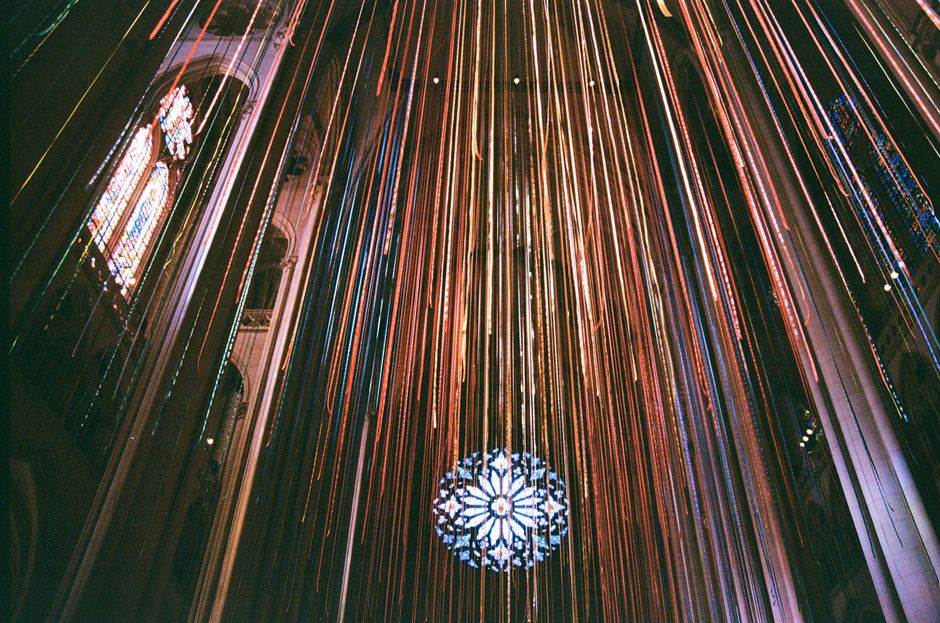
Photo by Ben Jackson on Pexels
- Annotation: Kandinsky's seminal work argues for art's spiritual dimension, asserting that true art originates from an "inner necessity." He believed colors and forms possess inherent spiritual vibrations that can directly affect the viewer's soul, mirroring the artist's own internal state. For you, this means considering how your chosen materials and their inherent qualities (color, texture, line) can be a direct language for your emotions, rather than merely representational tools. He suggests looking inward to find the 'right' material expression.
2. Jung, Carl G. Man and His Symbols. Dell Publishing, 1968.

Photo by Marcello Sokal on Pexels
- Annotation: Jungian psychology introduces the concepts of the personal and collective unconscious, and archetypes. These deep, universal patterns manifest in dreams, myths, and art. When you're trying to express a profound internal state, you might be tapping into these shared human experiences. The material forms you choose could then become symbols that resonate not just with your personal experience, but also with a broader, collective understanding. Think about how certain shapes, colors, or images might carry universal symbolic weight.
3. Merleau-Ponty, Maurice. Phenomenology of Perception. Routledge, 2012 (orig. 1945).
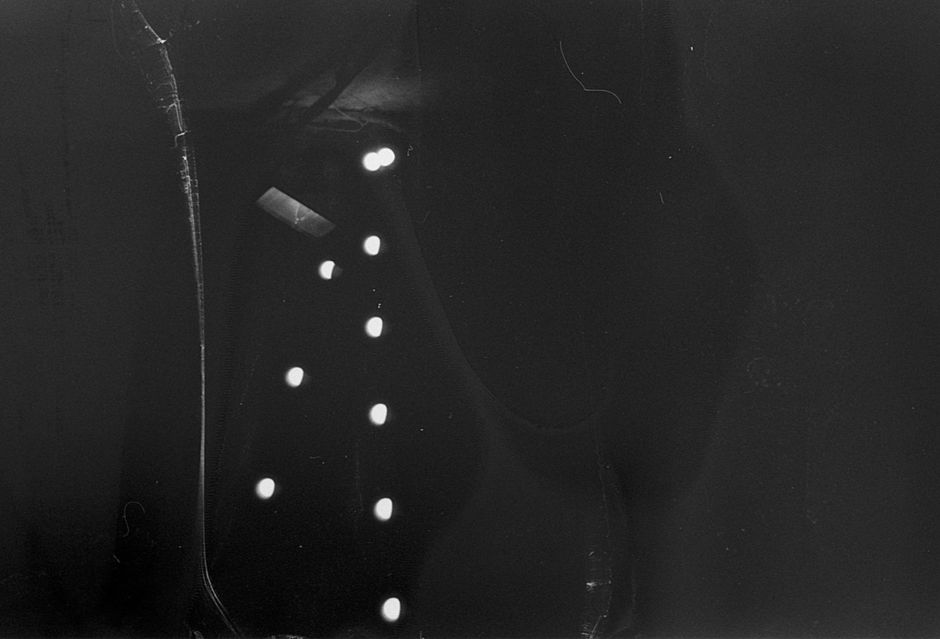
Photo by Joana Miriam on Pexels
- Annotation: Merleau-Ponty emphasizes the embodied nature of perception and consciousness. He argues that our experience of the world isn't separate from our physical bodies; we perceive through our bodies. For your art practice, this means acknowledging that the process of making – the physical interaction with materials – is itself a form of expression. Your internal state isn't just 'translated' but actively formed through the haptic, tactile, and kinesthetic engagement with your medium. The act of shaping clay, brushing paint, or cutting fabric is integral to expressing your inner world.
4. Bourdieu, Pierre. Outline of a Theory of Practice. Cambridge University Press, 1977.

Photo by Yan Krukau on Pexels
- Annotation: Bourdieu's concept of habitus – a system of dispositions generating perceptions, thoughts, and actions – is incredibly relevant. Your background, training, and repeated artistic practices form your artistic habitus. This influences not only what you choose to express but also how you express it materially. Your unconscious artistic 'moves' with certain materials are shaped by your past experiences, and these moves, in turn, embody your internal state. It's about how your body 'knows' how to make, guided by your inner world.
5. Gablik, Suzi. Has Modernism Failed?. Thames and Hudson, 1984.
- Annotation: While critical of certain aspects of modernism, Gablik implicitly highlights the drive to express internal states as a core human artistic impulse. Her work encourages a critical reflection on how art functions in society and its capacity to convey meaning beyond purely aesthetic concerns. For you, this means considering the purpose behind your translation. Is it for self-discovery, communication, or to evoke a specific feeling in the viewer? The intention shapes the material outcome.
Here's a diagram showing the flow:
graph TD
    A["Internal State (Emotion, Idea, Memory)"] --> B["Intention & Conceptualization"]
    B --> C["Material & Process Selection"]
    C --> D{"Embodied Making (Haptic & Kinesthetic)"}
    D --> E["Material Form (Artwork)"]
    E --> F["Viewer Perception & Interpretation"]
    F --> A;
Understanding the Flow:
The diagram illustrates how an Internal State first gets processed through your Intention & Conceptualization. This leads to selecting appropriate Material & Process, which then involves Embodied Making (the physical act of creation). The result is the Material Form (your artwork), which then impacts the Viewer Perception & Interpretation, potentially resonating with their own internal states and even influencing your future internal states or conceptualizations.
3. Worked Example
Let's say you're feeling a deep sense of fragmented grief after a loss.
- Internal State: Fragmented grief – a mix of sharp pains, dull aches, moments of emptiness, and blurred memories.
- Kandinsky's 'Inner Necessity': You feel a strong pull to express this, not just to represent grief, but to evoke its raw sensation. You choose torn paper and collage because of the inherent 'fragmentation' and the sharp, irregular edges. Dark, muted colors (grays, deep blues) come to mind.
- Jungian Symbolism: The fragmented pieces, once separate, are pieced together imperfectly, symbolizing the attempt to rebuild, but with visible cracks – a universal symbol of brokenness and mending.
- Merleau-Ponty's Embodied Making: The act of tearing the paper is cathartic, almost violent, embodying the pain. The precise, yet shaky, application of adhesive, the careful layering, then the deliberate leaving of gaps – these physical actions are directly tied to the internal struggle of piecing life back together. Your hands physically express the tension and fragility.
- Bourdieu's Habitus: Your prior experience with collage might lead you to instinctively choose certain adhesives or tearing techniques, drawing on your ingrained artistic skills to translate this raw emotion efficiently.
The final collage, with its uneven edges, visible glue marks, and disjointed imagery, becomes the material manifestation of that fragmented grief, resonating with viewers who might recognize a similar feeling.
4. Key Takeaways
- Your internal states are the fundamental wellspring for meaningful artistic expression.
- Materials aren't just tools; they're a language that can directly convey emotion and ideas.
- The physical act of making is a crucial part of translating internal states, not just a technical step.
- Consider both personal and universal symbolic meanings in your material choices.
- Your artistic history and learned practices (habitus) influence how you translate internal states.
Common Mistakes to Avoid:
- Overthinking and intellectualizing too much: Sometimes, letting your hands guide you intuitively is more effective than strictly planning every material choice.
- Focusing only on literal representation: Aim for evoking the feeling of an internal state rather than just showing an image of it.
- Ignoring the inherent qualities of your materials: Don't force a material to do something it resists; let its properties inform your expression.
- Dismissing the physical process of making: The embodied experience of creation is key to authentic translation.
5. Now Try It
For your next artwork, pick one specific, strong internal state you're feeling right now (e.g., peace, frustration, excitement, melancholy). Instead of drawing or painting an object that represents it, focus purely on how to express the essence of that feeling using only abstract forms, colors, and textures in a material of your choice (e.g., clay, fabric scraps, collage). Think about Kandinsky's 'inner necessity' and Merleau-Ponty's embodied making. Success will be when you feel the resulting piece embodies that emotion, even if it's not immediately recognizable to others as a specific scene or object.
Frequently asked about Translating Internal States into Material Forms
Study this next
Get the full Art and Design curriculum
Clone the complete plan to your dashboard for unlimited AI-generated notes, practice quizzes, and a personalised revision schedule.
Save this course free