Introduction to Biopsychology: Nature, Scope, and Applications
From the Biopsychology curriculum
TL;DR
Biopsychology explores how our biology, especially the brain, influences our thoughts, feelings, and behaviors. It bridges the gap between psychology and biology, offering insights into conditions and enhancing our understanding of human experience. This field uses various research methods to investigate the brain-behavior relationship.
1. The Mental Model
Imagine your brain as the ultimate control center, orchestrating everything you do, think, and feel. Biopsychology is the study of how this control center, and the rest of your nervous system, produces your psychological experiences. It's about understanding the "why" behind behavior from a biological perspective.
2. The Core Material
Biopsychology, also known as biological psychology or psychobiology, is a fascinating interdisciplinary field. It combines the study of biology (especially neuroscience) with psychology to understand how the brain, neurotransmitters, hormones, and genetics influence our behavior, emotions, and cognitive processes. Essentially, it's about seeing the biological roots of psychological phenomena.
Nature of Biopsychology
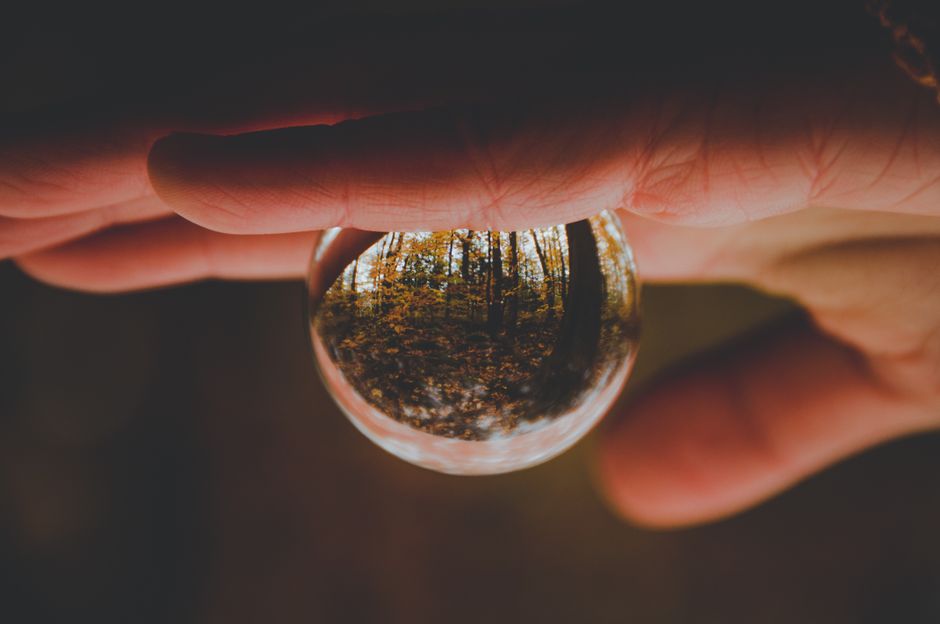
Photo by Manfred Legasto Francisco on Pexels
The core nature of biopsychology is its commitment to understanding the biological underpinnings of behavior. It posits that all psychological processes – from learning and memory to emotions and mental disorders – have a biological basis. This doesn't mean it's solely biological; it's about the interaction between our biology and our environment.
Scope of Biopsychology

Photo by Gustavo Fring on Pexels
The scope of biopsychology is incredibly broad, encompassing many different areas of study:
- Sensory and Motor Systems: How our senses work and how we control our movements.
- Motivation and Emotion: The biological mechanisms behind hunger, thirst, sex drive, fear, and joy.
- Learning and Memory: How the brain acquires, stores, and retrieves information.
- Sleep and Circadian Rhythms: The biological clocks that regulate our sleep-wake cycles.
- Language: The brain regions involved in producing and understanding speech.
- Psychological Disorders: The biological causes and treatments of conditions like depression, anxiety, schizophrenia, and addiction.
Applications of Biopsychology

Photo by Pixabay on Pexels
The insights gained from biopsychology have significant practical applications:
- Understanding and Treating Mental Disorders: Developing new medications and therapies based on understanding neurochemical imbalances or brain structural differences.
- Improving Cognitive Function: Researching ways to enhance memory, attention, and learning, for instance, in educational settings or for age-related cognitive decline.
- Drug Development: Identifying brain targets for new pharmaceutical interventions for various conditions.
- Neurological Rehabilitation: Designing therapies for individuals recovering from brain injuries or strokes.
- Lifestyle Interventions: Understanding how diet, exercise, and stress impact brain health and psychological well-being.
Here's a simplified view of how biopsychology connects different fields:
graph TD
    A["Biology (Neuroscience, Genetics)"] --> B["Biopsychology"]
    C["Psychology (Cognition, Emotion, Behavior)"] --> B
    B --> D["Understanding Brain-Behavior Link"]
    D --> E["Applications (e.g., Clinical, Pharma)"]
Research Methods in Biopsychology

Photo by Markus Winkler on Pexels
Biopsychologists use a variety of methods to study the brain and behavior:
- Lesion Studies: Examining behavioral changes after damage to specific brain regions (naturally occurring or experimentally induced in animals).
- Brain Imaging Techniques:
- fMRI (functional Magnetic Resonance Imaging): Measures changes in blood flow to detect brain activity.
- EEG (Electroencephalography): Records electrical activity on the scalp, useful for timing of brain events.
- PET (Positron Emission Tomography): Uses radioactive tracers to observe metabolic processes in the brain.
- Electrophysiological Recording: Measuring electrical activity of individual neurons or groups of neurons.
- Pharmacological Studies: Administering drugs to observe their effects on behavior and brain function.
- Genetic Studies: Investigating the role of genes in predispositions to certain behaviors or disorders.
- Behavioral Tests: Standardized tasks to measure cognitive abilities, emotional responses, or motor skills.
3. Worked Example
Let's consider depression. From a purely psychological perspective, we might focus on early life experiences, negative thought patterns, or social stressors. A biopsychological approach, however, would delve deeper.
A biopsychologist would investigate:
1. Neurotransmitter levels: Is there an imbalance in serotonin, norepinephrine, or dopamine, which are key in mood regulation?
2. Brain structure and function: Are certain brain regions, like the prefrontal cortex (involved in decision-making and mood) or the amygdala (involved in emotion), showing altered activity or connectivity? fMRI scans often show reduced activity in certain areas of the prefrontal cortex in depressed individuals.
3. Genetics: Are there specific genes that increase a person's vulnerability to depression?
4. Hormones: Is there a dysregulation in the stress hormone cortisol, which can impact brain function over time?
By understanding these biological factors, biopsychology helps explain why certain psychological symptoms manifest and guides the development of treatments like antidepressant medications that target specific neurotransmitter systems.
4. Key Takeaways
- Biopsychology is the study of how biological processes, especially brain function, influence behavior and mental processes.
- Its scope is vast, covering everything from sensation and movement to emotions, learning, and mental disorders.
- Applications include developing treatments for neurological and psychological conditions, and improving cognitive function.
- Biopsychology emphasizes the interaction between biology and environment in shaping our experiences.
- A range of research methods, including imaging and genetic studies, are used to investigate the brain-behavior link.
Common Mistakes to Avoid:
- Don't assume biopsychology is only about biology; it's about the interaction with psychology.
- Avoid oversimplifying complex brain functions to a single chemical or region; the brain works as a highly interconnected system.
- Don't confuse correlational findings (e.g., lower serotonin linked to depression) with causation without further evidence.
- Don't forget the ethical considerations inherent in animal and human research in this field.
5. Now Try It
Spend 15 minutes thinking about a specific human behavior or psychological experience (e.g., falling in love, fear of heights, excellent memory). For this chosen behavior, briefly outline at least two distinct biological factors that a biopsychologist might investigate to understand it better, and explain why they would investigate those particular factors. Success looks like clearly identifying the behavior and providing a plausible biological reason for exploring those two factors.
Frequently asked about Introduction to Biopsychology: Nature, Scope, and Applications
Study this next
Get the full Biopsychology curriculum
Clone the complete plan to your dashboard for unlimited AI-generated notes, practice quizzes, and a personalised revision schedule.
Save this course free