IGCSE Biology: Human Biology — Nutrition, Transport, Respiration, Reproduction
From the IGCSE Prep curriculum
TL;DR
Humans need specific nutrients for energy and growth, which are transported around the body by the circulatory system to fuel cellular respiration. We use respiration to release energy from food, and the continuity of life is ensured through reproduction. These systems are all interconnected, working together to maintain life.
1. The Mental Model
Think of your body as a super-efficient city. Nutrition provides the resources, transport is the road network, respiration is the power plant making energy from those resources, and reproduction builds new citizens to keep the city going.
2. The Core Material
Nutrition: Fueling Your Body

Photo by Moe Magners on Pexels
Nutrition is all about getting the right food to provide energy and raw materials for growth and repair. You need a balanced diet that includes:
* Carbohydrates: Primary energy source (e.g., bread, pasta).
* Fats: Energy store, insulation, protective layer for organs (e.g., butter, oils).
* Proteins: Growth and repair of tissues, enzymes (e.g., meat, beans).
* Vitamins: Small amounts needed for various bodily functions (e.g., Vitamin C for immunity).
* Minerals: Small amounts needed for various bodily functions (e.g., Iron for blood).
* Fibre: Helps digestion, prevents constipation (e.g., fruits, vegetables).
* Water: Essential for all bodily processes, solvent (e.g., drinking water).
Digestion breaks down large, insoluble food molecules into small, soluble ones that can be absorbed into the blood.
Transport: The Body's Road Network
Photo by Erik Mclean on Pexels
The circulatory system is your body's transport network, moving substances to and from cells. It consists of:
* Heart: A muscular pump that pushes blood around the body.
* Blood vessels:
* Arteries: Carry oxygenated blood away from the heart (except pulmonary artery). They have thick, muscular walls.
* Veins: Carry deoxygenated blood towards the heart (except pulmonary vein). They have thinner walls and valves to prevent backflow.
* Capillaries: Tiny, thin-walled vessels where exchange of substances (oxygen, nutrients, waste) occurs between blood and cells.
* Blood: A liquid tissue made of:
* Red blood cells: Transport oxygen (contain haemoglobin).
* White blood cells: Involved in immunity, fighting infection.
* Platelets: Involved in blood clotting.
* Plasma: Liquid part that transports everything else (nutrients, hormones, waste).
Here's how blood flows through the main circuit:
graph TD
    A["Deoxygenated Blood (Body)"] --> B["Right Atrium"]
    B --> C["Right Ventricle"]
    C --> D["Pulmonary Artery"]
    D --> E["Lungs"]
    E --> F["Pulmonary Vein (Oxygenated)"]
    F --> G["Left Atrium"]
    G --> H["Left Ventricle"]
    H --> I["Aorta (Oxygenated Blood)"]
    I --> A
Respiration: Releasing Energy
Photo by Pixabay on Pexels
Respiration is the chemical process that releases energy from food, mainly glucose. There are two types:
* Aerobic Respiration: Occurs with oxygen. This is the most efficient way to release energy.
* Glucose + Oxygen → Carbon Dioxide + Water + Large Amount of Energy
* It happens mainly in the mitochondria of your cells.
* Anaerobic Respiration: Occurs without oxygen. This releases much less energy and produces lactic acid.
* Glucose → Lactic Acid + Small Amount of Energy
* This happens during intense exercise when oxygen supply can't keep up with demand. Lactic acid buildup causes muscle fatigue.
Reproduction: Ensuring Life Continues
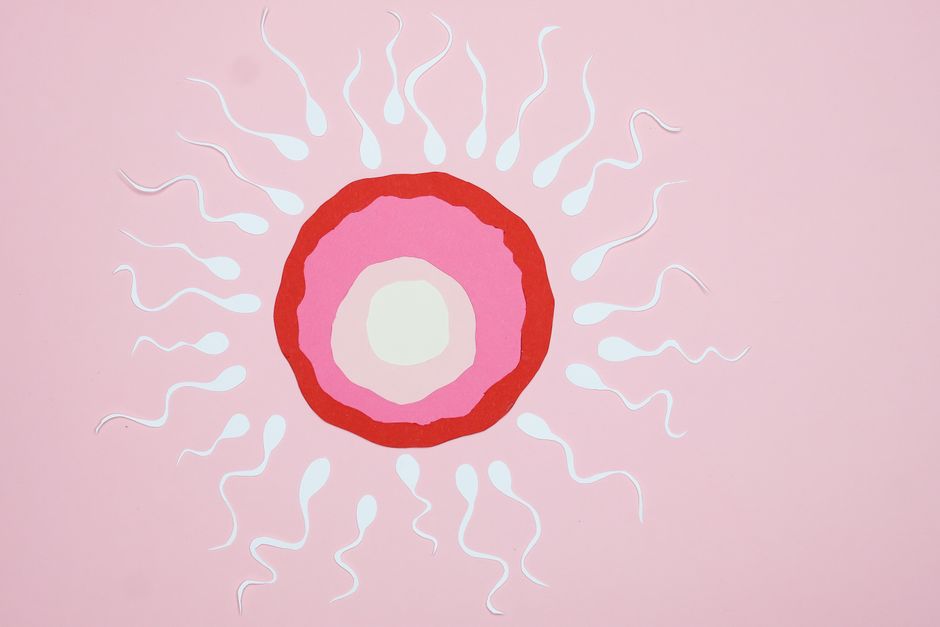
Photo by Nadezhda Moryak on Pexels
Reproduction is the process by which living organisms produce offspring.
* Sexual Reproduction: Involves the fusion of two gametes (sex cells), one from each parent, producing offspring that are genetically different from the parents.
* Male Reproductive System: Produces sperm (male gametes) in the testes.
* Female Reproductive System: Produces eggs (female gametes) in the ovaries.
* Fertilisation: The fusion of sperm and egg, usually in the oviduct.
* Implantation: The fertilised egg (zygote) develops into an embryo and implants in the uterus wall.
* Development: The embryo grows in the uterus, nourished via the placenta, until birth.
3. Worked Example
Imagine you've just eaten a sandwich (carbohydrates and protein).
1. Digestion: The carbohydrates are broken down into glucose in your digestive system, and proteins into amino acids.
2. Absorption & Transport: Glucose and amino acids are absorbed into your bloodstream (capillaries in the small intestine). Your heart pumps this blood, and arteries carry it to various cells in your body.
3. Respiration: Inside your muscle cells, glucose (delivered by blood) and oxygen (carried by red blood cells from the lungs) undergo aerobic respiration in the mitochondria. This releases a large amount of energy that your muscles use to move. Carbon dioxide and water are produced as waste, which are then transported by the blood back to the lungs (CO2) or kidneys (water) for excretion.
4. Growth/Repair: The amino acids are also delivered to cells by the blood and are used to build new proteins for muscle repair after exercise, demonstrating nutrition and transport supporting growth.
4. Key Takeaways
- A balanced diet provides essential nutrients for energy, growth, and repair.
- The circulatory system efficiently transports oxygen, nutrients, hormones, and waste throughout the body.
- Aerobic respiration releases a large amount of energy using oxygen, while anaerobic respiration releases less energy without oxygen, producing lactic acid.
- Sexual reproduction involves the fusion of male and female gametes, leading to genetically varied offspring.
- All these systems are interdependent; for example, the transport system delivers nutrients and oxygen for respiration.
Common mistakes to avoid:
- Confusing digestion (breaking down food) with respiration (releasing energy from food).
- Mixing up arteries (away from heart, mostly oxygenated) and veins (towards heart, mostly deoxygenated).
- Forgetting that all living things respire to release energy, not just animals.
- Thinking that reproduction is essential for an individual's survival, rather than for the survival of the species.
5. Now Try It
List the main organs involved in digestion, transport, respiration, and reproduction. For each organ, describe its primary function and how it interacts with at least one other system covered in this note. For example, the small intestine (digestion) absorbs nutrients that are then transported by the circulatory system. What success looks like: You should have a clear, concise description for at least two organs per system, highlighting the interconnectedness of these vital biological processes.
Frequently asked about IGCSE Biology: Human Biology — Nutrition, Transport, Respiration, Reproduction
More from IGCSE Prep
Get the full IGCSE Prep curriculum
Clone the complete plan to your dashboard for unlimited AI-generated notes, practice quizzes, and a personalised revision schedule.
Save this course free