Redox Reactions and Electrochemistry Fundamentals
From the Got it — only names: *2. Solutions* *3. Ionic Equilibria* *5. Electrochemistry* *6. Chemical Kinetics* curriculum
TL;DR
Redox reactions involve the transfer of electrons, where one species is oxidized (loses electrons) and another is reduced (gains electrons). Electrochemistry studies these reactions when they produce or consume electrical energy, often in electrochemical cells. Understanding oxidation states and half-reactions is key to balancing redox equations and predicting cell behavior.
1. The Mental Model
Imagine electrons as tiny "hot potatoes" being passed between atoms. When an atom gives away its potato, it's oxidized; when it catches one, it's reduced. Electrochemistry is all about harnessing this potato-passing game to do useful work, like powering a device, or making it happen using electricity.
2. The Core Material
Redox is short for reduction-oxidation. These two processes always happen together: if something loses electrons (oxidized), something else must gain those electrons (reduced).
Oxidation and Reduction Defined
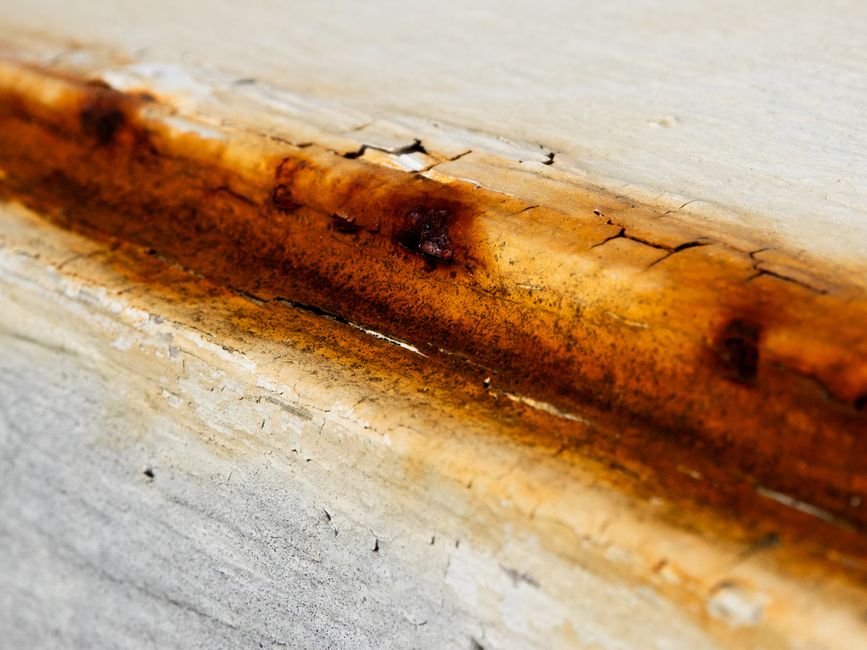
Photo by Lara Burley on Pexels
- Oxidation: Loss of electrons (LEO - Lose Electrons, Oxidation). The oxidation number increases.
- Reduction: Gain of electrons (GER - Gain Electrons, Reduction). The oxidation number decreases.
The species that causes oxidation (by being reduced) is the oxidizing agent. The species that causes reduction (by being oxidized) is the reducing agent.
Assigning Oxidation Numbers

Photo by Brett Sayles on Pexels
Oxidation numbers are a way to keep track of electron transfer. Here are the main rules:
1. An element in its pure state (e.g., O₂, Fe, H₂) has an oxidation number of 0.
2. Monatomic ions have an oxidation number equal to their charge (e.g., Na⁺ is +1, Cl⁻ is -1).
3. Fluorine is always -1.
4. Oxygen is usually -2 (except in peroxides like H₂O₂, where it's -1).
5. Hydrogen is usually +1 (except when bonded to metals, like NaH, where it's -1).
6. The sum of oxidation numbers in a neutral compound is 0.
7. The sum of oxidation numbers in a polyatomic ion equals the ion's charge.
Balancing Redox Reactions (Half-Reaction Method)
Photo by Vitaly Gariev on Pexels
This method separates the overall reaction into an oxidation half-reaction and a reduction half-reaction.
Steps (in acidic solution):
1. Separate into two half-reactions.
2. Balance atoms other than O and H.
3. Balance O atoms by adding H₂O.
4. Balance H atoms by adding H⁺.
5. Balance charge by adding electrons (e⁻).
6. Multiply half-reactions by integers so electrons lost = electrons gained.
7. Add the balanced half-reactions and simplify.
For basic solutions: Do steps 1-5 for acidic solution, then add OH⁻ to both sides to neutralize H⁺ (H⁺ + OH⁻ → H₂O). Simplify any H₂O molecules.
Electrochemical Cells
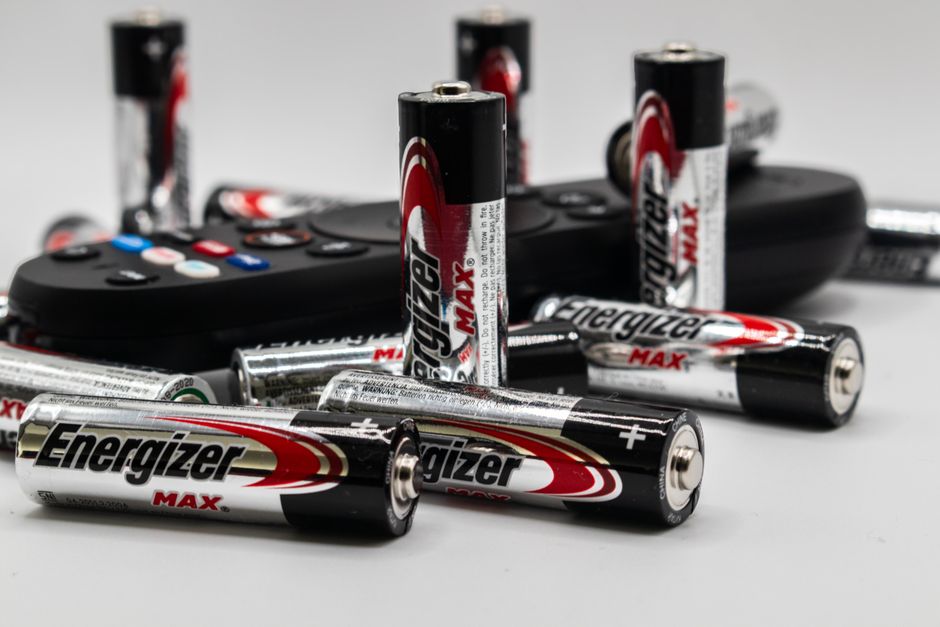
Photo by Terrance Barksdale on Pexels
These are devices where redox reactions occur.
* Voltaic (Galvanic) Cells: Spontaneous redox reactions generate electrical energy.
* Anode: Electrode where oxidation occurs (negative terminal).
* Cathode: Electrode where reduction occurs (positive terminal).
* Electrons flow from anode to cathode through an external circuit.
* A salt bridge maintains charge neutrality by allowing ion flow.
* Electrolytic Cells: Non-spontaneous redox reactions are driven by an external power source (consume electrical energy).
* Anode: Electrode where oxidation occurs (positive terminal, connected to positive of power supply).
* Cathode: Electrode where reduction occurs (negative terminal, connected to negative of power supply).
Here's a simple flow for how a voltaic cell works:
graph TD
    A["Anode (Oxidation)"] --> B{"Electrons Flow"}
    B --> C["Cathode (Reduction)"]
    C --> D{"Ions Flow (Salt Bridge)"}
    D --> A
    B -- External Circuit --> C
3. Worked Example
Let's find the oxidation numbers for each atom in potassium permanganate, KMnO₄.
- We know K is an alkali metal, so its oxidation number is +1.
- Oxygen usually has an oxidation number of -2.
- Let the oxidation number of Mn be x.
- The compound is neutral, so the sum of oxidation numbers is 0.
Equation: (+1) + x + (4 * -2) = 0
Simplify: 1 + x - 8 = 0
Solve for x: x - 7 = 0
So, x = +7.
Therefore, the oxidation numbers are: K = +1, Mn = +7, O = -2.
4. Key Takeaways
- Redox reactions are fundamental processes involving electron transfer.
- Oxidation is losing electrons (oxidation number increases); reduction is gaining electrons (oxidation number decreases).
- Oxidation numbers help track electron shifts and balance redox equations.
- Balancing redox reactions requires ensuring both mass and charge are conserved.
- Voltaic cells use spontaneous redox reactions to produce electricity, while electrolytic cells use electricity to drive non-spontaneous reactions.
- In all electrochemical cells, oxidation happens at the anode and reduction at the cathode.
Common Mistakes to Avoid:
- Confusing oxidation with reduction (LEO vs. GER).
- Incorrectly assigning oxidation numbers, especially for common elements like O and H.
- Forgetting to balance charge when balancing half-reactions (this is where electrons come in!).
- Omitting the salt bridge in a voltaic cell diagram or explanation; it's crucial for maintaining charge neutrality.
5. Now Try It
Balance the following redox reaction in acidic solution using the half-reaction method:
Cr₂O₇²⁻(aq) + Fe²⁺(aq) → Cr³⁺(aq) + Fe³⁺(aq)
Success looks like: You've correctly separated the reaction into two half-reactions, balanced all atoms (including O and H with H₂O and H⁺), balanced the charges with electrons, and then combined them into one overall balanced equation with the correct coefficients.
Frequently asked about Redox Reactions and Electrochemistry Fundamentals
Study this next
Get the full Got it — only names: *2. Solutions* *3. Ionic Equilibria* *5. Electrochemistry* *6. Chemical Kinetics* curriculum
Clone the complete plan to your dashboard for unlimited AI-generated notes, practice quizzes, and a personalised revision schedule.
Save this course free