intermediate

Science — Introduction to Energy and Conservation + 5 more topics

Comprehensive AI-generated study curriculum with 6 detailed note modules.

0 students cloned 3 views 6 notes

Course Syllabus

  1. Introduction to Energy and Conservation
  2. Fundamentals of Electric Circuits
  3. Series Circuits: Characteristics and Behavior
  4. Parallel Circuits: Characteristics and Behavior
  5. Ohm's Law and Electrical Relationships
  6. Practical Application and Consolidation

Study Notes

Fundamentals of Electric Circuits

Electric circuits are all about moving electrical energy from one place to another to do work, like lighting a bulb or powering your phone. To understand them, you need to grasp three fundamental concepts: voltage, current, and resistance.

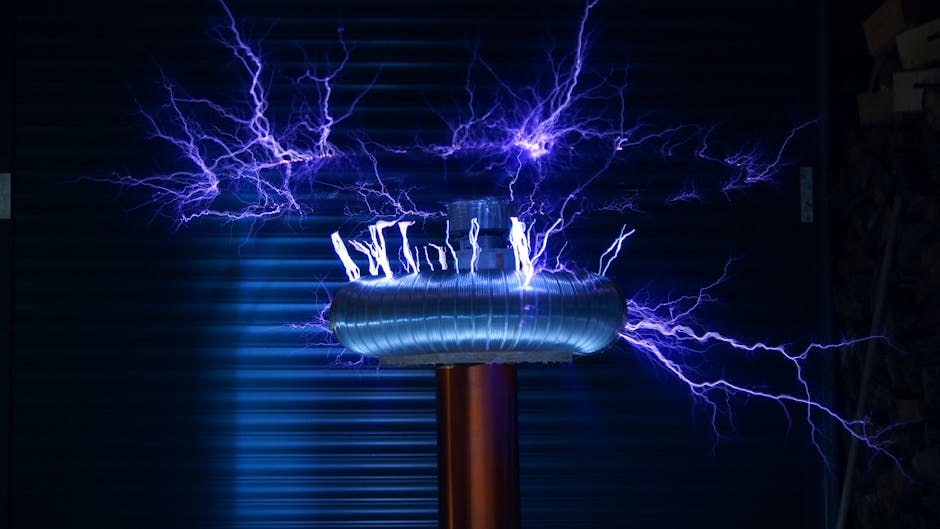
A Tesla coil producing powerful electric arcs in a dark setting.
Photo by Killian Eon on Pexels

Read full note →

Ohm's Law and Electrical Relationships

Ohm's Law is a simple but powerful formula that ties together three core electrical quantities:
* Voltage (V): Measured in Volts (V), it's the electrical "pressure" that pushes electrons through a circuit.
* Current (I): Measured in Amperes (A), it's the rate of flow of electric charge (how many electrons pass a point per second).
* Resistance (R): Measured in Ohms (Ω), it's the opposition to the flow of electric current.

Read full note →

Practical Application and Consolidation
Learning isn't just about absorbing information; it's about being able to use it effectively. Many people spend a lot of time reading or watching, but skip the crucial steps of application and consolidation. This leaves them with "head knowledge" but not "skill."

Read full note →