Punctuation: Periods, Question Marks, and Exclamation Points
From the Punctuation curriculum
TL;DR
Punctuation helps your writing make sense by showing where ideas start and end, and how they relate to each other. End marks like periods, question marks, and exclamation points signal the completion and type of a sentence. Mastering these basics ensures your messages are clear and easily understood by your reader.
1. The Mental Model
Think of punctuation as the traffic signals and road signs for your writing. Without them, everything would be a chaotic jumble of words. End marks specifically act like the big "STOP" signs, telling your reader exactly when one complete thought finishes.
2. The Core Material
Punctuation marks are symbols that you use to structure your sentences and paragraphs. They help to clarify meaning, indicate pauses, and show the tone of your writing. For this topic, we're focusing on end marks, which are the punctuation marks that always appear at the very end of a sentence.
The Period (.)
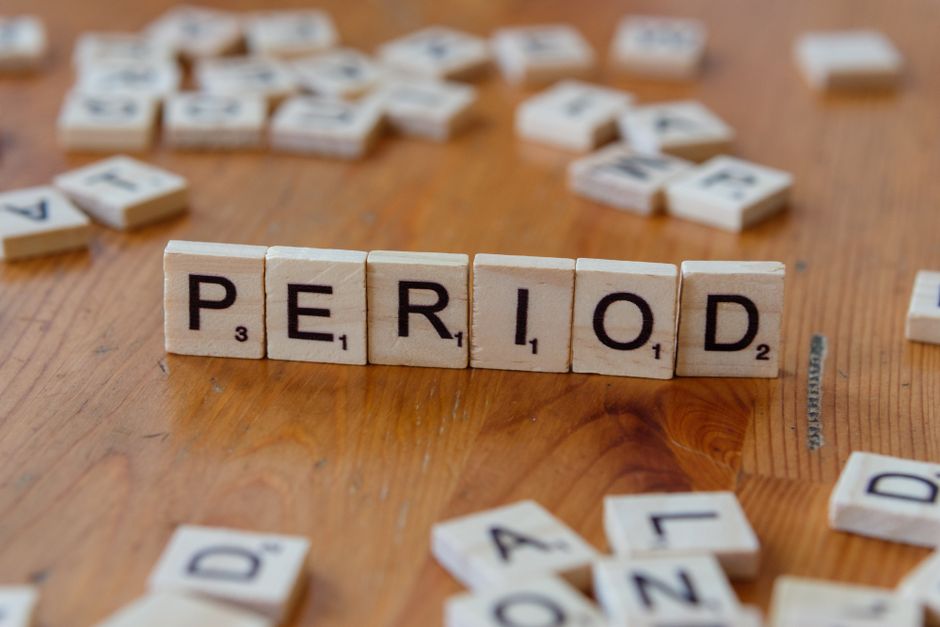
Photo by Markus Winkler on Pexels
The period is the most common end mark. You use it to signal the end of a declarative sentence (a statement) or an imperative sentence (a command). It's a full stop.
- Declarative: The sun is shining today.
- Imperative: Please close the door quietly.
You also use periods for most abbreviations.
- Mr. Smith, Dr. Jones, etc.
The Question Mark (?)
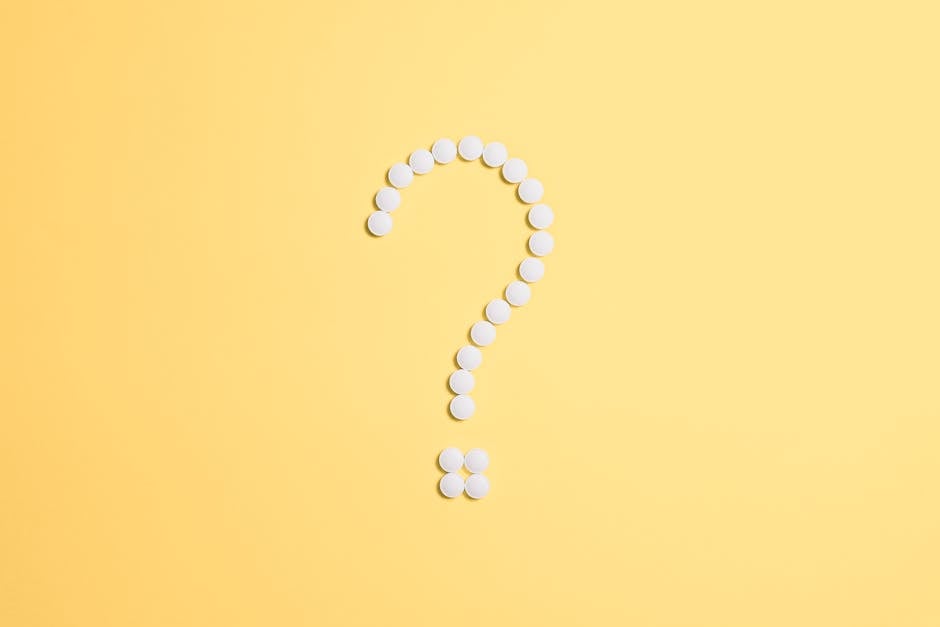
Photo by Anna Shvets on Pexels
You use a question mark at the end of a direct question. It tells the reader that you're asking something.
- Direct Question: What time is it?
- Direct Question: Have you finished your homework?
Don't use a question mark for an indirect question, which is a statement about a question.
- Indirect Question: He asked what time it was. (This is a statement, not a question.)
The Exclamation Point (!)
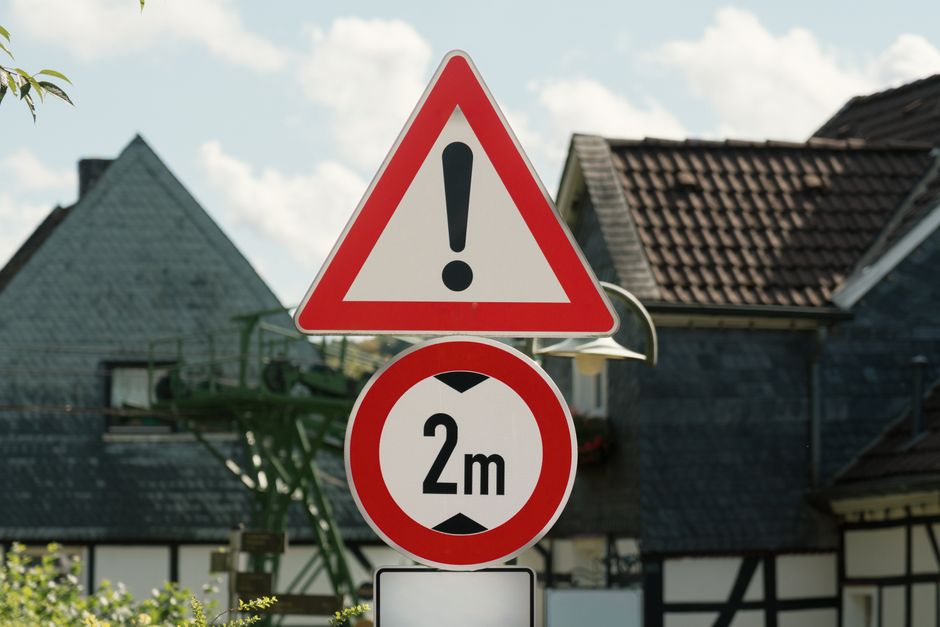
Photo by Jakub Zerdzicki on Pexels
The exclamation point conveys strong emotion, emphasis, or urgency. You use it at the end of an exclamatory sentence or after an interjection. Use it sparingly; too many can make your writing seem overly dramatic.
- Strong Emotion: That's incredible!
- Urgency/Command: Look out!
- Interjection: Wow! What a surprise!
Here's a simple diagram showing the decision process for choosing an end mark:
graph TD
    A["Does the sentence ask a question?"] -->|Yes| B["Use a Question Mark (?)"]
    A -->|No| C["Does the sentence express strong emotion or urgency?"]
    C -->|Yes| D["Use an Exclamation Point (!)"]
    C -->|No| E["Is it a statement or a command?"]
    E -->|Yes| F["Use a Period (.)"]
3. Worked Example
Let's look at a paragraph without any end marks and then add them correctly.
Original:
The cat jumped onto the counter it knocked over a glass of water what a mess I quickly grabbed a towel
Applying End Marks:
The cat jumped onto the counter. It knocked over a glass of water. What a mess! I quickly grabbed a towel.
- "The cat jumped onto the counter" is a statement, so it gets a period.
- "It knocked over a glass of water" is another statement, so another period.
- "What a mess" expresses strong emotion (frustration), so it gets an exclamation point.
- "I quickly grabbed a towel" is a final statement, receiving a period.
4. Key Takeaways
- Periods end statements and commands, providing a firm stop.
- Question marks always signal a direct question.
- Exclamation points convey strong emotion, emphasis, or urgency.
- Choose your end mark based on the purpose and tone of the sentence.
- Using the correct end mark helps your reader understand your message without confusion.
- Overusing exclamation points can diminish their impact and make your writing seem less serious.
Common Mistakes to Avoid:
- Using a question mark for an indirect question.
- Forgetting an end mark entirely, leading to run-on sentences.
- Using multiple exclamation points (e.g., "Wow!!!") – one is enough.
- Confusing a period for a comma; they have different roles.
5. Now Try It
Take any short paragraph from a book, article, or even a text message you sent, and remove all the end marks. Then, try to re-insert the correct periods, question marks, and exclamation points. Focus on why you chose each one based on the sentence's meaning and intent. You'll know you've succeeded if someone else can read your re-punctuated paragraph easily and understand its meaning and tone perfectly.
Frequently asked about Punctuation: Periods, Question Marks, and Exclamation Points
Study this next
Get the full Punctuation curriculum
Clone the complete plan to your dashboard for unlimited AI-generated notes, practice quizzes, and a personalised revision schedule.
Save this course free