Advanced Concepts and Biomechanical Assessment
From the P.E - Biomechanics curriculum
TL;DR
This topic dives into how we measure and interpret human movement, going beyond basic descriptions to understand why movements happen. You'll learn about different tools and techniques used to quantify movement and how to apply this data for performance enhancement or injury prevention. It's all about getting objective, measurable insights into the mechanics of the body.
1. The Mental Model
Think of biomechanical assessment as being a detective for movement. You're not just observing what someone does, but using special tools to gather clues (data) about the forces, angles, and timing involved. Then, you piece those clues together to understand the 'story' of their movement and identify areas for improvement or concern.
2. The Core Material
When we talk about advanced biomechanics, we're moving from simply describing movement (kinematics) to understanding the forces causing it (kinetics), and how these relate to performance and injury.
2.1 Kinematics vs. Kinetics Revisited
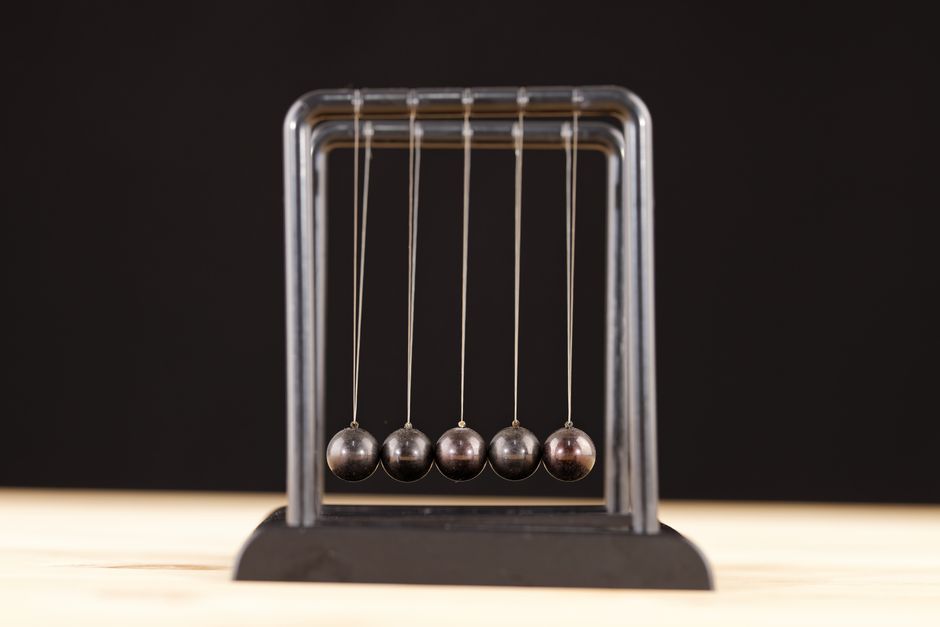
Photo by Engin Akyurt on Pexels
- Kinematics: This is the description of motion. Think of it as describing how something moves: position, velocity, and acceleration.
- Examples: Joint angles (e.g., knee flexion during a squat), segment velocities (e.g., hip speed during a sprint), range of motion.
- Tools: Motion capture systems (optical, inertial), goniometers, accelerometers.
- Kinetics: This is the study of the forces that cause or result from motion. Think of it as describing why something moves the way it does.
- Examples: Ground reaction forces (GRF) during landing, joint torques (e.g., knee extensor torque during a jump), muscle forces.
- Tools: Force plates, instrumented treadmills, pressure insoles, electromyography (EMG).
2.2 Common Biomechanical Assessment Tools
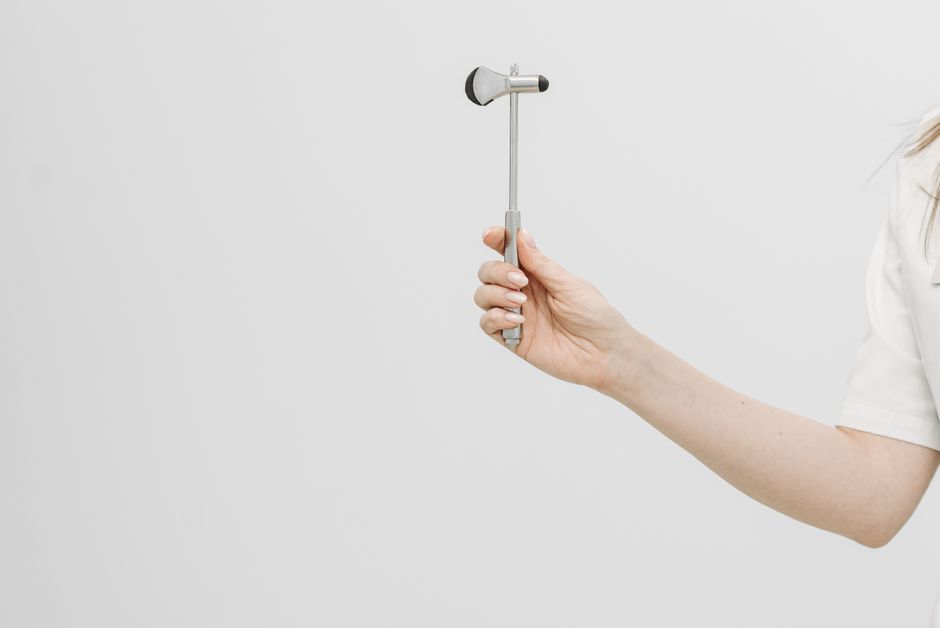
Photo by Pavel Danilyuk on Pexels
Different tools give us different pieces of the puzzle:
- Motion Capture Systems (MOCAP):
- Optical: Uses multiple cameras to track markers placed on the body. Very precise for 3D kinematics.
- Inertial Measurement Units (IMUs): Small sensors containing accelerometers, gyroscopes, and magnetometers. Portable and good for field-based kinematic analysis.
- Force Plates: Measure the forces exerted by the body on the ground (Ground Reaction Forces - GRF) in three dimensions (vertical, anterior-posterior, medial-lateral). Crucial for kinetic analysis.
- Electromyography (EMG): Measures the electrical activity of muscles. Tells you when a muscle is active and how much it's working. Surface EMG is common for gross muscle activity, while intramuscular EMG is more invasive but precise.
- Pressure Insoles: Footwear inserts with pressure sensors. Used to map pressure distribution under the foot during walking, running, or specific movements.
- Isokinetic Dynamometers: Machines that control the speed of joint movement while measuring the force/torque produced. Great for assessing muscle strength and power at constant angular velocities.
2.3 Interpreting Data

Photo by Markus Winkler on Pexels
Collecting data is only half the battle. Interpreting it means understanding what the numbers tell you about movement efficiency, risk of injury, or performance potential.
- Symmetry Analysis: Comparing left vs. right sides. Asymmetries can indicate imbalances or injury risk.
- Temporal Analysis: Looking at the timing of events (e.g., foot strike timing, muscle activation sequences).
- Peak Values vs. Averages: Understanding both maximum efforts and overall patterns.
- Comparing to Normative Data: How does an individual's movement compare to a healthy, uninjured population or elite athletes?
graph TD
    A["Movement Analysis Request (e.g., improving jump height)"] --> B{Choose Assessment Tools};
    B --> C1["Kinematics (e.g., MOCAP, IMUs)"]
    B --> C2["Kinetics (e.g., Force Plates, EMG)"]
    C1 --> D["Collect Kinematic Data (e.g., joint angles, velocities)"]
    C2 --> E["Collect Kinetic Data (e.g., GRF, muscle activity)"]
    D --> F["Data Processing & Analysis"]
    E --> F
    F --> G["Interpretation of Results (e.g., inefficient joint angles, low power output)"]
    G --> H["Recommendations/Interventions (e.g., technique drills, strength training)"]
    H --> I["Re-assessment (to track progress)"]
3. Worked Example
Let's say you're assessing a basketball player who complains of knee pain after landing from jumps.
- Goal: Identify potential biomechanical factors contributing to knee pain during landing.
- Tools: You set up an optical motion capture system to track knee flexion angles and a force plate to measure ground reaction forces during drop landings. You might also use EMG on the quadriceps and hamstrings.
- Data Collection: The player performs several drop landings.
- Motion Capture data shows: Limited knee flexion (e.g., only 60 degrees) at peak impact.
- Force Plate data shows: A very high peak vertical ground reaction force (e.g., 8 times body weight) that occurs very quickly.
- EMG data shows: Delayed activation of the quadriceps before landing.
- Interpretation:
- Limited knee flexion means the player isn't effectively absorbing impact through joint bending, putting more stress on the knee structures.
- High peak GRF in a short time confirms this "stiff" landing strategy.
- Delayed quadriceps activation means the primary knee extensors aren't pre-activating to prepare for landing, further increasing stress.
- Conclusion: The player is landing with insufficient knee flexion and delayed muscle activation, leading to high impact forces on the knee.
4. Key Takeaways
- Kinematics describes how movement occurs (position, velocity, acceleration), while kinetics explains why (forces, torques).
- Motion capture systems (optical, IMU) are primary tools for kinematic analysis, providing detailed joint and segment data.
- Force plates are essential for kinetic analysis, measuring ground reaction forces and helping calculate joint torques.
- EMG assesses muscle activity, indicating when and how intensely muscles are working during movement.
- Interpreting biomechanical data involves looking for patterns, asymmetries, peak values, and comparing them to normative data.
- A "stiff" landing (limited joint flexion, high impact forces) is a common biomechanical risk factor for lower limb injuries.
Common Mistakes to Avoid:
- Focusing solely on kinematics: Don't just describe what happened; try to understand the forces why it happened.
- Ignoring context: Data means little without understanding the sport, individual, and specific task.
- Over-interpreting small differences: Biomechanical measurements can have variability; look for significant, repeatable patterns.
- Using the wrong tool for the job: Don't try to measure muscle force directly with a goniometer; select appropriate equipment for your question.
5. Now Try It
Think about a common athletic movement, like a sprint start. Briefly describe:
- What kinematic variables you'd want to measure (e.g., body angles, segment velocities).
- What kinetic variables you'd want to measure (e.g., forces, torques).
- Which tools you would use for each.
What success looks like: You can clearly identify at least two kinematic and two kinetic variables, and correctly match a relevant tool to each measurement you describe.
Frequently asked about Advanced Concepts and Biomechanical Assessment
Study this next
Get the full P.E - Biomechanics curriculum
Clone the complete plan to your dashboard for unlimited AI-generated notes, practice quizzes, and a personalised revision schedule.
Save this course free