Foundations of Law and Justice
From the Policing curriculum
TL;DR
Understanding law and justice is crucial for policing, as it underpins authority, accountability, and the ethical framework of your role. You'll explore how different types of law (like common, statutory, and constitutional) interact, shaping the legal landscape you operate within. This foundational knowledge helps you act effectively and fairly, upholding the principles of justice in every interaction.
1. The Mental Model
Think of law and justice as the blueprint and the guiding star for society, respectively. The law provides the concrete rules and structures, while justice represents the ideal outcome of fairness, equality, and protection of rights that the law aims to achieve. Your job as a police officer is to enforce the blueprint while striving for the guiding star.
2. The Core Material
The legal system is complex, but for policing, it's essential to grasp the different sources and types of law, the structure of the court system, and the overarching concept of justice.
Sources of Law
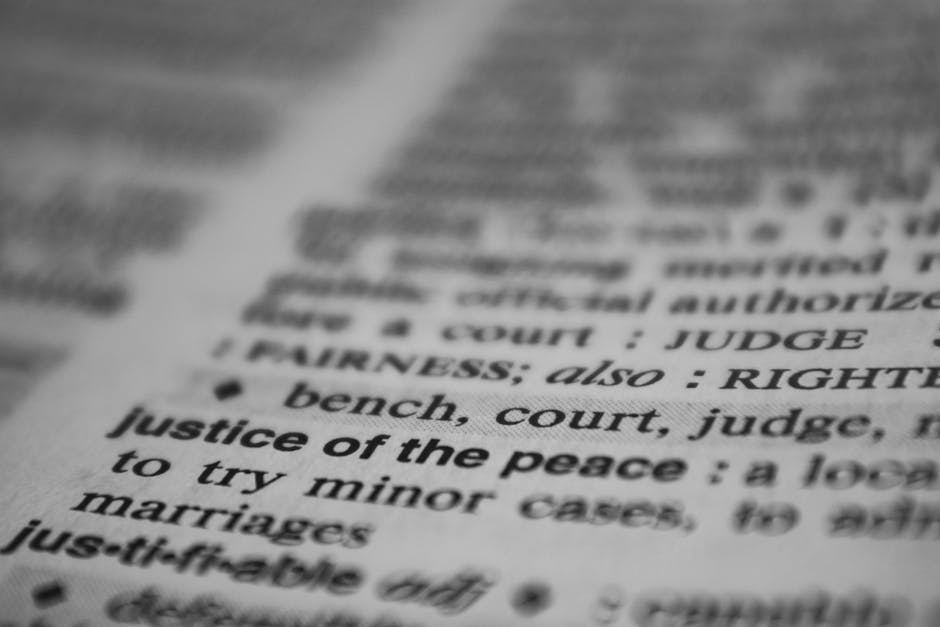
Photo by Nothing Ahead on Pexels
In many common law systems (like in the US, UK, Canada, Australia), law comes from several places:
* Constitutional Law: This is the supreme law of the land, outlining government powers and fundamental rights. Any law conflicting with it is invalid.
* Statutory Law: Laws created by legislative bodies (like Parliament or Congress) at federal, state/provincial, or local levels. These are written rules.
* Common Law (Case Law): Law developed from judicial decisions (precedents) in court cases. When judges rule on a case, their decision can set a precedent for future, similar cases. This is known as stare decisis ("to stand by things decided").
* Administrative Law: Rules and regulations created by government agencies (e.g., environmental protection, food safety).
Types of Law Relevant to Policing

Photo by Kindel Media on Pexels
- Criminal Law: Deals with offenses against the state or society as a whole. Its purpose is to punish offenders and maintain public order. Examples include assault, theft, and drug offenses. This is your primary focus.
- Civil Law: Deals with disputes between individuals or organizations. Its purpose is to resolve conflicts and provide remedies (like compensation). Examples include contract disputes, personal injury, and property disputes. While you generally don't enforce civil law, you might encounter situations with civil implications (e.g., domestic disputes that start civil but become criminal).
The Justice System Structure

Photo by Leandro Paes Leme on Pexels
The system usually involves:
* Law Enforcement: Your role – investigating crimes, arresting suspects, maintaining order.
* Courts: Interpret and apply the law. This involves:
* Trial Courts: Where cases are heard, evidence is presented, and facts are determined.
* Appellate Courts: Review decisions of lower courts to ensure legal procedures were followed and laws were applied correctly.
* Corrections: Manage convicted offenders (e.g., prisons, probation).
Principles of Justice

Photo by Pavel Danilyuk on Pexels
Justice isn't just about following rules; it's about fairness. Key principles include:
* Rule of Law: Everyone, including those in power, is subject to and accountable to the law. No one is above the law.
* Due Process: Fair treatment through the normal judicial system, ensuring legal rights are respected (e.g., right to a fair trial, right to counsel).
* Equality before the Law: Everyone is treated the same under the law, regardless of background or status.
* Presumption of Innocence: A person is considered innocent until proven guilty beyond a reasonable doubt.
Here's how these sources and types of law generally interact:
graph TD
    A["Constitutional Law (Supreme)"] --> B["Statutory Law (Legislative)"]
    A --> C["Common Law (Judicial Precedent)"]
    B --> D["Criminal Law"]
    B --> E["Civil Law"]
    C --> D
    C --> E
    D --> F["Law Enforcement Action (Arrest, Investigation)"]
    E --> G["Civil Dispute Resolution (Lawsuits)"]
    F --> H["Court Proceedings (Criminal)"]
    G --> I["Court Proceedings (Civil)"]
    H --> J["Corrections/Punishment"]
    I --> K["Remedy/Resolution"]
3. Worked Example
Imagine you're called to a disturbance. You arrive and find two individuals, Alex and Ben, arguing loudly. Alex claims Ben punched him.
- Identify the potential legal issue: Alex's claim suggests criminal law (assault) and potentially civil law (battery, a tort).
- Apply statutory law: You'd refer to the relevant statutory law for assault in your jurisdiction (e.g., "Whoever intentionally causes bodily harm to another person...").
- Consider common law/precedent: If you need to determine "bodily harm," you might recall previous court decisions (common law) defining what constitutes it.
- Constitutional rights: You remind Ben of his constitutional rights (e.g., right to remain silent) if you decide to arrest him.
- Due process: Throughout your investigation, you ensure due process by gathering evidence fairly, interviewing witnesses, and documenting everything accurately before making an arrest. If an arrest is made, the case moves to the courts for criminal proceedings, aiming for justice based on the evidence presented and the law applied.
4. Key Takeaways
- The Constitution is the highest law, setting limits on government power and protecting individual rights.
- Statutory law (written laws by legislatures) and common law (judge-made law based on precedent) are the primary forms of law you'll encounter.
- Criminal law deals with offenses against society (your main focus), while civil law handles disputes between individuals.
- The Rule of Law means everyone, including police, is accountable to the law.
- Due process ensures fair treatment and protection of rights within the justice system.
- Your role involves enforcing laws while upholding principles of fairness and equality.
5. Now Try It
Review a recent news article about a local crime. Identify which types of law (constitutional, statutory, common, criminal, civil) are likely involved or referenced, and briefly explain how the principles of justice (rule of law, due process) might apply to the situation described. Success looks like you correctly identifying at least three types of law and two principles of justice with brief, relevant explanations.
Frequently asked about Foundations of Law and Justice
Study this next
Get the full Policing curriculum
Clone the complete plan to your dashboard for unlimited AI-generated notes, practice quizzes, and a personalised revision schedule.
Save this course free