Fundamental Properties of Matter
From the unit 1 test chem curriculum
TL;DR
Matter is anything that has mass and takes up space, and it can be classified by its physical and chemical properties. These properties help us identify substances and understand how they behave. We can observe matter changing states or combining without changing its fundamental composition or transforming into entirely new substances.
1. The Mental Model
Imagine all the "stuff" around you – your phone, the air, your body. All of it is matter. We describe this "stuff" by what it's like (its properties) and how it changes, either just physically (like melting ice) or chemically (like burning wood).
2. The Core Material
Matter is anything that has mass and occupies space. We describe matter using two main types of properties: physical properties and chemical properties.
Physical Properties
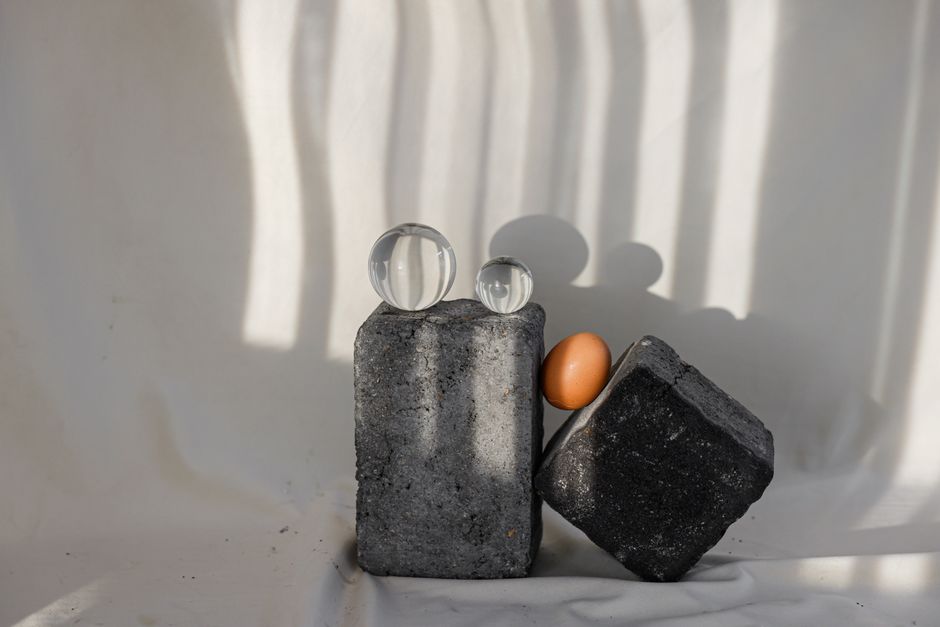
Photo by Cup of Couple on Pexels
These are characteristics you can observe or measure without changing the substance's chemical identity. Think about things you can see, touch, or measure directly.
- Intensive properties don't depend on the amount of matter present. Examples: density, melting point, boiling point, color, odor, hardness.
- Extensive properties do depend on the amount of matter. Examples: mass, volume, length.
When matter undergoes a physical change, its appearance changes, but its chemical composition remains the same. Examples include melting, freezing, boiling, condensing, subliming, dissolving, or cutting.
Chemical Properties

Photo by Kindel Media on Pexels
These describe a substance's ability to undergo a chemical change, forming new substances. You can only observe these properties when the substance reacts.
- Examples: flammability (how easily it burns), reactivity with acids, ability to rust (oxidize).
A chemical change (or chemical reaction) results in the formation of entirely new substances with different chemical properties. Signs of a chemical change often include a change in color, gas production (bubbles), heat/light production, or the formation of a precipitate (a solid formed in a liquid).
Classification of Matter

Photo by Brett Jordan on Pexels
Matter can be broken down into different categories:
graph TD
    A["Matter"] --> B["Pure Substances"]
    A --> C["Mixtures"]

    B --> D["Elements"]
    B --> E["Compounds"]

    C --> F["Homogeneous Mixtures (Solutions)"]
    C --> G["Heterogeneous Mixtures"]

    D --> H["Cannot be broken down further by chemical means"]
    E --> I["Two or more elements chemically combined in fixed ratios"]
    F --> J["Uniform composition throughout (e.g., salt water)"]
    G --> K["Non-uniform composition (e.g., sand and water)"]
- Pure Substances: Have a fixed chemical composition and distinct properties.
- Elements: The simplest pure substances, consisting of only one type of atom (e.g., Oxygen, Gold).
- Compounds: Formed when two or more different elements are chemically bonded together in a fixed ratio (e.g., Water - H₂O, Carbon Dioxide - CO₂). Compounds can be broken down into elements by chemical means.
- Mixtures: Combinations of two or more pure substances that are physically mixed but not chemically bonded. Their composition can vary.
- Homogeneous Mixtures (Solutions): Have a uniform composition and appearance throughout (e.g., sugar dissolved in water, air). You can't see the different components.
- Heterogeneous Mixtures: Have a non-uniform composition; you can see the different parts (e.g., sand and water, salad dressing).
3. Worked Example
Let's consider a piece of ice.
- Mass: If you weigh it, you'd find its mass (extensive physical property).
- Volume: You could measure the space it takes up (extensive physical property).
- Color: It's colorless (intensive physical property).
- Melting Point: It melts at 0°C (intensive physical property).
- Flammability: It's not flammable (chemical property).
When the ice melts into liquid water, it undergoes a physical change. Its state changes from solid to liquid, but it's still H₂O. Its mass and chemical composition remain the same. The melting point is a physical property because the water's chemical identity doesn't change.
Now, if you used electricity to break down that liquid water into hydrogen gas and oxygen gas, that would be a chemical change. You'd be forming new substances (hydrogen and oxygen) with entirely different chemical properties (e.g., hydrogen is highly flammable, oxygen supports combustion). This process demonstrates a chemical property of water – its ability to decompose into elements.
4. Key Takeaways
- Matter is defined by having mass and occupying space.
- Physical properties can be observed without changing the substance's chemical identity.
- Chemical properties describe how a substance reacts to form new substances.
- Physical changes alter appearance but not chemical composition (e.g., melting).
- Chemical changes create new substances with different properties (e.g., burning).
- Matter is classified into pure substances (elements, compounds) and mixtures (homogeneous, heterogeneous).
Common mistakes to avoid:
- Confusing intensive and extensive properties (e.g., thinking volume is intensive).
- Mixing up physical and chemical changes (e.g., thinking dissolving is a chemical change).
- Believing that a solution isn't a type of mixture.
- Thinking compounds are just mixtures of elements.
5. Now Try It
Take five everyday objects around you (e.g., a penny, a glass of orange juice, a wooden pencil, a sugar cube, air). For each object, list three physical properties and one chemical property. Then, describe one physical change and one chemical change that could happen to that object. What success looks like: You've correctly identified properties and types of changes without confusing them for all five objects.
Frequently asked about Fundamental Properties of Matter
Study this next
Get the full unit 1 test chem curriculum
Clone the complete plan to your dashboard for unlimited AI-generated notes, practice quizzes, and a personalised revision schedule.
Save this course free