Important Days: November and Review
From the Ias juniors curriculum
TL;DR
Memorizing important days helps you recall significant historical and cultural events, crucial for IAS exams. November's important days focus on national unity, children's welfare, and global awareness. Regular review of all monthly important days is vital for long-term retention.
1. The Mental Model
Think of important days as mental anchors: each date is a hook for a significant event or theme. Connecting these dates to their significance helps you understand their context, not just rote memorize them.
2. The Core Material
For your IAS juniors preparation, knowing important days is more than just recalling dates; it's about understanding why they're significant and their relevance. Let's break down November's key dates and then discuss an effective review strategy.
November's Important Days
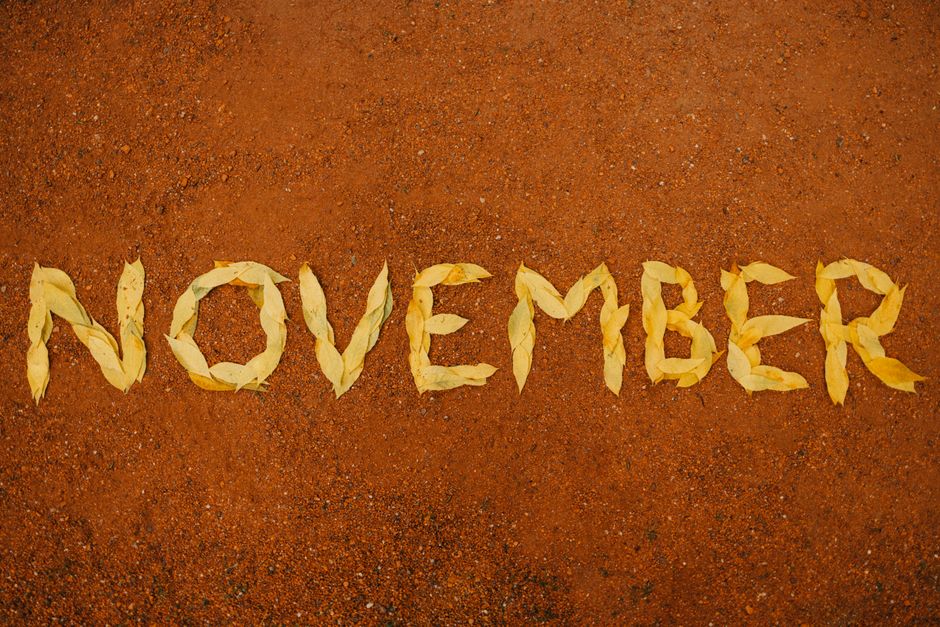
Photo by Maksim Goncharenok on Pexels
Here are the crucial days in November you should know, along with their significance:
- November 1: World Vegan Day - Promotes the benefits of veganism for animals, people, and the natural environment. Also, many Indian states celebrate their Formation Day on this date (e.g., Haryana, Karnataka, Kerala, Madhya Pradesh, Punjab).
- November 5: World Tsunami Awareness Day - Focuses on raising awareness about tsunamis and sharing innovative approaches to risk reduction.
- November 7: National Cancer Awareness Day - Aims to raise awareness about cancer prevention and early detection in India. Also, Infant Protection Day to highlight child safety and protection.
- November 9: Legal Services Day - Commemorates the enactment of the Legal Services Authorities Act, 1987, and aims to spread awareness about legal aid.
- November 10: World Science Day for Peace and Development - Highlights the significant role of science in society and the need to engage the wider public in debates on emerging scientific issues.
- November 11: National Education Day - Celebrated to commemorate the birth anniversary of Maulana Abul Kalam Azad, India's first Education Minister.
- November 14: Children's Day (India) - Celebrates the birth anniversary of Jawaharlal Nehru, India's first Prime Minister, known for his love for children. Also, World Diabetes Day to raise awareness about diabetes.
- November 16: International Day for Tolerance - Promotes mutual understanding among cultures and peoples.
- November 19: World Toilet Day - Addresses the global sanitation crisis and achieves Sustainable Development Goal 6 (water and sanitation for all). Also, International Men's Day.
- November 20: Universal Children's Day - Promotes international togetherness, awareness among children worldwide, and improving children's welfare.
- November 21: World Television Day - Recognizes television's role in presenting different issues affecting people.
- November 25: International Day for the Elimination of Violence against Women - Aims to raise awareness of the fact that women around the world are subject to rape, domestic violence, and other forms of violence.
- November 26: Constitution Day (India) / National Law Day - Commemorates the adoption of the Constitution of India in 1949. Also, National Milk Day to celebrate the birthday of Dr. Verghese Kurien, the "Father of the White Revolution" in India.
Effective Review Strategy

Photo by https://kaboompics.com/ on Pexels
Review isn't just re-reading. It's about active recall and spaced repetition.
graph TD
    A["Initial Learning (e.g., Nov. Days)"] --> B{"Review after 1 day?"}
    B -- "Yes" --> C["Active Recall (Flashcards/Quizzes)"]
    B -- "No" --> A
    C --> D{"Review after 1 week?"}
    D -- "Yes" --> E["Connect to Current Affairs"]
    D -- "No" --> C
    E --> F{"Review after 1 month?"}
    F -- "Yes" --> G["Group by Theme (e.g., Environment, Health)"]
    F -- "No" --> E
    G --> H["Periodic Full Review (e.g., Quarterly)"]
3. Worked Example
Let's apply the review strategy for a few days. Suppose you just learned these November days:
-
Initial Learning: You read about November 14: Children's Day (India) and World Diabetes Day. You also noted November 26: Constitution Day (India) and National Milk Day.
-
Review after 1 day (Active Recall): You take a blank sheet. What's important on Nov 14? "Children's Day, Nehru's birthday. Oh, and World Diabetes Day." What about Nov 26? "Constitution Day, Law Day. And Milk Day for Verghese Kurien." This helps solidify the memory.
-
Review after 1 week (Connect to Current Affairs): You see news about children's welfare schemes. You instantly connect it to Children's Day (Nov 14). You read about a debate on constitutional amendments; you link it to Constitution Day (Nov 26).
-
Review after 1 month (Group by Theme): You create a list of "Health-related important days": World Diabetes Day (Nov 14), National Cancer Awareness Day (Nov 7). Or "National Importance days": Children's Day (Nov 14), Constitution Day (Nov 26), National Education Day (Nov 11). This thematic grouping makes recall easier and helps you see patterns.
4. Key Takeaways
- Associate each important day with its core theme or purpose for better retention.
- Use active recall methods like flashcards or self-quizzing instead of just re-reading.
- Regularly revisit previous months' important days to ensure comprehensive coverage.
- Try to link important days to current affairs or related topics for deeper understanding.
- Group similar themed days together (e.g., all environmental days, all health days) for easier memorization.
Common Mistakes to Avoid:
- Rote memorization without understanding: Don't just list dates; know why they're important.
- Neglecting regular review: Information fades quickly without spaced repetition.
- Mixing up similar days: Be precise with dates, especially for national vs. international versions of a day (e.g., Children's Day).
- Overlooking the significance for India: Pay extra attention to Indian-specific important days like Constitution Day or National Education Day.
5. Now Try It
Take out a blank piece of paper. Without looking at your notes, try to list all the important days for October, along with their significance. Then, check your answers against your notes. Identify any you missed or got wrong and create flashcards for them. This 15-minute exercise will highlight your strong points and areas needing more attention. Success looks like accurately recalling at least 80% of October's important days and their reasons.
Frequently asked about Important Days: November and Review
More from Ias juniors
Get the full Ias juniors curriculum
Clone the complete plan to your dashboard for unlimited AI-generated notes, practice quizzes, and a personalised revision schedule.
Save this course free