Introduction to Humanity in Humanitarian Work
From the swk curriculum
TL;DR
Humanitarian work is fundamentally about upholding human dignity and alleviating suffering, guided by core principles like humanity and neutrality. These principles ensure aid is delivered impartially, focusing on the most vulnerable without discrimination. Understanding this human-centered approach is crucial for effective and ethical humanitarian action.
1. The Mental Model
Think of humanity in humanitarian work as the compass guiding all actions: it points towards recognizing and respecting the inherent worth of every person. This core idea drives the effort to prevent and ease suffering wherever it occurs. It's about treating people not as problems, but as individuals with rights and dignity.
2. The Core Material
"Humanity" is the foundational principle of humanitarian action. It means that human suffering must be addressed wherever it's found, with particular attention to the most vulnerable. It also aims to protect life and health, and to ensure respect for the human being. This isn't just a moral ideal; it's a practical guide for how aid is delivered.
This principle is one of the four core humanitarian principles, alongside neutrality, impartiality, and independence. Together, they form the ethical framework for humanitarian response.
The Principle of Humanity

Photo by AMOL NAKVE on Pexels
This principle encompasses two main ideas:
1. Prevent and alleviate human suffering: This is the proactive effort to reduce pain, fear, hunger, and other forms of distress.
2. Protect life and health, and uphold human dignity: This ensures that even in crises, people are treated with respect and their fundamental rights are recognized.
Why is Humanity so important?
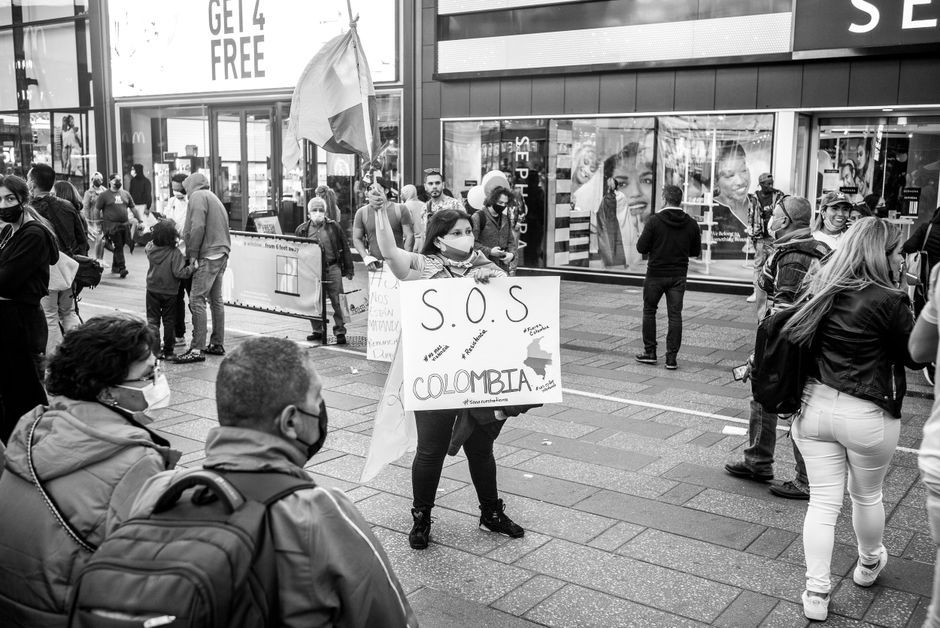
Photo by David Wilson on Pexels
It provides the raison d'être (reason for being) for humanitarian aid. Without this intrinsic value placed on human life and dignity, humanitarian action loses its moral and ethical foundation. It ensures that the focus remains squarely on the people affected, rather than political agendas or other motives.
Here's how the principles interact:
graph TD
    A["Humanity (Core Purpose: Alleviate Suffering, Uphold Dignity)"] --> B["Impartiality (Aid based on Need Only)"]
    A --> C["Neutrality (No Side in Hostilities)"]
    A --> D["Independence (Autonomous from Political/Economic/Military Influence)"]
    B --> E["Effective, Ethical Aid Delivery"]
    C --> E
    D --> E
    E --> F["Increased Access & Trust"]
    F --> G["Better Outcomes for Affected Populations"]
Applying the Principle
Photo by Polina Zimmerman on Pexels
Practically, applying the principle of humanity means:
* Prioritizing those in most urgent need.
* Ensuring aid reaches people without discrimination based on nationality, race, religious belief, class, or political opinions.
* Advocating for the rights and protection of vulnerable groups.
* Treating all individuals with respect, regardless of their background or the circumstances.
3. Worked Example
Imagine a community hit by a sudden flood. Houses are destroyed, people are displaced, and food and water are scarce.
A humanitarian worker arrives. According to the principle of humanity, their first priority is to alleviate suffering and uphold dignity. This means they don't first ask about political affiliations or social status. Instead, they immediately focus on:
- Assessing urgent needs: Who needs medical attention? Who is hungry or thirsty? Where are the most vulnerable (children, elderly, disabled) located?
- Providing basic necessities: Distributing clean water, food, shelter, and medical supplies to everyone in need, prioritizing the most critical cases.
- Ensuring respectful treatment: Setting up distribution points that maintain privacy, using appropriate language, and ensuring aid doesn't create further humiliation.
The worker would not discriminate by providing aid only to people from a certain ethnic group, or by withholding aid from someone suspected of being politically opposed to a local authority. This adherence to humanity ensures the response is focused purely on human need.
4. Key Takeaways
- Humanity is the fundamental principle driving all humanitarian action, focusing on preventing and alleviating suffering.
- It emphasizes protecting life, health, and respecting the dignity of every individual.
- This principle mandates aid delivery based solely on need, without discrimination.
- Humanity is one of four core principles (humanity, neutrality, impartiality, independence) that guide ethical humanitarian work.
- Adhering to humanity builds trust and ensures access to affected populations.
- It means treating all individuals with respect, regardless of their background or circumstances.
Common mistakes you should avoid:
- Confusing humanitarian aid with political intervention or development work.
- Prioritizing efficiency over the dignity of individuals.
- Allowing personal biases or political views to influence aid distribution.
- Forgetting that the people receiving aid are not just recipients, but individuals with agency and rights.
5. Now Try It
Think about a hypothetical crisis (e.g., an earthquake, a conflict, a famine). Spend 15 minutes outlining three specific actions you, as a humanitarian worker, would take to uphold the principle of humanity.
What to do:
1. Choose a specific type of crisis.
2. Identify three concrete steps you would take immediately.
3. For each step, briefly explain how it directly reflects the principle of humanity.
What success looks like: Your three actions clearly demonstrate an understanding of alleviating suffering, protecting life/health, and upholding dignity, without discrimination.
Frequently asked about Introduction to Humanity in Humanitarian Work
Study this next
Get the full swk curriculum
Clone the complete plan to your dashboard for unlimited AI-generated notes, practice quizzes, and a personalised revision schedule.
Save this course free