Foundations of Lifespan Development
From the psychology lifespan devolopment curriculum
TL;DR
Lifespan development studies how and why we change and stay the same from conception to death. It's shaped by a complex interplay of biology, environment, and individual choices. Understanding these foundations helps us appreciate the diverse paths human lives take.
1. The Mental Model
Think of lifespan development as a long, winding river. The river's source is conception, its mouth is death, and along the way, various forces like the landscape, weather, and other streams (influences) continuously shape its flow, speed, and direction.
2. The Core Material
Lifespan development is a scientific field that examines patterns of growth, change, and stability in human behavior across the entire life span. It's multidirectional, meaning some abilities improve while others decline, and multicontextual, influenced by many settings. It's also multicultural, considering cultural variations, and multidisciplinary, drawing insights from various fields like psychology, sociology, and biology. Finally, it's plastic, meaning abilities can be molded, and lifelong, covering all ages.
Key Principles of Lifespan Development
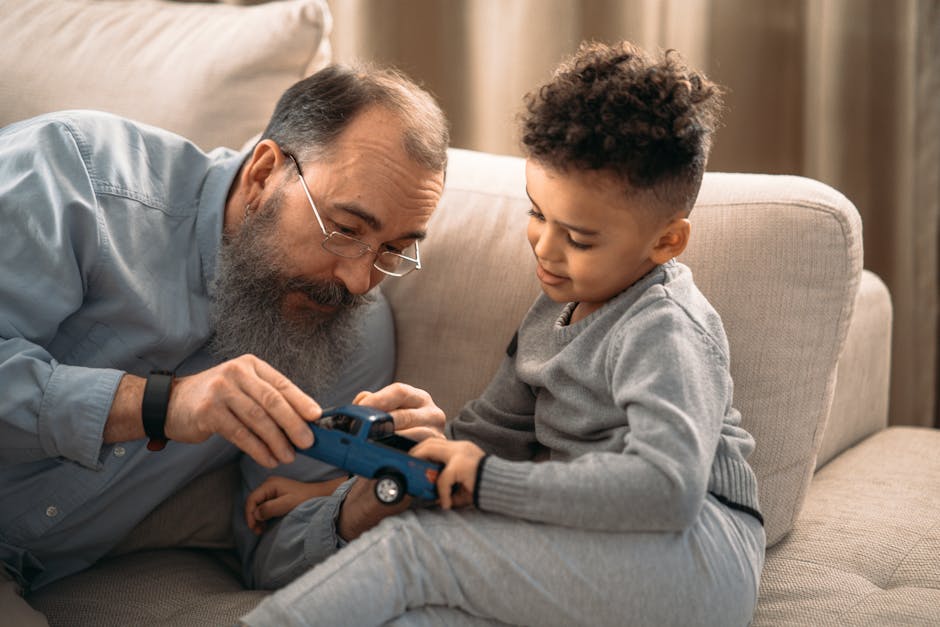
Photo by Mikhail Nilov on Pexels
- Lifelong: Development isn't just childhood; it continues from birth to death.
- Multidirectional: Change isn't always linear. Some traits increase, others decrease, some fluctuate.
- Multicontextual: We develop within many contexts, like families, schools, cultures, and historical eras.
- Multicultural: Culture profoundly shapes how we develop, influencing values, behaviors, and opportunities.
- Multidisciplinary: Psychologists, sociologists, biologists, and others contribute to understanding development.
- Plasticity: Our traits and abilities can be modified throughout life, though the extent varies.
Influences on Development

Photo by Mehmet Aksoy on Pexels
There are three main types of influences that shape us:
- Normative age-graded influences: Biological or environmental events that are similar for individuals in a particular age group (e.g., puberty, starting school).
- Normative history-graded influences: Events common to a specific cohort (people born around the same time), due to historical circumstances (e.g., experiencing a pandemic, living through a war).
- Non-normative influences: Unusual occurrences that have a major impact on an individual's life (e.g., winning the lottery, a severe illness, losing a parent as a child).
graph TD
    A["Human Development"] --> B["Influences"]
    B --> C1["Normative Age-Graded"]
    B --> C2["Normative History-Graded"]
    B --> C3["Non-Normative"]

    C1 --> D1["e.g., Puberty, First steps"]
    C2 --> D2["e.g., Global Pandemic, Great Depression"]
    C3 --> D3["e.g., Major Illness, Winning Lottery"]

    A --> E["Key Principles"]
    E --> F1["Lifelong"]
    E --> F2["Multidirectional"]
    E --> F3["Multicontextual"]
    E --> F4["Multicultural"]
    E --> F5["Multidisciplinary"]
    E --> F6["Plasticity"]
3. Worked Example
Imagine two people, Alex and Ben, both born in 1995.
- Alex experienced typical "normative age-graded" events like starting elementary school around age 5, graduating high school around 18, and experiencing romantic relationships in young adulthood. In 2020 (age 25), both Alex and Ben faced the "normative history-graded" influence of the COVID-19 pandemic, which impacted their job prospects and social lives.
- However, Ben also experienced a "non-normative" influence: at age 10, his family home was destroyed in a natural disaster, forcing them to relocate and significantly affecting his schooling and emotional development for several years. This unique event profoundly shaped his individual path in ways Alex didn't experience.
This example shows how all three types of influences combine to create unique developmental trajectories, even for people born at the same time.
4. Key Takeaways
- Lifespan development is a comprehensive study of human change and stability from conception to death.
- It emphasizes that development is continuous, not ending after childhood.
- Development is complex, involving increases, decreases, and shifts in various abilities.
- Our development is deeply embedded in our social, cultural, and historical surroundings.
- The field benefits from combining insights from many academic disciplines.
- We have the capacity for change and adaptation throughout our lives.
Common Mistakes to Avoid:
- Don't think development only happens in childhood or adolescence.
- Don't assume all development is about getting "better" or more skilled; some aspects decline.
- Don't overlook the powerful role of culture and historical context in shaping individuals.
- Don't isolate influences; remember they often interact in complex ways.
5. Now Try It
Think about a significant life event you've experienced or observed in someone close to you. For 15 minutes, categorize this event using the three types of influences (normative age-graded, normative history-graded, non-normative). Explain why it fits that category and how it impacted development.
What success looks like: You should be able to clearly identify the event and correctly assign it to one or more of the influence categories, providing a brief justification based on the definitions provided.
Frequently asked about Foundations of Lifespan Development
Study this next
Get the full psychology lifespan devolopment curriculum
Clone the complete plan to your dashboard for unlimited AI-generated notes, practice quizzes, and a personalised revision schedule.
Save this course free