Legal, Ethical, and Future Trends in E-Business
From the Principles of entrepreneurship and ebusiness curriculum
TL;DR
E-business success isn't just about tech; it's heavily shaped by legal rules, ethical responsibilities, and fast-changing trends. You need to understand laws like data privacy and consumer protection, act ethically, and keep an eye on emerging tech to stay competitive. Navigating these aspects protects your business, builds trust, and unlocks future growth.
1. The Mental Model
Think of e-business as a car: the tech is the engine, but legal and ethical considerations are the traffic laws and your moral compass guiding you safely. Future trends are like the road ahead, showing you new paths or potential detours you'll encounter.
2. The Core Material
E-businesses operate in a dynamic environment where digital speed meets traditional regulations and evolving societal expectations. Understanding the interplay of legal, ethical, and future trends is crucial for building a sustainable and trustworthy online venture.
Legal Aspects: Staying within the Lines

Photo by Cytonn Photography on Pexels
Legal issues are about compliance – following the rules set by governments to protect consumers, businesses, and data. Ignoring these can lead to hefty fines, lawsuits, and damage to your reputation.
- Data Privacy & Security: This is huge. Laws like GDPR (Europe), CCPA (California), and similar regulations worldwide dictate how you collect, store, and use customer data. You must get consent, protect data from breaches, and be transparent.
- Consumer Protection: Online stores still need to adhere to rules about product quality, accurate advertising, pricing, and warranties. Misleading claims or faulty products can land you in trouble.
- Intellectual Property (IP): This covers trademarks (your brand name/logo), copyrights (your website content, images, code), and patents (innovative tech). You need to protect your own IP and avoid infringing on others'.
- Contracts & Terms of Service (ToS): Your website's ToS and privacy policy are legally binding contracts. They outline user responsibilities, your liabilities, and how disputes are handled.
- Taxation: Digital goods and services often have complex tax rules (e.g., sales tax, VAT), which vary by region and country.
Ethical Considerations: Doing the Right Thing
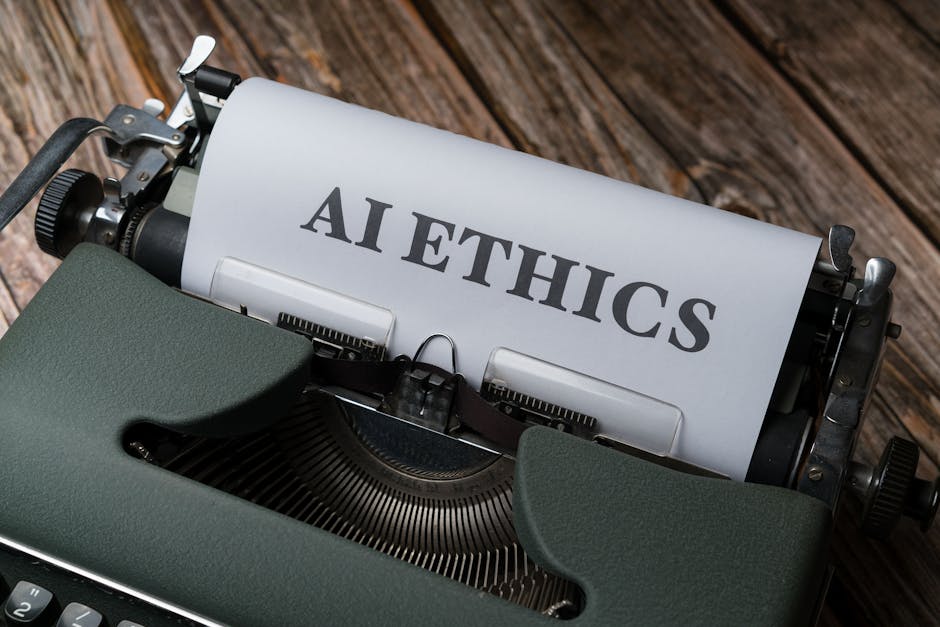
Photo by Markus Winkler on Pexels
Ethics go beyond legal requirements; they're about moral principles and what's considered "right" even if not explicitly illegal. Building an ethical e-business fosters trust and customer loyalty.
- Transparency: Be clear about your business practices, data usage, and product information. Avoid hidden fees or deceptive marketing.
- Fairness: Treat all customers equally. Avoid discriminatory practices in pricing or access.
- Accountability: Take responsibility for your actions and the impact of your e-business.
- Data Usage: Even if legally allowed, consider if your data collection and usage practices are truly respectful of user privacy. For example, excessive tracking might be legal but ethically questionable.
- Environmental Impact: Consider the energy consumption of your servers or the supply chain of your physical products.
graph TD
    A["E-Business Decisions"] --> B{Are they Legal?}
    B -- Yes --> C{Are they Ethical?}
    C -- Yes --> D["Sustainable Growth & Trust"]
    C -- No --> E["Reputational Damage & Loss of Trust"]
    B -- No --> F["Fines, Lawsuits, Sanctions"]
    F --> G["Business Failure / Significant Setback"]
    E --> G
Future Trends: Adapting to Tomorrow

Photo by Thirdman on Pexels
The digital landscape is constantly changing. Staying ahead of trends allows you to innovate, find new opportunities, and mitigate future risks.
- Artificial Intelligence (AI) & Machine Learning (ML): Used for personalization, customer service (chatbots), fraud detection, and optimizing operations. You'll need to consider ethical AI use (bias, transparency).
- Blockchain & Web3: Offers new ways to manage data, create secure transactions, and build decentralized applications (e.g., NFTs, cryptocurrencies). This could impact contracts, payment systems, and ownership.
- Metaverse & Immersive Experiences: Virtual and augmented reality are creating new commerce channels. This brings new challenges for user identity, data, and virtual property rights.
- Sustainability & Green Tech: Consumers increasingly care about environmental impact. E-businesses need to consider their carbon footprint and supply chain ethics.
- Hyper-personalization & Data Ethics: As data collection becomes more sophisticated, so does the demand for responsible and transparent use of that data.
3. Worked Example
Imagine you're launching an e-commerce store selling custom-designed t-shirts worldwide.
Legal:
1. Privacy Policy: You need a clear privacy policy on your website, explaining what customer data you collect (names, addresses, payment info), how you use it (shipping, marketing), who you share it with (payment processors, shipping companies), and how customers can access or delete their data. This needs to comply with GDPR for European customers and CCPA for Californian ones.
2. Terms of Service: Your ToS must define return policies, shipping times, your liability for product defects, and how disputes are resolved.
3. Intellectual Property: You use unique designs. You need to ensure your designs don't infringe on existing copyrights or trademarks. Conversely, you'll want to protect your own designs (e.g., by copyrighting them) to prevent others from copying your t-shirts.
4. Taxation: You'll need to understand sales tax or VAT rules for each country or state you ship to, and configure your store to collect and remit these taxes correctly.
Ethical:
1. Transparency in Sourcing: You ethically source your blank t-shirts from a supplier known for fair labor practices and sustainable materials. You mention this on your "About Us" page.
2. Honest Marketing: Your product descriptions accurately represent the fabric quality and print durability. You don't use misleading claims like "100% organic" if only the fabric is, and not the print.
3. Customer Data Use: You only use customer email addresses for order updates and a separate, opt-in newsletter. You don't sell their data to third parties.
Future Trends:
1. AI Personalization: You start using AI to recommend designs based on a customer's browsing history and past purchases, enhancing their shopping experience.
2. Sustainability: You explore offering t-shirts made from recycled materials and use eco-friendly packaging, aligning with growing consumer demand for sustainable products.
3. Metaverse Storefront: You consider creating a virtual showroom in a metaverse platform where customers can 'try on' t-shirt designs on their avatars, offering a new immersive shopping experience.
4. Key Takeaways
- Always prioritize data privacy and security; non-compliance carries severe penalties and damages trust.
- Your website's terms and privacy policy are legal contracts; ensure they're clear, comprehensive, and compliant with relevant laws.
- Act ethically beyond legal minimums to build a strong brand reputation and foster customer loyalty.
- Protect your intellectual property and respect others' to avoid costly legal disputes.
- Continuously monitor emerging technologies like AI, blockchain, and metaverse to identify new opportunities and potential risks.
- Taxation for e-businesses is complex and varies by region; dedicate time to understanding your obligations.
- Be transparent in all your dealings, from pricing to product sourcing and data usage.
Common Mistakes to Avoid:
- Copying privacy policies or terms of service templates without customizing them for your specific business.
- Assuming international laws don't apply to your e-business because you're based in one country.
- Ignoring emerging ethical concerns until they become legal mandates or PR crises.
- Neglecting to protect your brand name or unique content, leading to unauthorized use by competitors.
- Underestimating the complexity of sales tax or VAT for international e-commerce.
- Failing to audit your data security measures regularly, making you vulnerable to breaches.
5. Now Try It
Spend 15 minutes drafting a list of three legal considerations and three ethical considerations specific to an e-business idea you might have (e.g., selling digital art, offering online courses, running a subscription box service). For each, briefly explain why it's important and what steps you'd take to address it.
Success looks like: A clear, concise list demonstrating you've thought about specific legal requirements (like data collection for online courses) and ethical choices (like transparent ingredient sourcing for a subscription box).
Frequently asked about Legal, Ethical, and Future Trends in E-Business
More from Principles of entrepreneurship and ebusiness
Get the full Principles of entrepreneurship and ebusiness curriculum
Clone the complete plan to your dashboard for unlimited AI-generated notes, practice quizzes, and a personalised revision schedule.
Save this course free