Introduction to Maxims, Universal Truths, and Philosophies
From the ZEEV DIO BURON curriculum
TL;DR
Maxims are short, guiding statements for practical living, while universal truths are fundamental principles considered true everywhere. Philosophies are broader systems of thought that explore big questions about existence, knowledge, and values, often using maxims and seeking universal truths. Together, they help us understand the world and guide our actions.
1. The Mental Model
Think of maxims as wise sayings, universal truths as undeniable facts about reality, and philosophies as the big instruction manuals for how to think about everything. They help you navigate life's complexities and understand foundational ideas.
2. The Core Material
What Are Maxims?

Photo by Brett Jordan on Pexels
Maxims are concise statements expressing a general truth or rule of conduct. They're often practical, offering advice for living well or behaving ethically. They aren't necessarily "universal" in the sense that everyone agrees, but they're widely accepted principles within certain contexts or cultures.
Examples:
* "Look before you leap." (Encourages caution)
* "Treat others as you want to be treated." (A moral guideline)
* "Actions speak louder than words." (Emphasizes deeds over promises)
What Are Universal Truths?

Photo by Brett Jordan on Pexels
Universal truths are principles or facts that are considered true across all cultures, times, and places, regardless of individual belief or experience. They are often fundamental to our understanding of reality, logic, or human nature.
Examples:
* The law of gravity (A scientific universal truth)
* "All humans are mortal." (A biological and logical universal truth)
* The concept of cause and effect (A foundational principle of existence)
What Are Philosophies?
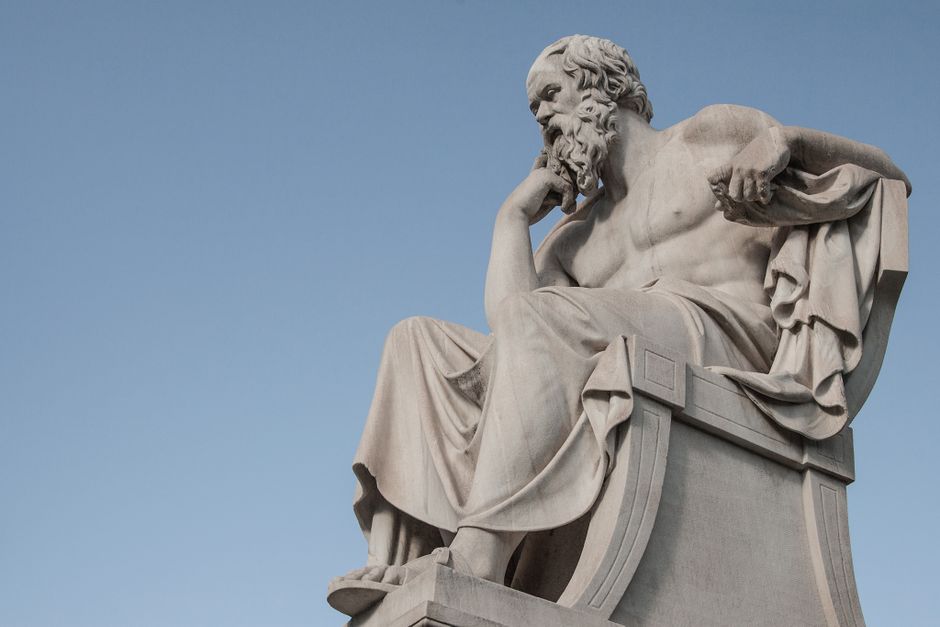
Photo by Anne O'Sullivan on Pexels
Philosophies are systematic studies of fundamental questions about existence, knowledge, values, reason, mind, and language. They provide frameworks for understanding the world and our place in it. Philosophies often generate maxims and attempt to identify universal truths.
Key Branches of Philosophy:
* Metaphysics: What is reality? What exists?
* Epistemology: How do we know what we know? What is truth?
* Ethics: How should we live? What is right and wrong?
* Logic: What is valid reasoning?
Here's how these concepts relate:
graph TD
    A["Philosophies (Big Picture Thinking)"] --> B["Explore Fundamental Questions"];
    B --> C["Seek Universal Truths"];
    B --> D["Generate Maxims (Practical Guidance)"];
    C --> E["Inform Understanding of Reality"];
    D --> F["Guide Human Behavior"];
    E & F --> G["Influence Worldviews & Ethics"];
The Relationship Between Them

Photo by Jessika Arraes on Pexels
Philosophies provide the large-scale intellectual framework. Within these frameworks, philosophers seek to uncover universal truths about the world and human nature. Often, these truths or the principles derived from the philosophy are condensed into maxims to offer practical guidance for everyday life. For instance, an ethical philosophy might argue for a universal truth about human dignity, which then leads to a maxim like "Always act with integrity."
3. Worked Example
Consider the ancient Greek philosophy of Stoicism.
- Philosophy: Stoicism teaches that we should focus on what we can control (our thoughts and actions) and accept what we cannot control (external events). It emphasizes virtue, reason, and living in harmony with nature.
- Universal Truths (as per Stoicism): One key Stoic idea is that human nature thrives on reason and virtue. Another is that suffering often comes from our judgments about events, not the events themselves.
- Maxims (derived from Stoicism):
- "Don't seek for things to happen as you wish, but wish for things to happen as they do, and you will fare well." (Epictetus - focuses on acceptance)
- "The best revenge is not to be like your enemy." (Marcus Aurelius - focuses on self-control and virtue)
- "We are more often frightened than hurt; and we suffer more from imagination than from reality." (Seneca - highlights control over perception)
4. Key Takeaways
- Maxims are short, practical rules for conduct or general truths.
- Universal truths are fundamental principles considered true for everyone, everywhere.
- Philosophies are broad systems of thought that explore fundamental questions.
- Maxims and universal truths often stem from or are supported by philosophical frameworks.
- Understanding these concepts helps you critically analyze different ideas and values.
- They provide tools for self-reflection and decision-making.
Common Mistakes to Avoid:
- Don't confuse a popular maxim with a universal truth; maxims can be culturally specific.
- Avoid thinking of philosophy as just "opinions"; it's a rigorous study with logical arguments.
- Don't dismiss a maxim without considering its underlying wisdom or philosophical basis.
- Forgetting that universal truths can be debated and refined over time through new knowledge.
5. Now Try It
Spend 15 minutes thinking about a significant decision you've recently made or are about to make.
1. Identify any maxims that guided your thinking (e.g., "Honesty is the best policy").
2. Consider if any universal truths played a role (e.g., "Actions have consequences").
3. Reflect on what underlying philosophical ideas (even informal ones) shaped your approach to the decision (e.g., Do you prioritize individual freedom, the greater good, or personal responsibility?).
What success looks like: You can articulate at least one maxim, one perceived universal truth, and a basic philosophical outlook that influenced your decision, showing how these concepts are present in everyday life.
Frequently asked about Introduction to Maxims, Universal Truths, and Philosophies
Study this next
Get the full ZEEV DIO BURON curriculum
Clone the complete plan to your dashboard for unlimited AI-generated notes, practice quizzes, and a personalised revision schedule.
Save this course free