The Biological Foundations of Sexuality
From the Values Education curriculum
TL;DR
Your sexuality is rooted in biology, beginning with your genetics and developing through hormones. These biological factors influence not only your physical characteristics but also contribute to your sexual orientation and identity. Understanding these foundations helps us appreciate the natural diversity of human sexuality.
1. The Mental Model
Think of your body as a complex machine where your genes are the blueprints, and hormones are the master switches. These two biological components set the stage for how your sexuality develops, both physically and in terms of attraction.
2. The Core Material
Your sexuality isn't just about what you feel or choose; it's deeply tied to your biology. Let's break down the key biological players.
Genes and Chromosomes

Photo by Nicola Narracci on Pexels
It all starts with your DNA. Humans typically have 23 pairs of chromosomes, with one pair determining biological sex. Females usually have two X chromosomes (XX), and males typically have an X and a Y chromosome (XY). While this is the most common pattern, variations can occur, leading to intersex conditions where a person's biological characteristics don't fit typical male or female definitions. These genetic blueprints guide the development of primary and secondary sexual characteristics.
Hormones and Their Role
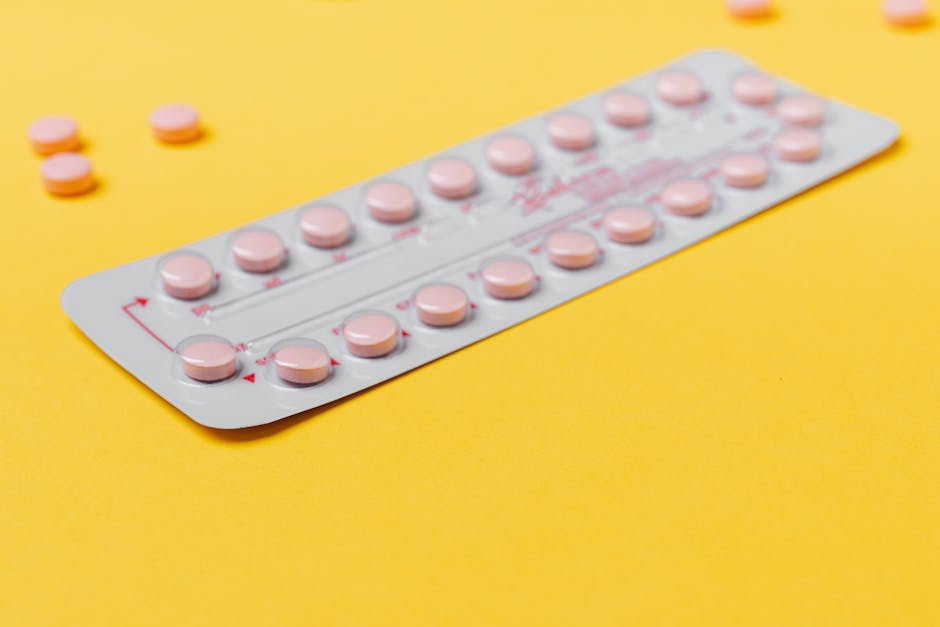
Photo by https://kaboompics.com/ on Pexels
Hormones are powerful chemical messengers in your body that play a crucial role in sexual development and function.
- Prenatal Development: During fetal development, hormones, especially androgens (like testosterone), are critical. Their presence or absence, and the body's sensitivity to them, can shape the developing brain and reproductive organs.
- Puberty: At puberty, a surge of hormones (estrogen and progesterone in females, testosterone in males) triggers the development of secondary sexual characteristics like breast development, growth of facial hair, voice changes, and the ability to reproduce.
- Sexual Desire and Arousal: Hormones continue to influence sexual desire (libido) and arousal throughout life for everyone.
Brain Structures
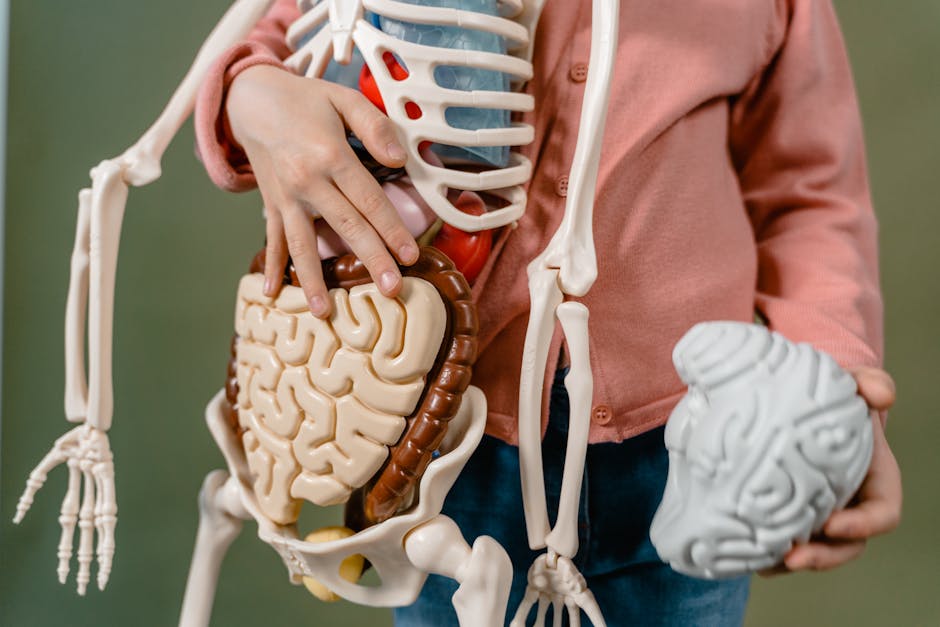
Photo by MART PRODUCTION on Pexels
While research is ongoing, certain brain regions are thought to be involved in sexual behavior and attraction. Differences in brain structure and function, potentially influenced by prenatal hormone exposure, are being explored as possible biological contributors to sexual orientation.
Here's a simple flow of how these biological factors interact:
graph LR
    A["Genetic Makeup (XX, XY, variations)"] --> B["Hormonal Environment (Prenatal)"];
    B --> C["Development of Reproductive Organs"];
    B --> D["Brain Development (Neural Pathways)"];
    C --> E["Primary Sexual Characteristics"];
    D --> F["Influences on Sexual Orientation"];
    E --> G["Puberty (Hormone Surge)"];
    G --> H["Secondary Sexual Characteristics"];
    H --> I["Sexual Maturity & Function"];
    F --> I;
Sexual Orientation and Identity

Photo by Markus Winkler on Pexels
While the exact biological mechanisms are complex and not fully understood, research suggests that biology, particularly genetics and prenatal hormone exposure, plays a significant role in determining sexual orientation. It's not a "choice" but rather an innate part of who you are, much like other biological traits. Gender identity, while influenced by biology, also involves psychological and social factors, representing your internal sense of being male, female, both, or neither.
3. Worked Example
Consider someone with Androgen Insensitivity Syndrome (AIS). Genetically, they are XY (male chromosomes). However, their body's cells don't respond to androgens (male hormones). During prenatal development, despite having testes producing testosterone, the lack of androgen sensitivity means their external genitals develop as female. At puberty, without androgen response, they develop secondary female characteristics due to the action of estrogen (produced by the testes and adrenal glands). This example clearly shows how genetics (XY chromosomes) and hormones (testosterone produced) interact with the body's response to hormones to shape physical sexual development, resulting in a person who is biologically male but develops female characteristics.
4. Key Takeaways
- Your genetic makeup, particularly your sex chromosomes, is the initial blueprint for your biological sex.
- Hormones, especially during fetal development and puberty, critically shape the development of your sexual characteristics and influence brain development.
- Biological factors are considered significant contributors to sexual orientation, suggesting it's an innate trait rather than a choice.
- Variations in genetic and hormonal development can lead to diverse expressions of biological sex, such as intersex conditions.
- Sexuality is a complex interplay of biology, psychology, and social factors, with biology laying the foundational groundwork.
-
Understanding the biological foundations helps foster appreciation for the natural diversity of human sexuality.
-
Don't confuse biological sex (based on chromosomes, hormones, and anatomy) with gender identity (your internal sense of self).
- Avoid thinking of sexual orientation as a conscious decision; biological evidence points to innate influences.
- Don't assume typical XX/XY chromosomes are the only possibilities; intersex variations exist naturally.
- Be careful not to oversimplify the role of any single gene or hormone; it's a complex system.
5. Now Try It
Take 15 minutes to research one specific biological factor (e.g., specific genes, a particular hormone like oxytocin or vasopressin, or a brain region like the hypothalamus) that has been linked to aspects of human sexuality or sexual behavior. Write a short paragraph explaining its proposed role.
What success looks like: You should be able to clearly describe the biological factor and how scientists hypothesize it contributes to an aspect of sexuality (e.g., desire, bonding, orientation), citing a reliable source like a scientific journal abstract or an educational health website.
Frequently asked about The Biological Foundations of Sexuality
Study this next
Get the full Values Education curriculum
Clone the complete plan to your dashboard for unlimited AI-generated notes, practice quizzes, and a personalised revision schedule.
Save this course free