Impacts and Legacies of the Spanish Conquest
From the Humanities exam reveiw curriculum
TL;DR
The Spanish Conquest profoundly reshaped the Americas through disease, violence, and the imposition of new social, economic, and religious systems. Its legacies include enduring cultural fusions, economic exploitation patterns, and ongoing debates about identity and historical justice. Understanding these impacts helps us grasp the origins of modern Latin American societies.
1. The Mental Model
Imagine the Spanish Conquest not just as a war, but as a collision of entire worlds. One world (Europe) brought new technologies, diseases, and ideologies, while another (the Americas) had its own complex societies, beliefs, and ecologies. The resulting "crash" didn't just destroy, it also fused and transformed, creating entirely new realities.
2. The Core Material
The Spanish Conquest of the Americas, primarily in the 15th and 16th centuries, left indelible marks on both the conquerors and the conquered. Its impacts weren't just immediate; they created long-lasting legacies that continue to shape societies today.
Demographic Catastrophe and Social Restructuring

Photo by Mico Medel on Pexels
One of the most immediate and devastating impacts was the demographic collapse of indigenous populations. European diseases like smallpox, measles, and influenza, to which indigenous peoples had no immunity, wiped out millions. Alongside disease, warfare, forced labor, and displacement further decimated populations.
The Spanish then established a rigid caste system (casta system) based on race and origin, placing Europeans at the top, followed by mixed-race individuals (Mestizos, Mulattoes), and then indigenous peoples and enslaved Africans at the bottom. This system determined social status, rights, and economic opportunities for centuries.
Economic Transformation and Exploitation

Photo by Jonathan Borba on Pexels
The Spanish were primarily driven by the search for wealth, particularly gold and silver. They established a mercantilist economic system where raw materials from the Americas were extracted and sent to Spain, enriching the colonizing power.
- Mining: Vast silver mines, like Potosí, fueled the Spanish Empire's wealth but relied on brutal forced labor systems (e.g., the mita system).
- Agriculture: European crops and livestock were introduced, transforming landscapes and diets. The encomienda system, which granted Spanish colonists control over indigenous labor and tribute, effectively enslaved many. Later, large estates called haciendas became dominant.
- Transatlantic Slave Trade: As indigenous populations declined, the Spanish (and other European powers) imported millions of enslaved Africans to work in mines and plantations, adding another layer of demographic and social complexity.
Religious and Cultural Imposition

Photo by Mukhtar Shuaib Mukhtar on Pexels
The Spanish brought Catholicism with them and aggressively sought to convert indigenous populations. This involved:
- Destruction of Indigenous Religions: Temples were torn down, idols destroyed, and traditional religious practices suppressed.
- Syncretism: Despite suppression, many indigenous beliefs and practices blended with Catholicism, creating unique forms of religious expression (e.g., Day of the Dead, veneration of saints with indigenous parallels).
- Language and Education: Spanish became the dominant language, although many indigenous languages persisted. Missionaries established schools, primarily to indoctrinate indigenous youth.
Political and Administrative Systems
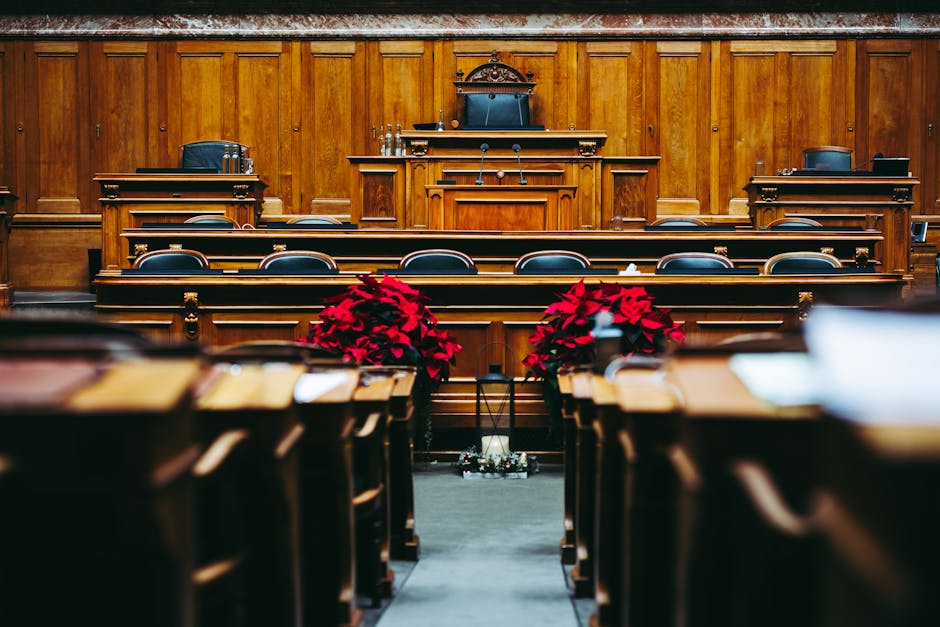
Photo by Christian Wasserfallen on Pexels
Spain established a vast colonial bureaucracy to govern its new territories.
- Viceroyalties: Large administrative divisions (like New Spain and Peru) were created, ruled by viceroys who represented the Spanish king.
- Legal Systems: Spanish law was imposed, often clashing with existing indigenous legal traditions.
- Urbanization: New cities were founded, designed on European grids, becoming centers of administration, trade, and culture.
The long-term effects of these systems include the deep inequalities still present in many Latin American nations, the unique cultural fusions, and ongoing debates about historical reparations and indigenous rights.
graph TD
    A["Spanish Arrival (1492+)"] --> B{Initial Impacts}
    B --> C["Demographic Collapse (Disease, War)"]
    B --> D["Imposition of Spanish Culture & Religion"]
    B --> E["Economic Exploitation (Gold, Silver, Forced Labor)"]

    C --> F["Indigenous Population Decline"]
    F --> G["Increased Demand for African Slave Labor"]

    D --> H["Syncretism (Cultural/Religious Fusion)"]
    D --> I["Suppression of Indigenous Practices"]

    E --> J["Wealth for Spain"]
    E --> K["Development of Haciendas & Mining Systems"]
    E --> L["Transatlantic Slave Trade Expansion"]

    G --> M["Complex Racial Hierarchy (Casta System)"]
    H --> M
    I --> M
    J --> N["Legacy of Economic Dependency"]
    K --> N
    L --> M

    M --> O["Enduring Social Inequality"]
    N --> O

    O --> P["Modern Latin American Societies"]
3. Worked Example
Consider the city of Cusco, Peru, the former capital of the Inca Empire. After its conquest in 1532, the Spanish built their colonial city directly on top of Inca foundations. The Qorikancha, the most sacred Inca temple, was largely dismantled, and the Church of Santo Domingo was built on its walls. Similarly, the palace of the Inca emperor was replaced by Spanish colonial mansions. This isn't just about architecture; it's a physical representation of cultural imposition and syncretism. The durable Inca stonework remains visible beneath and within Spanish structures, symbolizing the resilience of indigenous culture even as it was overlaid and transformed by the conquerors' religion and power. The city's current identity is a direct result of this layered history, where Inca and Spanish elements coexist and blend, creating a unique urban tapestry.
4. Key Takeaways
- The Spanish Conquest led to a catastrophic decline in indigenous populations due to disease, warfare, and forced labor.
- A rigid racial hierarchy (casta system) was established, defining social status and rights for centuries.
- The Spanish extracted vast wealth from the Americas through mining and agriculture, largely benefiting Spain.
- Catholicism and Spanish language were imposed, leading to the suppression of indigenous cultures and the emergence of unique cultural syncretisms.
- Political structures like viceroyalties and new urban centers were established, creating a colonial administrative system.
- Many contemporary issues in Latin America, including social inequality and economic dependency, can be traced back to the conquest's legacies.
- The conquest wasn't just destruction; it was also a process of cultural fusion, creating new mestizo identities and traditions.
Common Mistakes to Avoid:
- Don't assume indigenous cultures completely disappeared; many adapted, resisted, and blended with Spanish influences.
- Avoid oversimplifying the motivations of the Spanish to just "gold"; religious conversion and geopolitical power were also significant.
- Don't forget the significant role of African slavery in shaping the demographics and economies of the Americas.
- Don't view the conquest as a singular event; it was a long, complex process with varying impacts across different regions.
5. Now Try It
Take a specific country in Latin America (e.g., Mexico, Peru, Colombia). Spend 15 minutes researching one specific cultural or economic aspect of that country today. How can you connect that aspect directly back to an impact or legacy of the Spanish Conquest?
What success looks like: You should be able to articulate a clear link, for example: "The prevalence of Catholicism in Mexico is a direct legacy of the Spanish religious imposition and subsequent syncretism with indigenous beliefs, evident in practices like the veneration of the Virgin of Guadalupe."
Frequently asked about Impacts and Legacies of the Spanish Conquest
Study this next
Get the full Humanities exam reveiw curriculum
Clone the complete plan to your dashboard for unlimited AI-generated notes, practice quizzes, and a personalised revision schedule.
Save this course free