Igneous Processes and Rock Classification
From the Igneous and Metamorphic Petrology curriculum
TL;DR
Igneous rocks form from the cooling and solidification of molten rock (magma or lava), with their texture and mineralogy depending on cooling rate and chemical composition. We classify these rocks based on where they form (intrusive vs. extrusive) and their silica content, which dictates their mineral makeup. Understanding these processes helps us interpret Earth's geological history and the conditions under which these rocks formed.
1. The Mental Model
Think of igneous rocks as frozen liquid rock. How fast that liquid freezes, and what it's made of, determines what kind of rock you get. It's like making ice cream: slow freezing makes big crystals, fast freezing makes small ones, and the ingredients change the flavor.
2. The Core Material
Igneous rocks are born from magma (molten rock below the Earth's surface) or lava (molten rock erupted onto the surface). The key factors controlling the type of igneous rock formed are its composition and its cooling rate.
2.1. Intrusive vs. Extrusive Rocks

Photo by Monica Oprea on Pexels
The cooling rate is directly tied to where the magma solidifies:
- Intrusive (Plutonic) Rocks: Form when magma cools slowly beneath the Earth's surface. This slow cooling allows mineral crystals to grow large enough to be seen with the naked eye, resulting in a phaneritic texture. Examples include granite and gabbro.
- Extrusive (Volcanic) Rocks: Form when lava cools rapidly on or near the Earth's surface. Rapid cooling prevents large crystals from forming, leading to very fine-grained (aphanitic) textures, or even glassy textures if cooling is extremely fast. Examples include basalt and rhyolite.
Sometimes, magma can cool in two stages: slowly at depth, then rapidly after eruption. This creates a porphyritic texture, characterized by large crystals (phenocrysts) set in a fine-grained groundmass.
2.2. Chemical Composition and Mineralogy
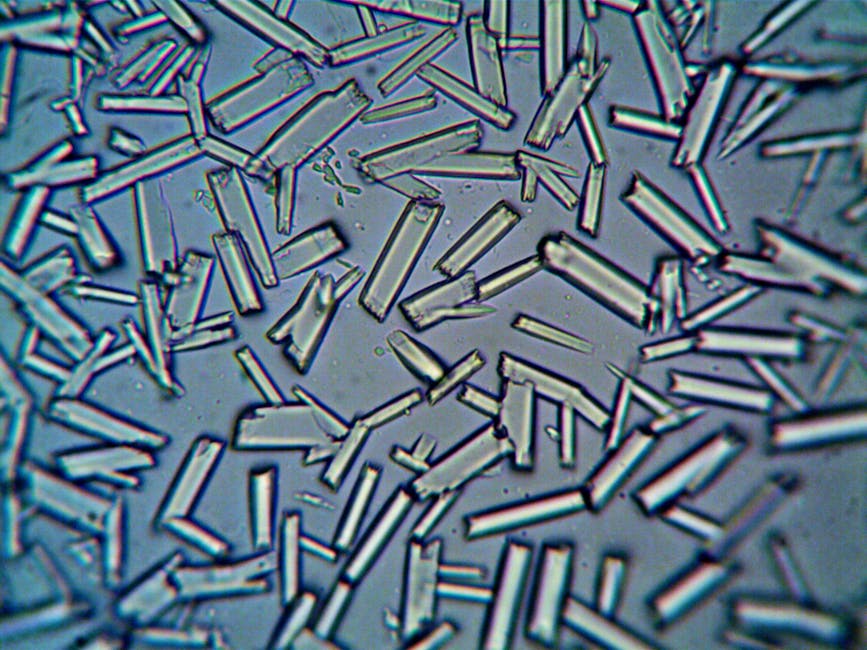
Photo by turek on Pexels
The chemical composition of the magma, primarily its silica (SiO₂) content, is the most important factor determining the minerals that will crystallize and thus the rock's overall classification.
Here's a general breakdown:
- Felsic (Acidic): High silica content (>63% SiO₂). Rich in light-colored minerals like quartz, K-feldspar, and plagioclase feldspar (Na-rich). These magmas are typically viscous.
- Intrusive Example: Granite
- Extrusive Example: Rhyolite
- Intermediate: Moderate silica content (52-63% SiO₂). Contains a mix of light and dark minerals, such as plagioclase feldspar, amphibole, and biotite.
- Intrusive Example: Diorite
- Extrusive Example: Andesite
- Mafic (Basic): Low silica content (45-52% SiO₂). Rich in dark, ferromagnesian minerals like pyroxene, olivine, and Ca-rich plagioclase feldspar. These magmas are typically fluid.
- Intrusive Example: Gabbro
- Extrusive Example: Basalt
- Ultramafic: Very low silica content (<45% SiO₂). Dominated by olivine and pyroxene. These are rare at the surface today but common in the mantle.
- Intrusive Example: Peridotite
- Extrusive Example: Komatiite (very rare, mostly ancient)
The relationship between composition and texture is crucial for classification:
graph TD
    A["Magma/Lava"] --> B{Cooling Environment?};
    B -- Slow Cooling (Intrusive) --> C["Large Crystals (Phaneritic)"];
    B -- Fast Cooling (Extrusive) --> D["Small/No Crystals (Aphanitic/Glassy)"];

    C --> E{Silica Content?};
    D --> F{Silica Content?};

    E -- High SiO2 (Felsic) --> G["Granite"];
    E -- Intermediate SiO2 --> H["Diorite"];
    E -- Low SiO2 (Mafic) --> I["Gabbro"];
    E -- Very Low SiO2 (Ultramafic) --> J["Peridotite"];

    F -- High SiO2 (Felsic) --> K["Rhyolite"];
    F -- Intermediate SiO2 --> L["Andesite"];
    F -- Low SiO2 (Mafic) --> M["Basalt"];
    F -- Very Low SiO2 (Ultramafic) --> N["Komatiite"];
3. Worked Example
Imagine you find a rock in the field. It's dark gray, and you can see individual, interlocking crystals of a dark green mineral (olivine) and a black mineral (pyroxene) with your naked eye.
- Texture: Since you can see individual crystals with the naked eye, the texture is phaneritic. This tells you it's an intrusive rock that cooled slowly.
- Mineralogy/Composition: The presence of olivine and pyroxene, both dark, ferromagnesian minerals, indicates a mafic or ultramafic composition. Given the commonality, mafic is a good first guess.
- Classification: An intrusive rock with mafic mineralogy is gabbro. If it were dominated almost entirely by olivine, it might be peridotite (ultramafic). If it were fine-grained with the same mineralogy, it would be basalt.
4. Key Takeaways
- Igneous rocks form from the solidification of magma (intrusive) or lava (extrusive).
- Cooling rate dictates crystal size: slow cooling = large crystals (phaneritic, intrusive); fast cooling = small/no crystals (aphanitic/glassy, extrusive).
- Silica content primarily determines the rock's mineralogy and color: felsic (high SiO₂, light), intermediate, mafic (low SiO₂, dark), ultramafic (very low SiO₂, very dark).
- Intrusive rocks have coarse textures (e.g., granite, gabbro), while extrusive rocks have fine textures (e.g., rhyolite, basalt).
- Porphyritic textures indicate a two-stage cooling history.
Common Mistakes to Avoid:
- Confusing intrusive and extrusive rocks based solely on color; always consider texture first.
- Assuming all dark rocks are mafic; some felsic rocks can appear dark due to minor dark minerals or weathering.
- Forgetting that composition and texture are both essential for proper classification.
- Mixing up the names of intrusive and extrusive equivalents (e.g., calling granite "extrusive").
5. Now Try It
You're given a hand sample that is light pink, very fine-grained, and has occasional small, glassy crystals embedded within it.
- Describe its texture and what that tells you about its cooling history.
- Infer its likely chemical composition based on its color.
- Classify the rock using the terms we've discussed.
What success looks like: You correctly identify the texture as aphanitic (with some porphyritic elements), infer a felsic composition, and classify it as rhyolite.
Frequently asked about Igneous Processes and Rock Classification
Study this next
Get the full Igneous and Metamorphic Petrology curriculum
Clone the complete plan to your dashboard for unlimited AI-generated notes, practice quizzes, and a personalised revision schedule.
Save this course free