Fundamentals of Marketing and Marketing Management
From the Introduction of marketing curriculum
TL;DR
Marketing is about creating, communicating, delivering, and exchanging offerings that have value for customers, clients, partners, and society at large. Marketing management involves planning, implementing, and controlling these activities to achieve organizational goals. It's all about understanding what people want and effectively meeting those needs.
1. The Mental Model
Think of marketing as a bridge connecting what a business offers with what people need or want. Marketing management is like the architect and builder of that bridge, ensuring it's strong, appealing, and gets people where they want to go.
2. The Core Material
At its heart, marketing is about understanding and satisfying customer needs. It's not just about selling; it's about building relationships and delivering value.
What is Marketing?

Photo by Ann H on Pexels
The American Marketing Association (AMA) defines marketing as "the activity, set of institutions, and processes for creating, communicating, delivering, and exchanging offerings that have value for customers, clients, partners, and society at large."
Let's break down the key parts of this definition:
* Creating Value: This involves developing products or services that solve problems or fulfill desires.
* Communicating Value: Letting potential customers know about these offerings and why they matter.
* Delivering Value: Making products or services accessible to customers.
* Exchanging Value: The transaction where customers give something (usually money) for the value received.
Marketing Management Philosophies

Photo by Walls.io on Pexels
Over time, businesses have approached marketing with different underlying philosophies:
- Production Concept: Focuses on efficiency in production and distribution. The idea is that customers will favor products that are widely available and inexpensive. (e.g., Ford's Model T)
- Product Concept: Believes consumers will favor products that offer the most quality, performance, and innovative features. (e.g., high-end electronics)
- Selling Concept: Emphasizes aggressive selling and promotion efforts. Often used for unsought goods (products buyers don't normally think of buying). (e.g., insurance)
- Marketing Concept: The customer-centric approach. It focuses on understanding and satisfying customer needs and wants more effectively than competitors. This is the dominant philosophy today.
- Societal Marketing Concept: Builds on the marketing concept but also considers society's long-term well-being. It balances customer wants, company profits, and societal interests. (e.g., eco-friendly products, ethical sourcing)
The Marketing Process (Simplified)
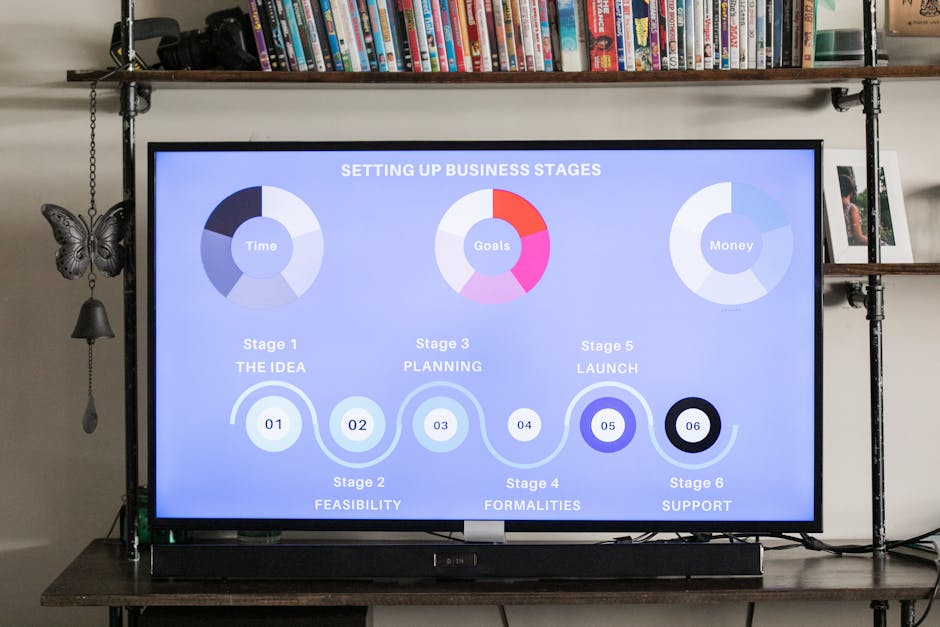
Photo by RDNE Stock project on Pexels
The marketing process generally follows a sequence of steps:
graph LR
    A["Understand Customer Needs & Wants"] --> B["Design a Customer-Driven Strategy"]
    B --> C["Construct an Integrated Marketing Program (4 Ps)"]
    C --> D["Build Profitable Relationships & Create Customer Delight"]
    D --> E["Capture Value from Customers to Create Profits & Customer Equity"]
- Understanding Customer Needs: This involves market research to identify what customers genuinely want and need.
- Designing a Customer-Driven Strategy: Deciding which customers to serve (segmentation and targeting) and how to serve them best (differentiation and positioning).
- Constructing an Integrated Marketing Program (The 4 Ps): This is where you put your strategy into action using the marketing mix:
- Product: The actual goods or services offered.
- Price: How much customers pay.
- Place (Distribution): How the product gets to the customer.
- Promotion: Activities to communicate and persuade customers.
- Building Profitable Relationships: Focusing on customer relationship management (CRM) to attract, keep, and grow customers.
- Capturing Value: Getting customer loyalty, repeat business, and a share of customer spending.
3. Worked Example
Imagine you're launching a new brand of sparkling water.
- Understand Customer Needs: Through surveys and focus groups, you find that many health-conscious consumers want a refreshing drink that's not sugary, has natural flavors, and uses sustainable packaging. They also value convenience.
- Design a Customer-Driven Strategy: You decide to target young, environmentally aware adults who are looking for healthy beverage alternatives. Your unique selling proposition will be "all-natural, refreshing taste in eco-friendly packaging."
- Construct an Integrated Marketing Program (4 Ps):
- Product: Sparkling water with unique natural fruit and herb infusions, no artificial sweeteners, in recyclable aluminum cans.
- Price: Slightly premium, reflecting the natural ingredients and sustainable packaging, but still competitive with other specialty sparkling waters.
- Place: Initially, health food stores, organic cafes, and online grocery delivery services. Later, expand to mainstream supermarkets.
- Promotion: Social media campaigns highlighting health benefits and sustainability, partnerships with fitness influencers, in-store sampling events, and a "recycle and get a discount" program.
- Build Profitable Relationships: Encourage online reviews, respond actively to customer feedback on social media, and offer loyalty discounts for repeat purchases through your website.
- Capture Value: By satisfying your target customers' desire for a healthy, sustainable, and convenient drink, you gain repeat purchases, positive word-of-mouth, and build a loyal customer base, leading to increased sales and profits.
4. Key Takeaways
- Marketing is fundamentally about creating, communicating, delivering, and exchanging value for customers.
- Marketing management applies strategic thinking to achieve organizational objectives through these marketing activities.
- The Marketing Concept, focusing on understanding and satisfying customer needs, is the most prevalent approach today.
- The 4 Ps (Product, Price, Place, Promotion) are the core tools for implementing your marketing strategy.
- Building long-term, profitable customer relationships is a central goal of effective marketing.
Common Mistakes to Avoid:
- Don't confuse marketing with just selling or advertising; it's a much broader process.
- Avoid the "build it and they will come" mentality; always start with understanding customer needs.
- Don't ignore competitors; successful marketing requires understanding both your customers and the competitive landscape.
- Don't neglect any of the 4 Ps; they need to work together harmoniously for your marketing program to be effective.
5. Now Try It
Think of a product or service you use regularly. Spend 15 minutes trying to identify:
1. What core need or want does this product/service fulfill for you?
2. Which marketing management philosophy (Production, Product, Selling, Marketing, Societal) do you think the company primarily uses, and why?
3. Briefly describe how the company uses each of the 4 Ps (Product, Price, Place, Promotion) for this offering.
Success looks like clearly articulating at least one need/want, identifying a plausible marketing philosophy with a brief justification, and giving at least one example for each of the 4 Ps related to your chosen product/service.
Frequently asked about Fundamentals of Marketing and Marketing Management
Study this next
Get the full Introduction of marketing curriculum
Clone the complete plan to your dashboard for unlimited AI-generated notes, practice quizzes, and a personalised revision schedule.
Create Free Account