Introduction to Oral Cavity and Dental Anatomy
From the Human dentition intro curriculum
Introduction to Oral Cavity and Dental Anatomy
TL;DR
You'll learn about the basic parts of your mouth and what they do. We'll cover the main structures like lips, cheeks, tongue, and palate, then dive into the different types of teeth and their jobs. Understanding these basics is crucial for understanding how your mouth functions and how to care for it.
1. The Mental Model
Think of your mouth as the entry point to your digestive system and a key player in communication. It's a complex, multi-purpose chamber where food is prepared, sounds are formed, and taste is experienced.
2. The Core Material
Your oral cavity, or mouth, is more than just where you eat; it's a vital part of your body. It includes many structures, each with a specific role.
The Major Parts of Your Oral Cavity

Photo by Gustavo Fring on Pexels
- Lips (Labia): These are the muscular folds that surround the opening of your mouth. They're important for speech, eating, and expressing emotions.
- Cheeks (Buccae): The fleshy sides of your face, forming the lateral walls of the oral cavity. They help hold food in place during chewing and assist in speaking.
- Tongue: A muscular organ attached to the floor of your mouth. It's crucial for taste, speech articulation, and manipulating food for chewing and swallowing.
- Palate: This forms the roof of your mouth.
- Hard Palate: The front, bony part. It separates your oral cavity from your nasal cavity.
- Soft Palate: The back, muscular part. It moves up during swallowing to prevent food from entering your nasal passage.
- Gingiva (Gums): The soft tissue that surrounds the necks of your teeth and covers the alveolar bone. Healthy gums are pink and firm.
- Salivary Glands: These produce saliva, which helps moisten food, begin digestion, and clean your mouth. You have three main pairs: parotid, submandibular, and sublingual.
- Teeth: The star players! We'll cover them next.
Basic Dental Anatomy
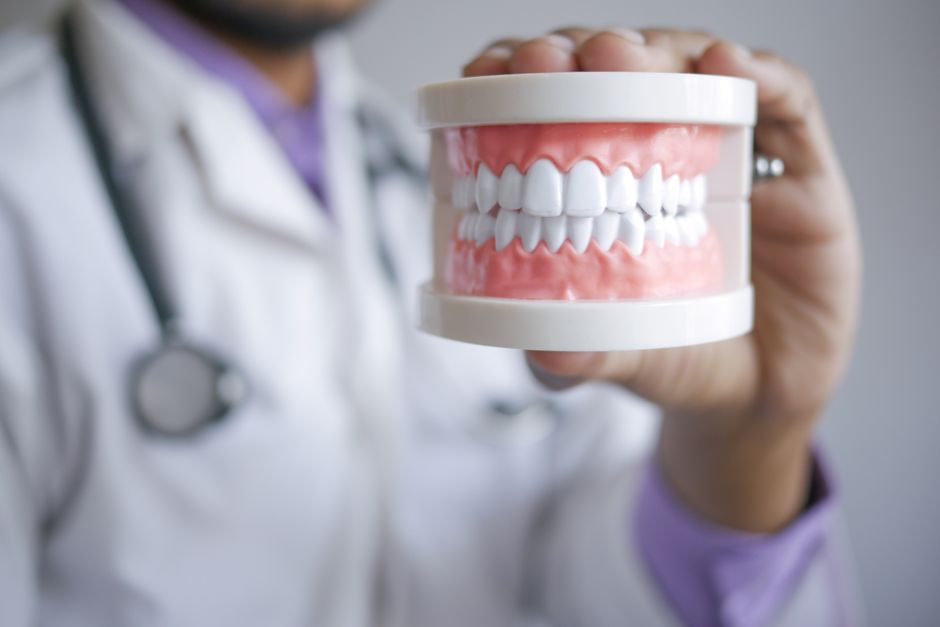
Photo by Towfiqu barbhuiya on Pexels
Each tooth isn't just a bone; it's a living organ. Here are the main parts:
- Crown: The visible part of the tooth, above the gum line.
- Root: The part embedded in the bone, below the gum line. A tooth can have one or multiple roots.
- Enamel: The hardest substance in your body, covering the crown. It protects the tooth.
- Dentin: A layer under the enamel and cementum, making up the bulk of the tooth. It's softer than enamel but harder than bone.
- Pulp: The innermost part of the tooth, containing nerves, blood vessels, and connective tissue. It provides nutrients and sensation to the tooth.
- Cementum: A bone-like tissue covering the root, helping to anchor the tooth to the jawbone via the periodontal ligament.
- Periodontal Ligament: A fibrous tissue that connects the cementum of the tooth root to the alveolar bone. It acts as a shock absorber.
Types of Teeth

Photo by Cedric Fauntleroy on Pexels
You have different teeth for different jobs. Adults typically have 32 permanent teeth.
graph TD
    A["Oral Cavity"] --> B["Lips"]
    A --> C["Cheeks"]
    A --> D["Tongue"]
    A --> E["Palate"]
    E --> E1["Hard Palate"]
    E --> E2["Soft Palate"]
    A --> F["Gingiva (Gums)"]
    A --> G["Salivary Glands"]
    A --> H["Teeth"]
    H --> H1["Crown"]
    H --> H2["Root"]
    H --> H3["Enamel"]
    H --> H4["Dentin"]
    H --> H5["Pulp"]
    H --> H6["Cementum"]
    H --> H7["Periodontal Ligament"]
    H --> I["Types of Teeth"]
    I --> I1["Incisors"]
    I --> I2["Canines"]
    I --> I3["Premolars"]
    I --> I4["Molars"]
Here's a breakdown of the types:
- Incisors (8 total): The four front teeth on both your upper and lower jaws. They're sharp and chisel-shaped, perfect for biting and cutting food.
- Canines (4 total): Located at the corners of your mouth, next to the incisors. They're pointed and cone-shaped, used for tearing food. Think of a dog's fangs!
- Premolars (Bicuspids) (8 total): Located behind the canines. They have two cusps (points) and a flatter surface, used for crushing and grinding food.
- Molars (12 total): The largest teeth, at the very back of your mouth. They have broad, flat surfaces with multiple cusps, designed for heavy grinding and chewing. This includes your wisdom teeth (third molars), which may or may not erupt.
3. Worked Example
Imagine you're eating an apple.
- Your lips open to let the apple in.
- Your incisors bite into the apple, cutting a piece off.
- Your tongue moves the apple piece to the back of your mouth, while your cheeks help keep it between your teeth.
- Your premolars and molars then grind the apple into smaller, manageable pieces, aided by saliva from your salivary glands.
- As you swallow, your soft palate rises to protect your nasal passage, and your tongue pushes the food down your throat.
All this happens while your gingiva supports your teeth and the enamel protects the crowns from the apple's sugars and acids.
4. Key Takeaways
- Your oral cavity is a complex system of structures working together for digestion, speech, and sensation.
- The lips, cheeks, tongue, and palate each play distinct roles in oral function.
- Teeth have a visible crown and embedded root, with layers like enamel, dentin, and pulp.
- Enamel is the hardest substance in your body, protecting the tooth's crown.
- You have four types of permanent teeth: incisors for biting, canines for tearing, and premolars/molars for crushing and grinding.
- The periodontal ligament connects your tooth root to the jawbone, acting as a shock absorber.
- Healthy gums (gingiva) are essential for supporting your teeth.
Common Mistakes to Avoid:
- Don't confuse the hard palate with the soft palate; they have different structures and functions.
- Forgetting that teeth are living structures, not just inert bone.
- Underestimating the role of supporting structures like gums and the periodontal ligament.
- Mixing up the functions of different tooth types (e.g., thinking incisors grind).
5. Now Try It
Spend about 15 minutes in front of a mirror with a small flashlight. Carefully observe the inside of your own mouth. Identify your lips, cheeks, tongue, hard palate, and soft palate. Gently probe your teeth with a clean finger to feel the difference between your sharp incisors, pointed canines, and flatter molars. Notice how your tongue moves and how your cheeks keep your mouth closed. What does success look like? You should be able to point to each structure and briefly describe its primary function without looking at your notes.
Frequently asked about Introduction to Oral Cavity and Dental Anatomy
Study this next
Get the full Human dentition intro curriculum
Clone the complete plan to your dashboard for unlimited AI-generated notes, practice quizzes, and a personalised revision schedule.
Create Free Account