Vocabulary Building Strategies and Resources
From the english words curriculum
Vocabulary Building Strategies and Resources
TL;DR
Learning new words effectively means understanding different learning styles and using varied techniques. You should combine active learning with consistent exposure to new words. Building a strong vocabulary significantly improves your reading, writing, and communication skills.
1. The Mental Model
Learning new words isn't just memorizing definitions; it's about making connections. You're trying to integrate new words into your existing knowledge network, making them accessible and useful when you need them.
2. The Core Material
Building your vocabulary involves both strategies (how you learn) and resources (what you use). It's most effective when you mix things up and find what works best for you.
Active Learning Techniques
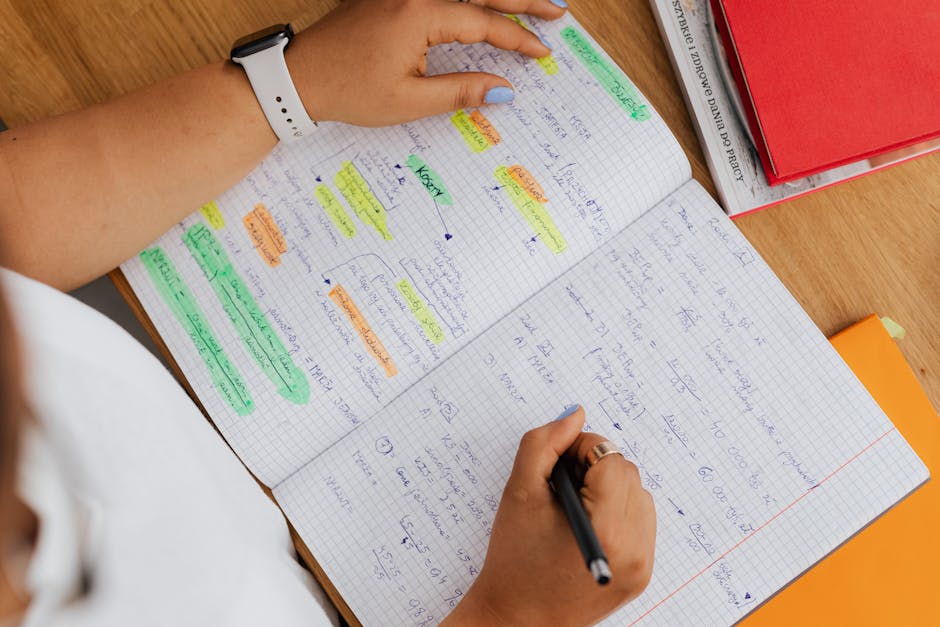
Photo by https://kaboompics.com/ on Pexels
Instead of just reading a word and its definition, engage with it.
- Contextual Clues: When you encounter an unfamiliar word while reading, try to guess its meaning from the surrounding sentences. What's the main idea of the paragraph? What kind of word (noun, verb, adjective) seems to fit?
- Word Roots, Prefixes, and Suffixes: Many English words are built from Latin or Greek parts. Understanding common roots, prefixes (like "un-", "re-"), and suffixes (like "-able", "-tion") can help you decode dozens of words.
- Example: "Unhappy" means "not happy." "Redo" means "do again."
- Flashcards (Digital or Physical): Write the word on one side and its definition, a synonym, an antonym, and an example sentence on the other. Actively recall the meaning before flipping. Spaced repetition systems (like Anki) are highly effective here.
- Sentence Creation: Once you learn a new word, immediately try to use it in a few of your own sentences. This forces you to understand its nuances and correct usage.
Passive Learning and Exposure

Photo by Zx Teoh on Pexels
This involves naturally encountering words and reinforcing your learning.
- Read Widely: The more you read (books, articles, essays), the more new words you'll encounter naturally. Don't be afraid to look up words you don't know, but also practice using context clues first.
- Listen Actively: Pay attention to vocabulary used in podcasts, documentaries, and even conversations.
- Keep a Vocabulary Journal: Jot down new words, their definitions, and sentences you've created. Review it periodically.
Resource Utilization

Photo by Мирон Гиндин on Pexels
Different tools can support your learning journey.
- Dictionaries and Thesauri: Essential for definitions, synonyms, antonyms, and usage examples. Online versions (e.g., Merriam-Webster, Oxford Learner's Dictionaries) often include audio pronunciations.
- Vocabulary Apps: Many apps gamify learning, use spaced repetition, and offer tailored word lists (e.g., Anki, Quizlet, Vocabulary.com).
- Reading Tools: E-readers often have built-in dictionary functions, allowing you to tap an unfamiliar word for its definition.
Here's how these strategies and resources fit together:
graph TD
    A["Encounter New Word"] --> B{"Try Context Clues?"};
    B -- "No, still unclear" --> C["Look Up Definition"];
    B -- "Yes, good guess" --> C;
    C --> D["Identify Roots/Prefixes/Suffixes"];
    D --> E["Create Flashcard/Journal Entry"];
    E --> F["Use in Your Own Sentence"];
    F --> G["Review Regularly (Spaced Repetition)"];
    G --> H["Read Widely/Listen Actively"];
    H --> A;
3. Worked Example
Let's say you're reading an article and come across this sentence: "The ephemeral beauty of the cherry blossoms meant visitors flocked to see them before they faded."
- Context Clues: The phrase "before they faded" suggests the beauty is fleeting or temporary.
- Initial Guess: "Ephemeral" probably means short-lived or temporary.
- Look Up: You quickly look up "ephemeral" in an online dictionary. It confirms: "lasting for a very short time."
- Roots/Prefixes: You might notice it comes from Greek "ephemeros" (lasting only a day), reinforcing its meaning.
- Flashcard/Journal:
- Word: Ephemeral
- Definition: Lasting for a very short time; transient.
- Synonyms: Transient, fleeting, momentary.
- Antonyms: Permanent, eternal, lasting.
- Sentence: "The artist's sand sculptures were beautiful but ephemeral, washed away by the tide."
- Use in a Sentence: You then try to use it in a different context: "Childhood memories often feel ephemeral as you grow older."
- Review: Later, using a flashcard app, you'd review "ephemeral" along with other words, reinforcing its meaning over time.
4. Key Takeaways
- Combine active strategies like guessing from context and making sentences with passive ones like reading.
- Use diverse resources like dictionaries, apps, and e-readers to support your learning.
- Focus on understanding word parts (roots, prefixes, suffixes) to unlock meanings.
- Regularly review new words using techniques like spaced repetition.
- Always try to use new words in your own speaking or writing to solidify your understanding.
Common Mistakes to Avoid:
- Just highlighting words without looking them up or engaging with them.
- Trying to memorize long lists of words without context or application.
- Giving up too quickly if you don't immediately remember a word.
- Only using one learning method; variety is key.
- Not actively reviewing words you've learned.
5. Now Try It
For the next 15 minutes, open a book or article you're currently reading. Identify three unfamiliar words. For each word:
- Try to guess its meaning from context.
- Look it up to confirm or correct your guess.
- Write down the word, its definition, and one original sentence using it.
Success looks like: You've accurately identified the meaning of three new words and successfully integrated them into your own sentences, showing a basic understanding of their usage.
Frequently asked about Vocabulary Building Strategies and Resources
Study this next
Get the full english words curriculum
Clone the complete plan to your dashboard for unlimited AI-generated notes, practice quizzes, and a personalised revision schedule.
Create Free Account