Mastering Irregular Verbs 'Tener' and 'Ser'
From the HW Yr9Sp Vocab curriculum
Mastering Irregular Verbs 'Tener' and 'Ser'
TL;DR
'Tener' means "to have" and is used for possession, age, and some expressions, while 'ser' means "to be" and is for permanent characteristics, origin, and identity. Both are irregular, so memorizing their conjugations is essential to speak Spanish correctly. Getting them right improves your fluency and helps you avoid common mistakes.
1. The Mental Model
Think of 'tener' as things you possess or experience (like age or feelings), and 'ser' as things that define something or someone permanently (like identity or origin).
2. The Core Material
In Spanish, 'tener' (to have) and 'ser' (to be) are two of the most common and important verbs you'll encounter. They're also both irregular, meaning they don't follow typical conjugation patterns, so you'll need to memorize their forms.
Conjugating 'Tener' (to have)
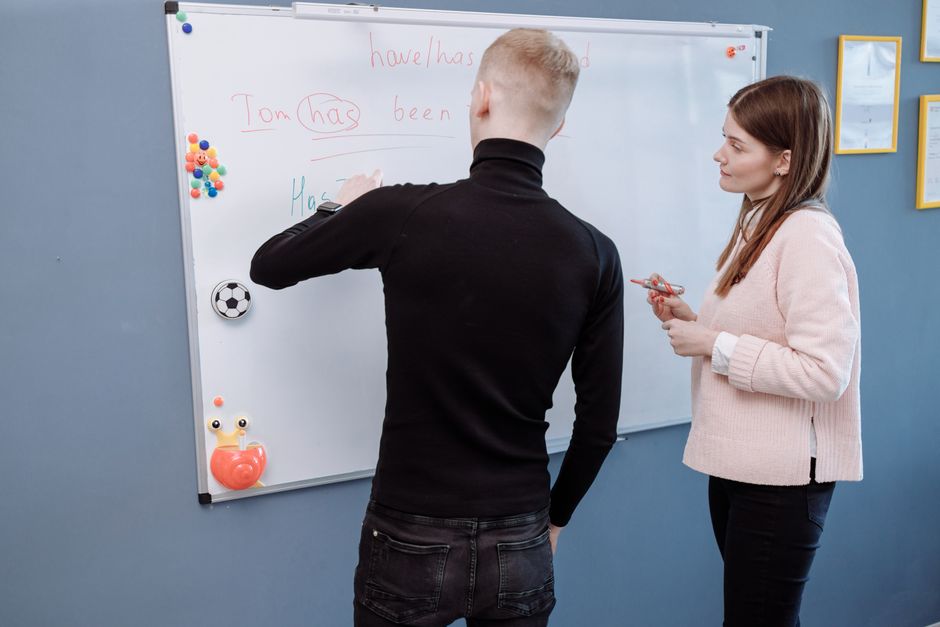
Photo by Thirdman on Pexels
'Tener' is used for:
* Possession: I have a car. (Tengo un coche.)
* Age: I am 15 years old. (Tengo quince años.) - Note: In Spanish, you "have" years.
* Physical sensations/expressions: I am hungry. (Tengo hambre.) I am cold. (Tengo frío.)
Here's how 'tener' changes for each subject pronoun:
| Subject Pronoun | Conjugation |
|---|---|
| Yo (I) | Tengo |
| Tú (You - informal) | Tienes |
| Él/Ella/Usted (He/She/You - formal) | Tiene |
| Nosotros/Nosotras (We) | Tenemos |
| Vosotros/Vosotras (You all - informal, Spain) | Tenéis |
| Ellos/Ellas/Ustedes (They/You all - formal) | Tienen |
Conjugating 'Ser' (to be)

Photo by MELQUIZEDEQUE ALMEIDA on Pexels
'Ser' is used for:
* Identity: I am a student. (Soy estudiante.)
* Origin/Nationality: I am from Spain. (Soy de España.)
* Permanent Characteristics: The car is red. (El coche es rojo.)
* Time/Date: It is 3 o'clock. (Son las tres.)
Here's how 'ser' changes for each subject pronoun:
| Subject Pronoun | Conjugation |
|---|---|
| Yo (I) | Soy |
| Tú (You - informal) | Eres |
| Él/Ella/Usted (He/She/You - formal) | Es |
| Nosotros/Nosotras (We) | Somos |
| Vosotros/Vosotras (You all - informal, Spain) | Sois |
| Ellos/Ellas/Ustedes (They/You all - formal) | Son |
It's crucial to understand when to use each verb. This diagram helps differentiate their main uses:
graph TD
    Start["Determine if 'to be' or 'to have'"] --> OptionA{Is it about ownership, age, or a feeling/expression?}
    OptionA -- Yes --> Tener["Use 'Tener' (to have)"]
    OptionA -- No --> OptionB{Is it about identity, origin, time, or a permanent quality?}
    OptionB -- Yes --> Ser["Use 'Ser' (to be)"]
    OptionB -- No --> End["Re-evaluate situation (or consider 'Estar')"]
3. Worked Example
Let's say you want to introduce yourself and talk about your age and a possession.
"Hi! My name is Ana. I am 14 years old, and I have a dog."
- "My name is Ana." Here, "is" refers to identity. So we use 'ser'.
- Soy Ana. (I am Ana.)
- "I am 14 years old." This is an age statement. In Spanish, you "have" years. So we use 'tener'.
- Tengo catorce años. (I have fourteen years.)
- "I have a dog." This is about possession. So we use 'tener'.
- Tengo un perro. (I have a dog.)
Putting it all together: Hola. Soy Ana. Tengo catorce años y tengo un perro.
4. Key Takeaways
- 'Tener' translates to "to have" and is for possession, age, and specific expressions.
- 'Ser' translates to "to be" and is for identity, origin, nationality, time, and permanent characteristics.
- Both verbs are irregular, so memorize their unique conjugations for all subject pronouns.
- When expressing age, always use 'tener' (e.g., Tengo 15 años).
- 'Tener' is used for physical sensations like hunger (Tengo hambre) or cold (Tengo frío).
- 'Ser' is for describing what something is fundamentally, not its temporary state.
Common Mistakes to Avoid:
- Using 'ser' for age (e.g., Soy 15 años is incorrect).
- Using 'tener' to describe identity or origin (e.g., Tengo estudiante is incorrect).
- Confusing 'ser' with 'estar' (another "to be" verb for temporary states, which you'll learn later).
- Forgetting the stem change in 'tener' for most forms (tengo, tienes, tiene, tienen).
5. Now Try It
Write three sentences about yourself in Spanish. The first should use a form of 'ser' to state your nationality or identity (e.g., "I am [nationality]"). The second should use a form of 'tener' to state your age. The third should use a form of 'tener' to state something you possess.
What success looks like: You'll have three grammatically correct Spanish sentences demonstrating the proper use of 'ser' and 'tener' in different contexts.
Frequently asked about Mastering Irregular Verbs 'Tener' and 'Ser'
Study this next
Get the full HW Yr9Sp Vocab curriculum
Clone the complete plan to your dashboard for unlimited AI-generated notes, practice quizzes, and a personalised revision schedule.
Create Free Account