Introducción a 'La Casa de Bernarda Alba' y Contexto
From the Spanish Bernarda Alba curriculum
Introducción a 'La Casa de Bernarda Alba' y Contexto
TL;DR
'La Casa de Bernarda Alba' es una obra de teatro crucial del escritor español Federico García Lorca, escrita poco antes de su asesinato. Refleja la opresión de las mujeres en la España rural de principios del siglo XX. Entender el contexto histórico y social es clave para apreciar los temas de la obra.
1. The Mental Model
Think of this play as a pressure cooker: Bernarda Alba is the lid, social conventions are the heat, and her daughters are the ingredients bubbling inside. The pressure builds, and eventually, something has to give.
2. The Core Material
Federico García Lorca's 'La Casa de Bernarda Alba' (The House of Bernarda Alba) isn't just a play; it's a powerful statement about life in rural Spain during the early 20th century. Written in 1936, the same year Lorca was tragically killed at the outset of the Spanish Civil War, it’s often seen as the culmination of his dramatic work. You'll find it's a "drama de mujeres en los pueblos de España" (a drama about women in the villages of Spain), a subtitle Lorca himself gave it, highlighting its central focus.
The Author: Federico García Lorca
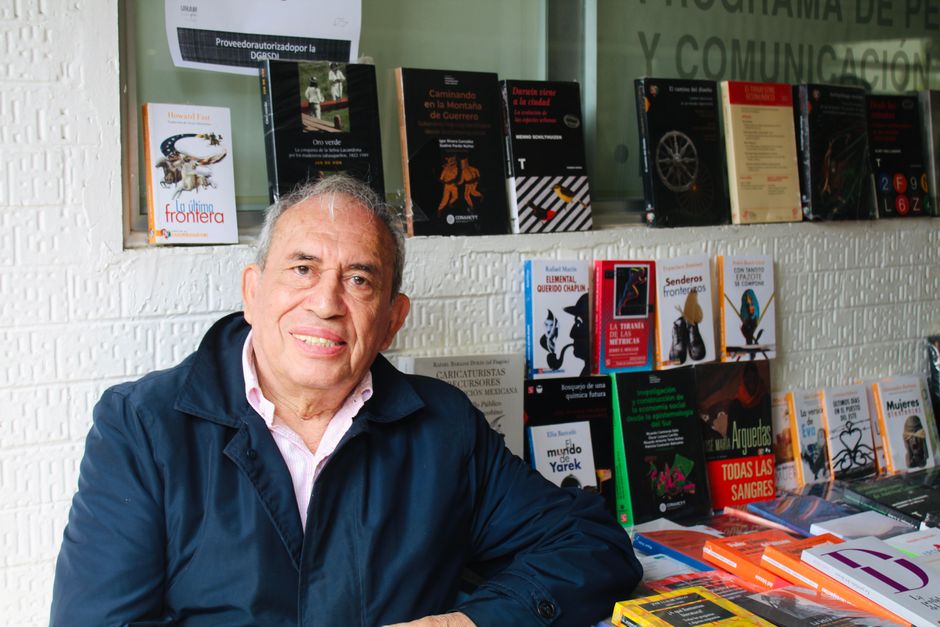
Photo by Dainé Zeferino on Pexels
Lorca was a pivotal figure in the Spanish literary movement known as the Generation of '27. He was a poet, playwright, and director whose work often explored themes of love, death, repression, and the conflict between authority and freedom. His plays, including 'Bodas de sangre' (Blood Wedding) and 'Yerma', are known for their poetic language, symbolic imagery, and deep emotional resonance. His untimely death cemented his status as a martyr for artistic freedom and social justice.
Historical Context: Spain in the 1930s
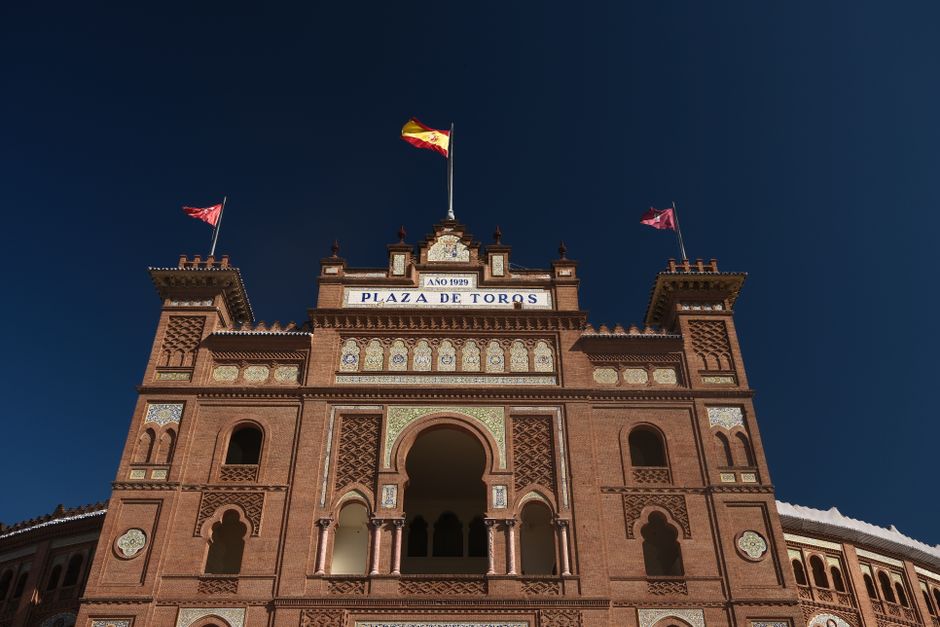
Photo by umut erdem on Pexels
To truly grasp the play, you need to understand the turbulent era it came from. Spain in the 1930s was a deeply divided country, teetering on the brink of civil war.
- Political Instability: The Second Spanish Republic (1931-1939) was a period of significant social and political reform, but also intense conflict between conservative and liberal factions. This instability eventually erupted into the Spanish Civil War (1936-1939), which led to decades of dictatorship under Francisco Franco.
- Rural vs. Urban Divide: The play is set in a rural Andalusian village, far from the modernizing influences of cities. Life in these villages was traditional, often impoverished, and highly influenced by conservative social norms and the Catholic Church.
- Role of the Catholic Church: The Church held immense power and influence, especially in rural areas, dictating moral conduct, gender roles, and social hierarchy. Purity, honor, and adherence to tradition were paramount.
Social Context: Women in early 20th-century Rural Spain
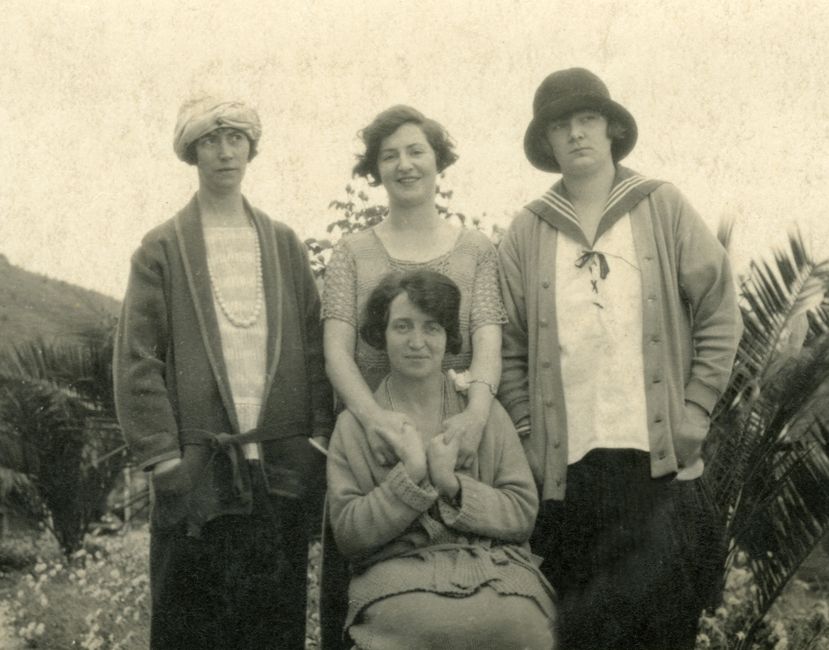
Photo by Brett Jordan on Pexels
This is perhaps the most crucial context for understanding Bernarda Alba's house. Women's lives were severely restricted.
- Subordination to Men: Women were seen primarily in relation to men – as daughters, wives, or mothers. Their honor was tied to their family's reputation and their own virginity before marriage.
- Limited Opportunities: Education, work outside the home, and social independence were largely denied. A woman's main goal was to marry and bear children.
- Repression and Seclusion: Widows, especially, were expected to enter a period of severe mourning and seclusion, reinforcing a life of isolation. The concept of "el qué dirán" (what people will say) was a powerful force, dictating behavior and maintaining a rigid social order.
This diagram illustrates the key influences on the women in Bernarda's household:
graph TD
    A["Historical Context: Spain 1930s"] --> B["Social Context: Rural Andalusia"]
    B --> C["Powerful Catholic Church Influence"]
    B --> D["Strict Gender Roles for Women"]
    C --> E["Emphasis on Purity & Honor"]
    D --> E
    E --> F["'El Qué Dirán' (What people will say)"]
    F --> G["Bernarda Alba's Actions & Rules"]
    G --> H["Oppression of Bernarda's Daughters"]
3. Worked Example
Consider the opening scene where Bernarda declares an eight-year mourning period for her deceased husband: "En ocho años que dure el luto no ha de entrar en esta casa el viento de la calle. Haced cuenta que hemos tapiado con ladrillos puertas y ventanas." (In the eight years that mourning will last, not a breath of street air will enter this house. Make believe we've bricked up the doors and windows.) This isn't just grief; it's a literal enactment of the social custom of strict female seclusion and a demonstration of Bernarda's absolute authority, directly referencing the context of women being shut away from the outside world, especially during mourning.
4. Key Takeaways
- 'La Casa de Bernarda Alba' was written by Federico García Lorca in 1936, a tumultuous year in Spanish history.
- The play is a powerful indictment of the severe repression faced by women in rural Spain during the early 20th century.
- Key contextual elements include the political instability leading to the Spanish Civil War and the powerful influence of the Catholic Church.
- The concept of "el qué dirán" (what people will say) is a dominant social force that dictates the characters' actions and fate.
-
Lorca's work often explores themes of freedom vs. authority, and 'Bernarda Alba' exemplifies this conflict through gender roles.
-
Common Mistakes to Avoid:
- Don't view Bernarda's actions as just personal cruelty; they stem from deeply ingrained societal expectations and fear.
- Don't ignore the play's historical context; it's vital for understanding the characters' limited choices.
- Avoid seeing the daughters as simply rebellious; their desires are often framed by the very society that restricts them.
5. Now Try It
Read the play's opening act, paying close attention to Bernarda's dialogue and the interactions between the servants and the daughters. As you read, make a list of specific rules Bernarda imposes and note down any lines that explicitly refer to "honor," "reputation," or "what people will say."
Success looks like: You'll have a clear understanding of Bernarda's initial dominance and how the societal pressures are immediately established through her words and the setting.
Frequently asked about Introducción a 'La Casa de Bernarda Alba' y Contexto
Study this next
Get the full Spanish Bernarda Alba curriculum
Clone the complete plan to your dashboard for unlimited AI-generated notes, practice quizzes, and a personalised revision schedule.
Create Free Account