Introduction to Biology and Biochemistry
From the bio 32 curriculum
Introduction to Biology and Biochemistry
TL;DR
Biology is the scientific study of life and living organisms, from tiny cells to complex ecosystems. Biochemistry focuses on the chemical processes and substances within living things, explaining how life works at a molecular level. Together, they provide a fundamental understanding of life's structure, function, and interactions.
1. The Mental Model
Think of biology as understanding the "what" and "how" of life itself. Biochemistry is like looking inside that "how" with a magnifying glass, seeing the specific chemical reactions and molecules making everything happen.
2. The Core Material
Biology is a vast field, but it all starts with some fundamental principles. Life is characterized by organization, metabolism (using energy), responsiveness, growth, reproduction, and adaptation through evolution.
The basic unit of life is the cell. Cells can be simple (prokaryotic, like bacteria) or complex (eukaryotic, like animal or plant cells). You'll learn about their structures and functions, like how a plant cell's chloroplasts capture sunlight or how an animal cell's mitochondria produce energy.
Biochemistry delves into the chemical building blocks of life. These are primarily four types of macromolecules:
a. Carbohydrates

Photo by Markus Winkler on Pexels
These are sugars and starches. Their main jobs are energy storage (like glucose or glycogen) and structural support (like cellulose in plants). They're made of carbon, hydrogen, and oxygen.
b. Lipids
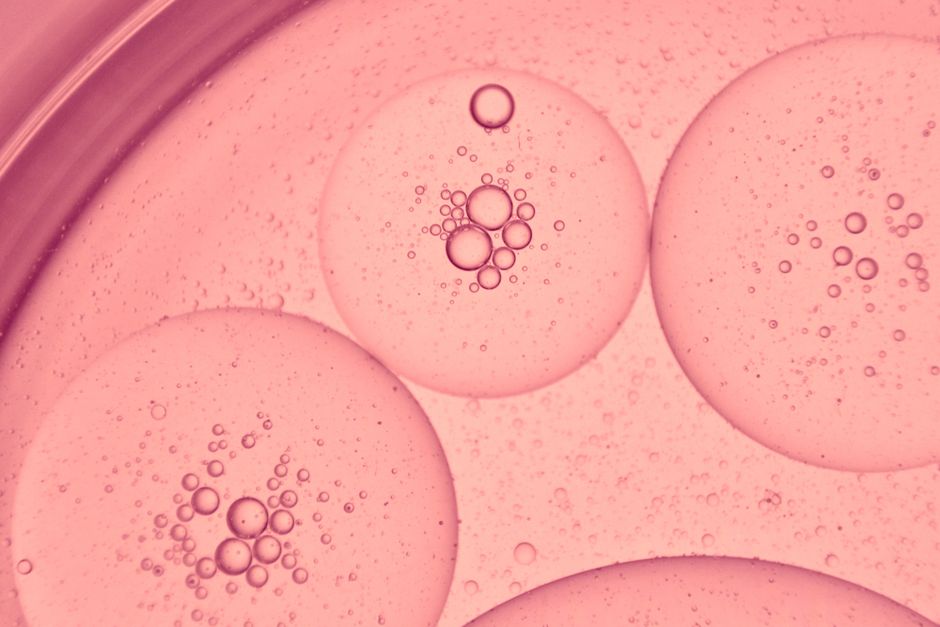
Photo by Luu Thanh Truc on Pexels
Fats, oils, and waxes are lipids. They're good for long-term energy storage, insulation, and forming cell membranes (like phospholipids). They don't mix well with water.
c. Proteins

Photo by Ilo Frey on Pexels
Proteins are incredibly diverse and perform most of the work in cells. They're involved in structure (collagen), transport (hemoglobin), defense (antibodies), and acting as enzymes to speed up chemical reactions. They're made of amino acids linked together.
d. Nucleic Acids

Photo by Marta Branco on Pexels
These carry genetic information. DNA (deoxyribonucleic acid) stores the blueprint for life, and RNA (ribonucleic acid) helps express that blueprint to make proteins. They're made of nucleotides.
These macromolecules interact constantly within the cell, driven by chemical reactions. Many of these reactions are facilitated by enzymes, which are usually proteins. Enzymes act as biological catalysts, speeding up reactions without being used up themselves.
Here's a simplified view of how these main components relate:
graph LR
    A["Organism"] --> B["Organ Systems"]
    B --> C["Organs"]
    C --> D["Tissues"]
    D --> E["Cells"]
    E --> F["Organelles"]
    F --> G["Macromolecules (e.g., Proteins, DNA)"]
    G --> H["Molecules (e.g., Amino Acids, Nucleotides)"]
    H --> I["Atoms"]
3. Worked Example
Let's consider how a simple sugar like glucose (a carbohydrate) fits into this.
When you eat food containing carbohydrates, your body breaks them down into simpler sugars, like glucose. Glucose is then absorbed into your bloodstream and delivered to your cells. Inside your cells, a series of biochemical reactions (part of cellular respiration) occurs. Enzymes catalyze each step, breaking down glucose to release energy. This energy is captured in a molecule called ATP (adenosine triphosphate), which is like the cell's energy currency. The ATP then powers various cellular processes, like muscle contraction or building new proteins. Without the specific enzymes and the glucose molecule, your cells couldn't generate the energy they need to function.
4. Key Takeaways
- Biology is the study of life, from microscopic to global scales.
- Biochemistry focuses on the chemical processes and molecules fundamental to life.
- The cell is the basic structural and functional unit of all known living organisms.
- Life's essential functions include organization, metabolism, growth, reproduction, and adaptation.
- There are four major types of macromolecules: carbohydrates, lipids, proteins, and nucleic acids.
- Proteins, especially enzymes, are crucial for facilitating nearly all biochemical reactions.
- DNA and RNA carry the genetic instructions that guide all life processes.
- Understanding these basic building blocks helps explain how living things grow, function, and interact.
Common mistakes to avoid:
- Confusing the roles of DNA and RNA; DNA stores the master plan, RNA helps execute it.
- Thinking enzymes are consumed in reactions; they only speed them up and can be reused.
- Forgetting that all life, despite its diversity, shares fundamental chemical principles.
- Underestimating the importance of water in biological systems; it's essential for all reactions.
5. Now Try It
Take 15 minutes to describe, in your own words, the primary function of each of the four main macromolecules and provide a simple, everyday example for each (e.g., "Carbohydrates provide energy, like the sugar in a piece of fruit."). Then, explain why enzymes are so important in biochemistry.
Success looks like: You can clearly differentiate the main roles of carbs, lipids, proteins, and nucleic acids with examples, and you understand the catalytic role of enzymes.
Frequently asked about Introduction to Biology and Biochemistry
Study this next
Get the full bio 32 curriculum
Clone the complete plan to your dashboard for unlimited AI-generated notes, practice quizzes, and a personalised revision schedule.
Create Free Account