Pemahaman Membaca Teks Informasi
From the BAHASA INDONESIA curriculum
Pemahaman Membaca Teks Informasi
TL;DR
You'll learn to quickly find the main ideas and important details in Indonesian informational texts. This skill helps you understand factual articles, news, and reports more effectively. It's about getting the key message without getting lost in all the words.
1. The Mental Model
Think of reading informational text like being a detective. You're looking for clues (main ideas, facts) to solve a mystery (what the text is really about). You don't need to memorize every word, just find the crucial pieces of evidence.
2. The Core Material
Understanding informational texts in Bahasa Indonesia means you can grasp the purpose, main idea, and key details of an article, report, or news piece. These texts aim to inform, explain, or persuade with facts.
A. Mengidentifikasi Topik dan Gagasan Utama (Identifying Topic and Main Idea)

Photo by Monstera Production on Pexels
The topik (topic) is the general subject the text is about (e.g., "climate change," "Indonesian cuisine"). The gagasan utama (main idea) is the most important point the author wants to convey about that topic. It's usually a complete sentence.
You can often find the main idea:
* In the first or last sentence of a paragraph.
* Repeated throughout the text in different words.
* Implied, meaning you have to infer it from the supporting details.
B. Menemukan Informasi Rinci (Finding Specific Details)

Photo by Noelle Otto on Pexels
Informasi rinci (specific details) are facts, examples, statistics, or explanations that support the main idea. These answer questions like "who," "what," "where," "when," "why," and "how."
- Skimming: Quickly read through to get a general idea or find keywords.
- Scanning: Look for specific words, dates, or names to pinpoint information.
C. Menyimpulkan Isi Teks (Summarizing the Text)
Photo by DANIELA LAURA GONZALEZ on Pexels
Menyimpulkan means to condense the main points of the text into a shorter version using your own words. A good summary includes the main idea and the most important supporting details, leaving out minor examples or repeated information.
graph TD
    A["Mulai Membaca Teks Informasi"] --> B["Identifikasi Topik Umum"];
    B --> C["Cari Gagasan Utama (per paragraf & keseluruhan)"];
    C --> D["Temukan Informasi Rinci (Kata kunci: siapa, apa, kapan, di mana, mengapa, bagaimana)"];
    D --> E{"Apakah Semua Informasi Penting Sudah Ditemukan?"};
    E -- "Tidak" --> D;
    E -- "Ya" --> F["Hubungkan Gagasan Utama & Informasi Rinci"];
    F --> G["Buat Ringkasan Singkat (dengan kata-kata sendiri)"];
    G --> H["Selesai (Anda Paham Isi Teks)"];
D. Memahami Kosakata Kontekstual (Understanding Contextual Vocabulary)
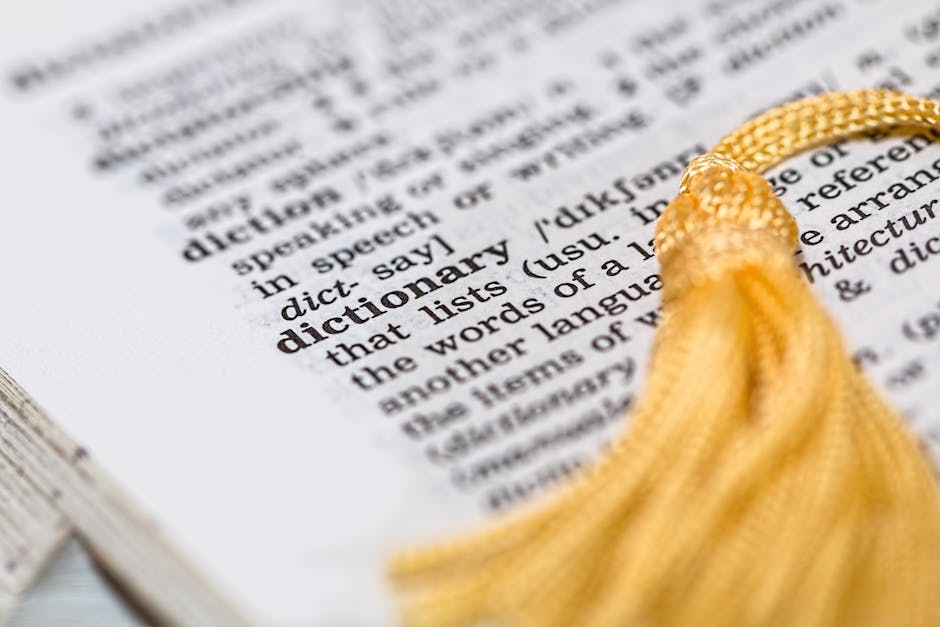
Photo by Pixabay on Pexels
Sometimes you'll encounter unfamiliar words. Don't panic! Try to understand their meaning based on the surrounding sentences or the overall theme of the text. This is called using konteks (context).
- Look for synonyms or antonyms nearby.
- Consider the sentence structure.
- Think about the topic of the text.
3. Worked Example
Let's look at a short text:
Teks:
"Pemanasan global adalah peningkatan suhu rata-rata atmosfer, laut, dan daratan Bumi secara bertahap. Fenomena ini sebagian besar disebabkan oleh peningkatan konsentrasi gas rumah kaca di atmosfer, yang dihasilkan dari aktivitas manusia seperti pembakaran bahan bakar fosil dan deforestasi. Dampak pemanasan global sangat luas, meliputi kenaikan permukaan air laut, perubahan pola cuaca ekstrem, dan ancaman terhadap keanekaragaman hayati. Untuk mengatasi masalah ini, diperlukan tindakan global yang serius, termasuk pengurangan emisi gas dan pengembangan energi terbarukan."
Analysis:
- Topik: Pemanasan global (Global warming).
- Gagasan Utama: Pemanasan global, yang disebabkan oleh aktivitas manusia, memiliki dampak luas dan memerlukan tindakan global untuk mengatasinya.
- Informasi Rinci:
- Apa itu pemanasan global? Peningkatan suhu rata-rata Bumi.
- Penyebab utama? Peningkatan gas rumah kaca dari aktivitas manusia (pembakaran bahan bakar fosil, deforestasi).
- Dampak? Kenaikan permukaan air laut, perubahan cuaca ekstrem, ancaman keanekaragaman hayati.
- Solusi? Tindakan global (pengurangan emisi, energi terbarukan).
- Ringkasan: Pemanasan global adalah naiknya suhu Bumi akibat gas rumah kaca dari kegiatan manusia. Ini menyebabkan banyak masalah seperti naiknya air laut dan cuaca ekstrem, sehingga butuh usaha global untuk mengatasinya, misalnya dengan mengurangi emisi dan pakai energi bersih.
4. Key Takeaways
- Always identify the general topik first to get a sense of the subject.
- The gagasan utama is the single most important message the author wants to convey.
- Use skimming for a quick overview and scanning to find specific facts.
- Ringkasan involves restating the main idea and key details in your own words.
- Context is crucial for understanding unfamiliar vocabulary in informational texts.
- Informational texts aim to educate, so look for facts, explanations, and evidence.
Common mistakes you should avoid:
- Reading every single word slowly, which wastes time and makes you lose the main point.
- Confusing a minor detail for the main idea of a paragraph or text.
- Trying to memorize information instead of understanding its purpose and relationship.
- Ignoring words you don't know instead of trying to understand them from context.
5. Now Try It
Find a short news article (1-2 paragraphs) in Bahasa Indonesia online, perhaps from Kompas.com or BBC News Indonesia. Read it, then write down:
1. The topik (topic).
2. The gagasan utama (main idea) in one sentence.
3. Three informasi rinci (specific details).
4. A ringkasan (summary) of the article in 2-3 sentences, using your own words.
Success looks like you being able to clearly explain the article's core message and supporting facts to someone else without referring back to the original text too much.
Frequently asked about Pemahaman Membaca Teks Informasi
Study this next
Get the full BAHASA INDONESIA curriculum
Clone the complete plan to your dashboard for unlimited AI-generated notes, practice quizzes, and a personalised revision schedule.
Create Free Account