Introduction to Medieval British Literature and Chaucer
From the british poetry curriculum
Introduction to Medieval British Literature and Chaucer
TL;DR
Medieval British literature began around the 5th century and includes Old English, Anglo-Norman, and Middle English periods, showing a transition in language and culture. Geoffrey Chaucer, writing in Middle English, is a central figure, bridging medieval and early modern literary styles. Understanding this era means appreciating how language, society, and storytelling evolved.
1. The Mental Model
Think of medieval literature as a long, winding river with several distinct sections, each representing a shift in language and the stories people told. Chaucer is like a major confluence where many streams—different traditions and influences—come together, creating a powerful, new current in English writing.
2. The Core Material
Medieval British literature spans roughly from the 5th century to the late 15th century. It's not a single, unified thing; rather, it’s a dynamic period marked by invasions, cultural shifts, and the gradual formation of the English language as we know it. We often divide it into three main linguistic phases:
Old English Period (c. 450-1066)
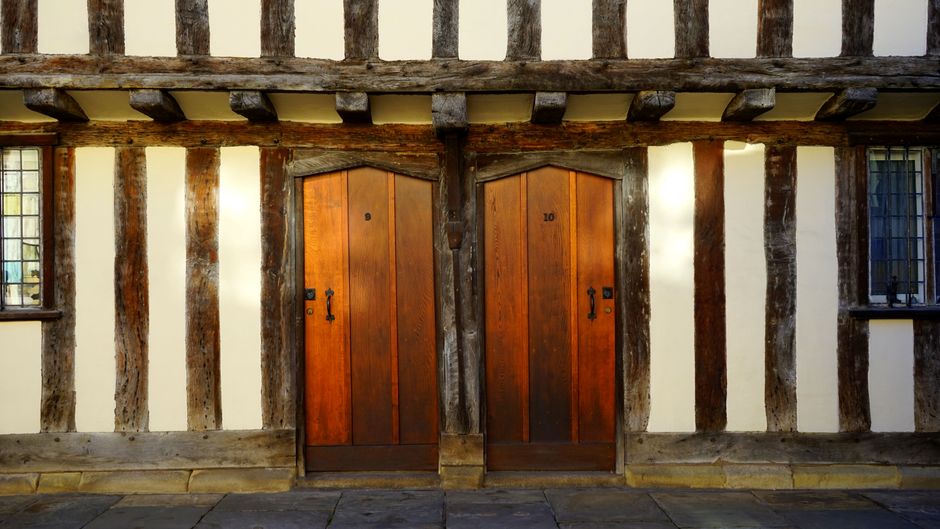
Photo by Mike Bird on Pexels
This era begins with the Anglo-Saxon invasions. The language is very different from modern English, heavily Germanic, and often requires translation. Major works include heroic poems, religious texts, and elegies. Beowulf is the most famous example, an epic poem about a hero battling monsters.
Anglo-Norman Period (1066-c. 1350)

Photo by Sebastian Dziomba on Pexels
The Norman Conquest of 1066 introduced French as the language of the court, law, and literature. Latin remained important for religious and scholarly works. English continued to be spoken by the common people, but it absorbed many French words, evolving into what we call Middle English. During this time, romance (stories of chivalry and adventure) became very popular.
Middle English Period (c. 1350-c. 1500)

Photo by Brett Jordan on Pexels
This is when English re-emerges as the dominant literary language, though still heavily influenced by French and Latin. It's the language of Chaucer, Langland, and the Gawain Poet. This period sees a flourishing of diverse genres, from religious allegories to secular tales and dramas.
Chaucer's Significance
Photo by Ed Duvico on Pexels
Geoffrey Chaucer (c. 1340s-1400) is often called the "Father of English Literature." He wrote primarily in Middle English at a time when French and Latin still held considerable sway. His genius lies in his ability to combine various literary traditions (French romance, Italian epic, Latin rhetoric) with native English storytelling. He used the vernacular language with unprecedented artistry, showcasing its potential for complex narratives, character development, and social commentary.
His masterpiece, The Canterbury Tales, is a collection of stories told by a group of pilgrims traveling to Canterbury. It's famous for its diverse cast of characters, each representing different social classes, and its vivid portrayal of 14th-century English life.
graph TD
    A["Begin: c. 450 CE (Anglo-Saxon Invasions)"] --> B["Old English Period (c. 450-1066)"]
    B --> C["Key Language: Old English (Germanic)"]
    C --> D["Example: Beowulf (Heroic Epic)"]
    D --> E["Major Event: Norman Conquest (1066)"]
    E --> F["Anglo-Norman Period (1066-c. 1350)"]
    F --> G["Key Languages: French (Court), Latin (Church), evolving English (Common)"]
    G --> H["Example: Romances (Chivalric Tales)"]
    H --> I["Shift: English re-emerges in literature"]
    I --> J["Middle English Period (c. 1350-c. 1500)"]
    J --> K["Key Language: Middle English"]
    K --> L["Major Figure: Geoffrey Chaucer"]
    L --> M["Example: The Canterbury Tales (Social Commentary, Diverse Genres)"]
    M --> N["End: c. 1500 (Early Modern Period begins)"]
3. Worked Example
Let's look at a short excerpt from Chaucer's The Canterbury Tales to see how Middle English functions. This is the opening of the General Prologue, describing the arrival of spring:
"Whan that Aprill with his shoures soote,
The droghte of March hath perced to the roote,
And bathed every veyne in swich licour
Of which vertu engendred is the flour;
Whan Zephirus eek with his sweete breeth
Inspired hath in every holt and heeth
The tendre croppes, and the yonge sonne
Hath in the Ram his halve cours yronne,
And smale foweles maken melodye,
That slepen al the nyght with open ye
(So priketh hem nature in hir corages):
Thanne longen folk to goon on pilgrimages..."
Here's a modern English translation to highlight the differences and similarities:
"When April with its sweet showers
Has pierced the drought of March to the root,
And bathed every vein in such liquid
By which power the flower is created;
When Zephyrus also with his sweet breath
Has inspired in every wood and field
The tender young crops, and the young sun
Has run half his course in the sign of Aries,
And small birds make melody,
That sleep all night with open eye
(So nature incites them in their hearts):
Then people long to go on pilgrimages..."
Notice how many words are still recognizable ("Aprill," "sweete," "sonne," "pilgrimages") even if the spelling is different. Other words, like "soote" (sweet), "licour" (liquid/sap), "eek" (also), and "holt" (wood), are either less common or archaic now. The sentence structure is also quite different from modern English, with longer, more complex clauses. This mix of familiar and unfamiliar is characteristic of Middle English.
4. Key Takeaways
- Medieval British literature covers a vast period from the 5th to 15th centuries, marked by significant linguistic shifts.
- The three main periods are Old English, Anglo-Norman, and Middle English, each reflecting different cultural and political influences.
- Old English, like in Beowulf, is heavily Germanic and often needs translation for modern readers.
- The Norman Conquest led to French's dominance in literature, but English continued to evolve, absorbing French vocabulary.
- Geoffrey Chaucer wrote in Middle English, masterfully blending diverse literary traditions and creating vivid character portrayals.
- The Canterbury Tales is a landmark work that showcases Middle English's potential and provides a rich snapshot of medieval society.
- Don't expect to understand Middle English instantly; it's a different language that requires some effort to decipher.
- Don't treat "medieval literature" as a single, homogenous block; it's incredibly diverse in language, genre, and themes.
5. Now Try It
Spend 15 minutes finding another short passage (2-3 sentences) from The Canterbury Tales online (there are many free resources). Try to read it aloud, paying attention to the sounds. Then, look at a modern English translation. What words do you recognize? What new vocabulary do you pick up? What does this tell you about the evolution of the English language? Success looks like identifying at least three words that are similar to modern English and three that are significantly different, and being able to articulate a small insight about the sound or structure of the Middle English.
Frequently asked about Introduction to Medieval British Literature and Chaucer
Study this next
Get the full british poetry curriculum
Clone the complete plan to your dashboard for unlimited AI-generated notes, practice quizzes, and a personalised revision schedule.
Create Free Account