Blood Vessels: Structure and Function
From the Human Transport System curriculum
Blood Vessels: Structure and Function
TL;DR
Your body has a vast network of blood vessels—arteries, veins, and capillaries—each uniquely structured to transport blood efficiently. Arteries carry oxygenated blood away from the heart, veins return deoxygenated blood to it, and capillaries facilitate exchange between blood and tissues. Understanding their differences is key to grasping how your circulatory system works.
1. The Mental Model
Think of your blood vessels as a super-highway system for your body. Arteries are the big, strong highways taking traffic out of the city (your heart), veins are the highways bringing traffic back in, and capillaries are the tiny local roads connecting everything and delivering goods.
2. The Core Material
Your body's circulatory system relies on three main types of blood vessels, each with a specific job and structure optimized for that job.
Arteries: The "Away" Roads
Photo by Sander on Pexels
Arteries are designed to carry blood away from your heart, usually oxygen-rich (except for the pulmonary artery). Because they're close to the heart, they experience high pressure.
- Structure: They have thick, muscular, and elastic walls. This allows them to withstand high pressure and to expand and recoil with each heartbeat, helping to push blood forward.
- Function: Distribute blood from the heart to various parts of your body. The elasticity helps maintain blood pressure between heartbeats.
- Arterioles: These are smaller arteries that branch off to control blood flow into capillary beds.
Capillaries: The Exchange Hubs
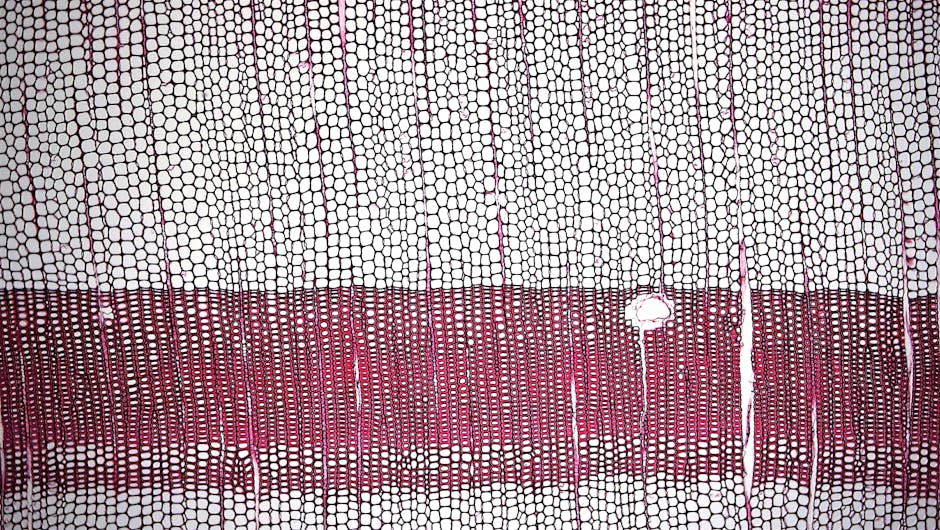
Photo by Fayette Reynolds M.S. on Pexels
Capillaries are the smallest and most numerous blood vessels, forming a vast network within your tissues. This is where the real "exchange" happens.
- Structure: Their walls are incredibly thin—just one cell thick! This thinness is crucial for their function. They're also very narrow, often only wide enough for red blood cells to pass through in single file.
- Function: Facilitate the exchange of oxygen, nutrients, and waste products (like carbon dioxide) between your blood and your body's cells.
- Capillary Beds: Networks of capillaries found throughout almost all tissues.
Veins: The "Return" Roads

Photo by Atahan Demir on Pexels
Veins carry blood back to your heart, usually oxygen-poor (except for the pulmonary veins). Blood pressure is much lower in veins than in arteries.
- Structure: They have thinner and less muscular walls than arteries, as they don't need to withstand high pressure. Many veins, especially in your limbs, have valves to prevent the backflow of blood, as gravity can make it harder for blood to flow upwards.
- Function: Return blood from your body's tissues back to the heart.
- Venules: These are smaller veins that collect blood from capillary beds and merge to form larger veins.
Here's a diagram showing the relationship and general structure:
graph TD
    Heart --> A["Arteries (Thick, muscular walls)"]
    A --> Art["Arterioles"]
    Art --> C["Capillaries (1 cell thick, exchange happens here)"]
    C --> Ven["Venules"]
    Ven --> V["Veins (Thinner walls, often have valves)"]
    V --> Heart
3. Worked Example
Imagine a red blood cell leaving your heart. It first enters a large artery like the aorta. The aorta's thick, elastic walls stretch as the heart pumps, then recoil, helping to propel the cell forward. As it travels down your arm, it moves into progressively smaller arteries, then into an arteriole. This arteriole might constrict or dilate to control blood flow into a specific muscle you're using.
Finally, the cell squeezes through a tiny capillary in that muscle. Here, its oxygen detaches and moves into the muscle cell, while carbon dioxide from the muscle cell enters the red blood cell. Having delivered its cargo, the cell then enters a venule, which merges into a larger vein. As it travels back up your arm, it might pass through a valve in a vein that prevents it from flowing backward due to gravity, especially if you're standing. Eventually, it reaches a major vein (like the vena cava) and returns to your heart, ready to pick up more oxygen from your lungs.
4. Key Takeaways
- Arteries carry blood away from the heart, typically high in oxygen, and have thick, elastic walls.
- Veins carry blood back to the heart, typically low in oxygen, and have thinner walls, often with valves.
- Capillaries are the smallest vessels, with walls only one cell thick, crucial for exchanging gases and nutrients with tissues.
- The elasticity of arteries helps maintain steady blood pressure throughout the body.
- Valves in veins are essential for preventing blood backflow, especially against gravity.
- Arterioles and venules are the smaller branches connecting larger vessels to capillaries.
- Each vessel type is structurally optimized for its specific role in blood circulation.
5. Now Try It
Sketch a simplified diagram of your circulatory system focusing on a loop from your heart to your hand and back. Label the main types of blood vessels (arteries, arterioles, capillaries, venules, veins) and indicate the direction of blood flow in each. Describe in a sentence or two for each vessel type why its structure is suitable for its function in that loop. Success means your diagram clearly shows the pathway and your descriptions highlight the structural-functional relationship for each vessel.
Frequently asked about Blood Vessels: Structure and Function
More from Human Transport System
Get the full Human Transport System curriculum
Clone the complete plan to your dashboard for unlimited AI-generated notes, practice quizzes, and a personalised revision schedule.
Create Free Account