Introduction to Disaster Management
From the evs curriculum
Introduction to Disaster Management
TL;DR
Disaster management is all about preparing for, dealing with, and recovering from bad events. It's not just about reacting; it's a continuous cycle of planning and improving. Understanding this cycle helps you protect people and property better.
1. The Mental Model
Think of disaster management as a continuous loop. You prepare, something bad happens, you respond, then you fix things up, learn from it, and get ready for the next time. It's always active, even when things are quiet.
2. The Core Material
Disaster management isn't just one thing; it's a whole process. It involves different stages that often overlap and feed into each other. You're always trying to reduce risks and make communities tougher against disasters.
2.1 What's a Disaster?

Photo by David McElwee on Pexels
A disaster happens when a serious event (like an earthquake, flood, or pandemic) overwhelms a community's ability to cope using its own resources. It causes widespread losses: human, material, economic, or environmental. It's more than just a bad event; it's about the impact and the lack of local capacity to deal with it.
2.2 The Disaster Management Cycle
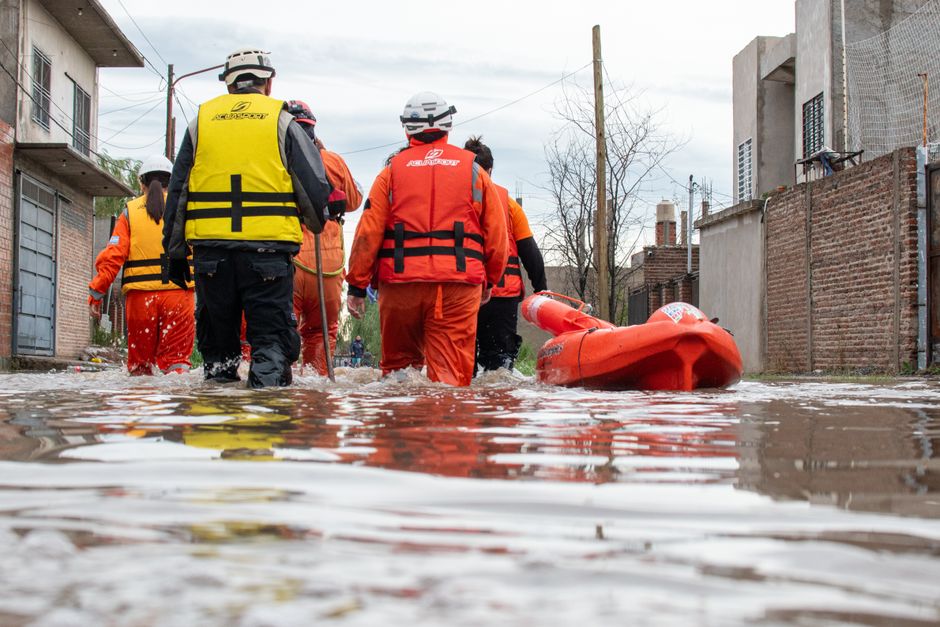
Photo by Juan Moccagatta on Pexels
The core idea is the "Disaster Management Cycle." It's often shown as a circle because its stages aren't strictly linear; they flow into each other.
graph LR
    A["Mitigation (Reduce risks)"] --> B["Preparedness (Get ready)"]
    B --> C["Response (Act during event)"]
    C --> D["Recovery (Rebuild)"]
    D --> A
- Mitigation: This is about reducing the chances of a disaster happening or lessening its effects. Think long-term. Examples: building codes for earthquake-resistant structures, preserving mangroves to protect against storm surges, land-use planning to avoid building in floodplains. It's proactive.
- Preparedness: This is about getting ready for a disaster that might happen. It's about planning what you'll do before it strikes. Examples: developing evacuation plans, stocking emergency supplies, training first responders, public awareness campaigns on what to do during an earthquake. It's about readiness.
- Response: This is what you do during and immediately after a disaster. It's about saving lives, limiting damage, and meeting immediate needs. Examples: search and rescue operations, providing emergency shelter, medical aid, food, and water distribution. It's about immediate action.
- Recovery: This is the process of restoring and improving livelihoods and health, as well as economic, physical, social, cultural, and environmental assets. It can take a long time. Examples: rebuilding homes and infrastructure, restoring essential services (electricity, water), providing psychological support, economic revitalization programs. It's about rebuilding better.
2.3 Key Principles

Photo by Wiredsmart on Pexels
- All-Hazards Approach: Don't just plan for one type of disaster. Many principles apply to floods, fires, and even pandemics.
- Community-Centric: Local communities are the first responders. Their involvement is crucial at every stage.
- Risk Reduction: The ultimate goal is to reduce vulnerability and exposure to hazards.
- Continuous Improvement: After every event, you learn lessons and improve your plans and actions for the next time.
3. Worked Example
Imagine a coastal town, "Seawatch," that's prone to hurricanes.
- Mitigation: Seawatch passes a new building code requiring all new structures within 500 feet of the coast to be elevated and use hurricane-resistant windows. They also start a program to restore coastal dunes and wetlands as natural barriers.
- Preparedness: The town develops a detailed hurricane evacuation plan, identifying routes and shelters. They regularly hold public drills, distribute emergency supply checklists, and train their local fire department and volunteers in swift-water rescue. The mayor also designates a communication center to issue alerts.
- Response: A Category 3 hurricane hits Seawatch. The communication center issues immediate warnings. Emergency services activate the evacuation plan, helping residents to shelters. Search and rescue teams pull people from flooded homes. Local clinics treat injuries. Electricity is out, so generators power critical facilities.
- Recovery: In the weeks and months after, federal aid helps the town clear debris and repair damaged infrastructure. Residents receive assistance to rebuild homes. Psychological support services are offered to those affected. The town reviews its hurricane plan, noting areas for improvement, like needing more accessible shelters. This information then feeds back into their mitigation efforts, perhaps by reviewing flood zone maps or improving early warning systems.
4. Key Takeaways
- Disaster management is a continuous cycle, not a one-time event.
- Mitigation aims to prevent or lessen impact long-term.
- Preparedness focuses on getting ready before a disaster strikes.
- Response is about immediate action during and right after an event.
- Recovery is the long-term process of rebuilding and restoring.
- Community involvement is vital at every stage.
Common Mistakes to Avoid

Photo by KATRIN BOLOVTSOVA on Pexels
- Thinking disaster management only starts after a disaster hits.
- Focusing only on response and ignoring mitigation or preparedness.
- Not involving local communities in planning and execution.
- Failing to learn lessons from past events and update plans.
5. Now Try It
Think about your own home or neighborhood. Spend 15 minutes identifying one thing you could do for each stage of the disaster management cycle related to a common local hazard (e.g., fire, flood, power outage, severe storm). What's one small mitigation step, one preparedness item, how would you respond, and what's one recovery step you might take?
Frequently asked about Introduction to Disaster Management
Study this next
Get the full evs curriculum
Clone the complete plan to your dashboard for unlimited AI-generated notes, practice quizzes, and a personalised revision schedule.
Create Free Account