The HRD Process: Implementation and Evaluation
From the HRD curriculum
The HRD Process: Implementation and Evaluation
TL;DR
After designing an HRD intervention, you need to put it into action effectively and then rigorously check if it actually achieved its goals. Implementation involves careful planning and delivery, making sure the learning environment supports success. Evaluation then systematically measures the program's impact, showing its value and areas for improvement.
1. The Mental Model
Think of it like building and then testing a new car. First, you assemble all the parts and make sure it runs smoothly (implementation). Then, you put it through various performance and safety checks to see if it meets expectations and identify any flaws (evaluation).
2. The Core Material
Once you've identified a training need and designed a program, the next critical steps are putting that program into practice and then measuring its effectiveness. Without proper implementation, even the best-designed program can fail. Without evaluation, you'll never know if your efforts are paying off or how to make them better.
2.1 Implementation: Bringing the Program to Life
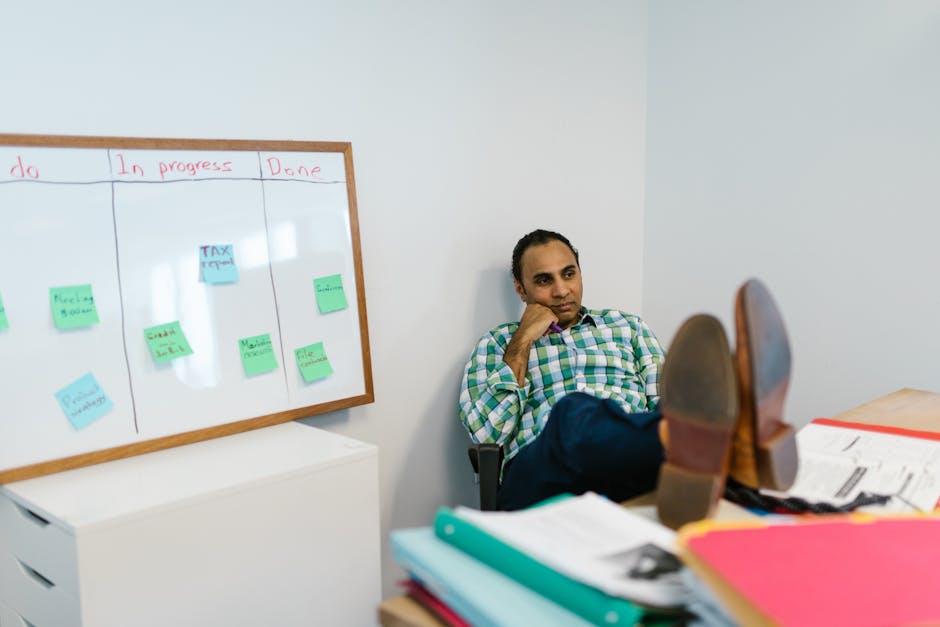
Photo by RDNE Stock project on Pexels
Implementation is about making your HRD program happen. It's more than just delivering content; it's about creating an environment where learning can thrive. Key considerations include:
- Scheduling and Logistics: When and where will the training take place? Who needs to be there? What equipment or materials are required? You need to coordinate everything from room bookings to participant availability.
- Delivery Method: How will the training be delivered? Is it in-person, virtual, blended, self-paced? The chosen method should align with the learning objectives and the audience.
- Facilitator Preparation: If there's an instructor or facilitator, are they well-prepared? Do they understand the content, the learning objectives, and how to engage the participants effectively?
- Learner Engagement: How will you ensure participants are engaged and motivated? This might involve pre-work, interactive exercises, or clear communication about the benefits of the training.
- Supportive Environment: Does the physical or virtual environment support learning? Is it free from distractions? Are there opportunities for practice and feedback?
- Communication: Clearly communicate to all stakeholders (participants, managers, senior leadership) what the program is about, when it's happening, and what's expected.
2.2 Evaluation: Measuring Impact and Value

Photo by Castorly Stock on Pexels
Evaluation is the systematic process of collecting and analyzing information to determine whether an HRD program achieved its intended outcomes. It helps you answer crucial questions like: "Was it worth it?" and "Did people actually learn and apply what they learned?"
A common and very useful framework for evaluating training is Kirkpatrick's Four Levels of Evaluation:
- Reaction: How did participants feel about the training? (e.g., "Did you enjoy it?" "Was the facilitator good?") This is often measured with satisfaction surveys.
- Learning: What did participants learn? (e.g., "Did they gain new knowledge, skills, or change attitudes?") This can be assessed through tests, simulations, or demonstrations.
- Behavior: Did participants change their on-the-job behavior as a result of the training? (e.g., "Are they applying the new skill at work?") This often requires observation, manager feedback, or self-assessment over time.
- Results: What were the tangible organizational outcomes? (e.g., "Did productivity increase?" "Did customer satisfaction improve?" "Did costs decrease?") This is the hardest level to measure as it requires linking training directly to business metrics.
It's important to plan your evaluation strategy before the program starts, so you can collect baseline data if needed.
graph TD
    A["Needs Assessment"] --> B["Program Design"]
    B --> C{"Program Implementation"}
    C --> D["Level 1: Reaction (Surveys)"]
    D --> E["Level 2: Learning (Tests/Demos)"]
    E --> F["Level 3: Behavior (Observation/Feedback)"]
    F --> G["Level 4: Results (KPIs/ROI)"]
    G --> H["Refinement & Future Programs"]
    C -- "Feedback During Delivery" --> B
    G -- "Evaluation Findings" --> A
3. Worked Example
Let's say your company implemented a new "Customer Service Excellence" training for your call center agents.
Implementation:
* You scheduled 3-hour sessions for all 50 agents over two weeks, making sure to stagger them to maintain call center coverage.
* You booked a training room with a projector and prepared role-play scenarios.
* Your two lead trainers reviewed the materials and practiced their delivery, focusing on interactive exercises.
* Agents received a pre-training email outlining the agenda and benefits, emphasizing how it would help them handle difficult calls more effectively.
Evaluation:
1. Reaction (Level 1): Immediately after each session, agents completed a short survey asking: "How relevant was the content?", "Was the trainer engaging?", and "Would you recommend this training?". 90% rated it "Good" or "Excellent."
2. Learning (Level 2): Agents took a short quiz on the new "active listening" techniques and the proper escalation process. They also performed a role-play demonstrating a new de-escalation script. The average quiz score was 85%, and most agents successfully demonstrated the new script.
3. Behavior (Level 3): One month later, call center supervisors observed agents on calls and completed a checklist: "Did the agent use active listening?", "Did they follow the new escalation process?". They also gave specific feedback. Managers reported a noticeable improvement in de-escalation skills.
4. Results (Level 4): Three months post-training, you compared customer satisfaction scores (CSAT) for calls handled by trained agents versus a previous period. You found a 5% increase in CSAT scores and a 10% reduction in escalated calls. This demonstrated a tangible business impact.
4. Key Takeaways
- Effective implementation ensures your well-designed HRD program actually gets delivered and creates a positive learning environment.
- Implementation involves careful planning, logistics, facilitator readiness, and clear communication.
- Evaluation is crucial to determine if your HRD investment is paying off and to identify areas for improvement.
- Kirkpatrick's Four Levels (Reaction, Learning, Behavior, Results) provide a systematic way to measure program effectiveness.
- Plan your evaluation strategy before the program starts, including what data you'll collect and how.
- Link evaluation results back to business outcomes to demonstrate the strategic value of HRD.
- Continuous feedback between implementation and evaluation helps refine programs for future success.
Common Mistakes to Avoid:
* Rushing implementation without proper logistical planning, leading to a chaotic or frustrating experience.
* Skipping evaluation entirely or only focusing on Level 1 (reaction) which doesn't show real impact.
* Failing to connect training content to actual job performance or business results.
* Not communicating the "why" of the training, leading to low participant engagement.
* Ignoring feedback from participants or facilitators during implementation, missing opportunities for real-time adjustments.
* Trying to measure Level 4 (Results) without first establishing baseline data or clearly linking the training to specific KPIs.
5. Now Try It
Think about a hypothetical HRD program your company might implement (e.g., "New Manager Leadership Skills" or "Cybersecurity Awareness"). Draft a short plan (around 5-7 bullet points) detailing how you would implement it and then outline specific metrics or methods you'd use to evaluate it at each of Kirkpatrick's four levels.
Success looks like: A clear, concise plan for both implementation and evaluation, with appropriate and measurable evaluation methods for each level.
Frequently asked about The HRD Process: Implementation and Evaluation
More from HRD
Get the full HRD curriculum
Clone the complete plan to your dashboard for unlimited AI-generated notes, practice quizzes, and a personalised revision schedule.
Create Free Account