The Organizational Context of HRD
From the HRD curriculum
The Organizational Context of HRD
TL;DR
HRD isn't a standalone function; it's deeply embedded in and influenced by the organization it serves. Understanding the organization's strategy, culture, and structure is crucial for effective HRD initiatives. Your role is to align HRD efforts with these broader organizational elements to achieve strategic goals.
1. The Mental Model
Think of HRD as the nervous system of an organization. It connects to and is affected by every other part, working to help the entire body learn, adapt, and grow towards its objectives.
2. The Core Material
For HRD to be effective, you need to understand the 'where' and 'how' it operates. This means looking at the organization's overarching strategy, its internal culture, and its formal structure. These three elements form the organizational context for HRD.
Strategy-HRD Alignment

Photo by Olha Ruskykh on Pexels
An organization's strategy dictates its long-term goals and how it plans to achieve them. HRD must directly support this. If the strategy is to innovate rapidly, HRD needs to focus on training for creativity, agile methodologies, and skill development in emerging technologies. If the strategy is cost leadership, HRD might focus on efficiency training, process optimization, and multi-skilling. Misalignment here means HRD resources are wasted on initiatives that don't move the organization forward.
Culture and HRD
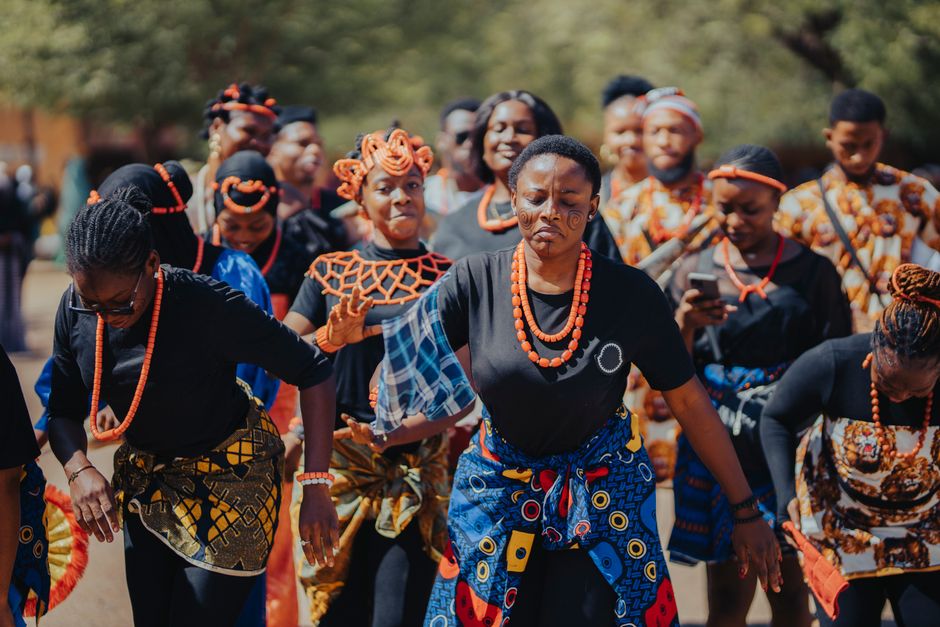
Photo by Skylight Views on Pexels
Organizational culture is "how things are done around here" – the shared values, beliefs, and practices of employees. It influences how people learn, what knowledge is valued, and how change is accepted. A culture that embraces continuous learning will naturally be more receptive to HRD programs. Conversely, HRD can also be a powerful tool to shape culture, for example, by training leaders in new leadership styles or promoting diversity and inclusion through specific programs.
Structure's Impact on HRD

Photo by Mathias Reding on Pexels
The organizational structure defines reporting lines, departments, and communication channels. A highly hierarchical structure might require HRD programs that focus on top-down communication and leadership development at different levels. A flatter, team-based structure might need HRD to emphasize collaboration, team building, and self-management skills. Structure also affects how HRD is delivered (e.g., centralized vs. decentralized training departments) and how knowledge flows through the organization.
graph TD
    A["Organizational Strategy"] --> B["Influences HRD Priorities & Goals"]
    C["Organizational Culture"] --> D["Shapes Learning Behaviors & Values"]
    E["Organizational Structure"] --> F["Determines HRD Delivery & Knowledge Flow"]

    B --> G["Effective HRD Design & Delivery"]
    D --> G
    F --> G

    G --> H["Achieves Organizational Outcomes"]
3. Worked Example
Imagine you're the HRD manager for "QuickShip Logistics," a company whose strategy has shifted from being a low-cost provider to offering premium, high-tech delivery solutions (e.g., drone delivery, AI-powered route optimization).
Their current culture is very traditional, valuing adherence to established procedures over innovation. Their structure is hierarchical, with decision-making centralized.
Your HRD efforts would need to:
1. Align with Strategy: Develop programs to upskill existing staff in AI literacy, drone operation safety, and advanced data analytics. You'd also need to recruit new talent with these skills.
2. Address Culture: Design leadership training that emphasizes adaptability, innovation, and risk-taking. Implement workshops to foster a growth mindset and encourage cross-departmental collaboration on new technologies. Create internal communication campaigns celebrating successful innovations.
3. Navigate Structure: Initially, you might need to run pilot programs within specific departments or create cross-functional innovation teams to bypass traditional silos. As new skills emerge, you might propose structural adjustments, like forming a dedicated "Innovation Lab" unit with its own HRD support.
4. Key Takeaways
- HRD must always be viewed through the lens of the organization's broader context.
- Strategic alignment ensures HRD initiatives contribute to core business objectives.
- Organizational culture significantly impacts how HRD programs are received and succeed.
- Structure dictates how HRD is implemented and how knowledge spreads.
- Effective HRD can also actively shape and evolve an organization's culture and capabilities.
-
HRD is not just about training; it's about developing the organization's capacity to achieve its goals.
-
Common Mistakes:
- Developing HRD programs in isolation without consulting strategic plans.
- Implementing "best practice" training without considering your organization's specific culture.
- Overlooking structural barriers that might impede learning or knowledge transfer.
- Failing to communicate the strategic value of HRD initiatives to leadership.
5. Now Try It
Choose a company you're familiar with (it can be your current employer, a past one, or even a public company you admire). Briefly describe its core strategy, general culture, and basic structure. Then, imagine one HRD initiative you would propose. Explain how this initiative specifically aligns with and addresses each of those three contextual elements. What would make it successful in that specific organization?
Frequently asked about The Organizational Context of HRD
More from HRD
Get the full HRD curriculum
Clone the complete plan to your dashboard for unlimited AI-generated notes, practice quizzes, and a personalised revision schedule.
Create Free Account