Gene Therapy and Medical Applications
From the Unit 5 Biology IAL EDEXCEL Gene technology curriculum
Gene Therapy and Medical Applications
TL;DR
Gene therapy involves introducing healthy genes into a person's cells to treat or prevent disease. It typically uses vectors, like modified viruses, to deliver the new genetic material. While promising for many genetic disorders, ethical concerns and potential risks need careful consideration.
1. The Mental Model
Imagine your body as a machine where some parts (genes) aren't working right. Gene therapy is like replacing or fixing those faulty parts with new, functional ones, allowing the machine to work properly again.
2. The Core Material
Gene therapy aims to correct genetic defects that cause disease. This is done by introducing a functional gene into a patient's cells to replace a missing or faulty one, or by inactivating a gene that's causing problems.
There are two main approaches:
- Somatic gene therapy: This targets body cells (somatic cells) that aren't involved in reproduction. The changes aren't passed on to offspring. This is the most common and currently practiced form of gene therapy.
- Germline gene therapy: This targets reproductive cells (sperm or egg). The genetic changes would be inherited by future generations. This is highly controversial and is not currently performed on humans due to significant ethical and safety concerns.
How it Works: The Delivery System

Photo by Kindel Media on Pexels
The biggest challenge in gene therapy is getting the new gene into the target cells effectively and safely. This usually involves a vector.
Vectors
Most commonly, modified viruses are used as vectors because they're naturally good at infecting cells and delivering their genetic material.
- Adenoviruses: These cause common colds. They can deliver genes to many cell types but the effects are usually temporary as the gene isn't integrated into the host cell's DNA.
- Retroviruses (e.g., Lentiviruses): These, like HIV (modified to be harmless), integrate their genetic material into the host cell's DNA, leading to more permanent expression of the gene. However, there's a risk of insertional mutagenesis, where the inserted gene disrupts a healthy gene or activates an oncogene (cancer-causing gene).
- Adeno-associated viruses (AAVs): These are small viruses that cause mild infections. They can infect both dividing and non-dividing cells and generally don't integrate their DNA into the host genome, making them safer in terms of insertional mutagenesis, but the effects might not be as permanent.
Non-viral methods, like using liposomes (fatty bubbles) or naked DNA injection, are also being explored, but they are generally less efficient at gene delivery.
Steps in Gene Therapy
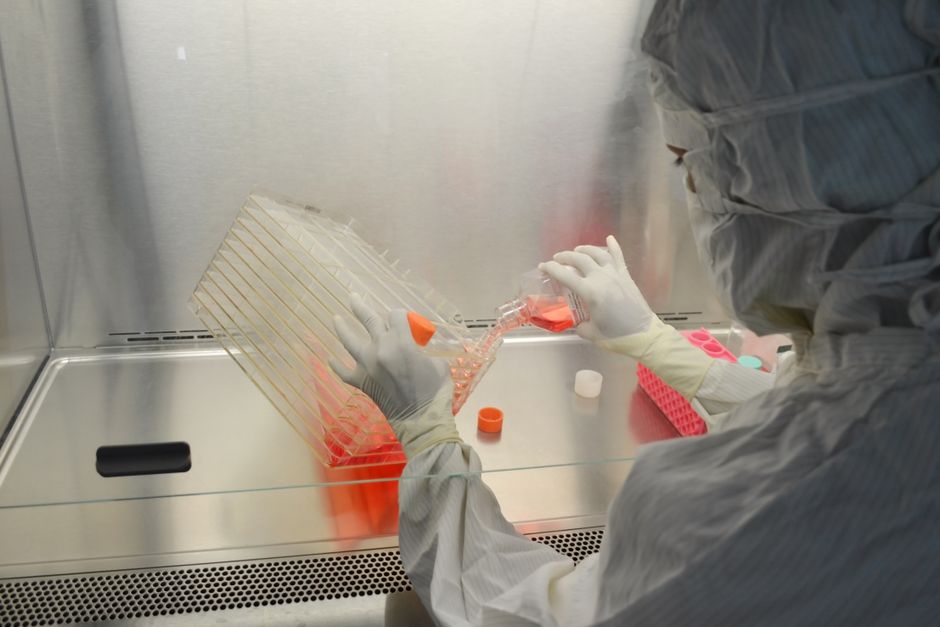
Photo by Satheesh Sankaran on Pexels
Here's a general process for somatic gene therapy:
graph TD
    A["Identify Faulty Gene/Disease"] --> B["Isolate Healthy Gene Copy"];
    B --> C["Choose Suitable Vector (e.g., modified virus)"];
    C --> D["Insert Healthy Gene into Vector"];
    D --> E{"Deliver Vector to Patient"};
    E -- "Ex Vivo (outside body)" --> F["Extract Patient's Cells (e.g., bone marrow)"];
    F --> G["Infect Cells with Vector in Lab"];
    G --> H["Grow and Select Modified Cells"];
    H --> I["Re-introduce Modified Cells to Patient"];
    E -- "In Vivo (inside body)" --> J["Inject Vector Directly into Patient/Affected Tissue"];
    I --> K["Monitor Patient & Gene Expression"];
    J --> K;
Medical Applications

Photo by Carly Dernetz on Pexels
Gene therapy holds promise for a range of diseases:
- Single-gene disorders: Diseases caused by a defect in a single gene, such as Cystic Fibrosis (CF), Sickle Cell Anemia, and Severe Combined Immunodeficiency (SCID, also known as "bubble boy disease").
- Cancer: Gene therapy can be used to introduce genes that make cancer cells more susceptible to chemotherapy, or to boost the immune system's ability to fight cancer.
- Infectious diseases: For example, by introducing genes that inhibit viral replication.
- Neurodegenerative disorders: Research is ongoing for conditions like Parkinson's and Huntington's disease.
Challenges and Ethical Considerations

Photo by Markus Winkler on Pexels
- Specificity and targeting: Getting the gene to the right cells and not others.
- Immune response: The body might attack the viral vector or even the treated cells.
- Durability: How long will the new gene continue to function?
- Insertional mutagenesis: The risk of causing new problems, like cancer, by inserting the gene in the wrong place.
- Cost: Gene therapies are currently extremely expensive.
- Ethical concerns: Especially with germline therapy, questions about "designer babies" and potential unintended long-term consequences.
3. Worked Example
Let's consider a patient with Severe Combined Immunodeficiency (SCID), a genetic disorder where the immune system is severely compromised due to a faulty gene (e.g., adenosine deaminase deficiency, ADA-SCID).
- Identify the problem: The patient has a non-functional ADA gene, leading to a build-up of toxic metabolites and the destruction of immune cells.
- Isolate the healthy gene: A functional copy of the ADA gene is obtained.
- Choose a vector: A modified retrovirus (e.g., lentivirus) is chosen because it can integrate the gene into the host DNA for long-term expression, crucial for continuously producing immune cells.
- Vector preparation: The healthy ADA gene is inserted into the modified retrovirus.
- Ex vivo delivery:
- Some of the patient's bone marrow stem cells (which produce immune cells) are extracted.
- In the lab, these cells are infected with the retrovirus carrying the healthy ADA gene. The virus delivers the gene into the stem cells' DNA.
- The genetically modified stem cells are grown and checked to ensure they have the new gene and are healthy.
- These "fixed" stem cells are then re-infused back into the patient's bone marrow.
- Outcome: The modified stem cells now produce healthy immune cells with a functional ADA gene, restoring the patient's immune system.
4. Key Takeaways
- Gene therapy introduces genetic material into a patient's cells to treat disease.
- Somatic gene therapy affects only the individual, while germline therapy would affect offspring and is ethically complex.
- Modified viruses are the most common vectors for gene delivery due to their efficiency.
- Different viral vectors (adenovirus, retrovirus, AAV) have pros and cons regarding integration and permanence.
- Gene therapy offers potential cures for single-gene disorders, cancers, and other conditions.
- Ethical concerns, immune responses, and the potential for insertional mutagenesis are significant challenges.
Common mistakes to avoid:
- Confusing somatic and germline gene therapy and their ethical implications.
- Thinking all viral vectors integrate into the host genome (e.g., Adenoviruses and AAVs generally don't).
- Underestimating the challenges of targeting, immune response, and safety.
- Believing gene therapy is a universal cure for all genetic diseases right now.
5. Now Try It
Research and describe in 150-200 words how gene therapy could potentially be used to treat Cystic Fibrosis (CF). Specifically mention the type of gene involved, which cells would be targeted, and what vector would likely be considered, explaining your vector choice. What is one major challenge specific to delivering gene therapy for CF? What success looks like: You should clearly identify the gene, target cells, a suitable vector with justification, and a specific challenge, demonstrating your understanding of the core principles.
Frequently asked about Gene Therapy and Medical Applications
Study this next
Get the full Unit 5 Biology IAL EDEXCEL Gene technology curriculum
Clone the complete plan to your dashboard for unlimited AI-generated notes, practice quizzes, and a personalised revision schedule.
Create Free Account