Over-the-Counter (OTC) Labels and Black Box Warnings
From the dosage 5 curriculum
Over-the-Counter (OTC) Labels and Black Box Warnings
TL;DR
You'll learn to quickly read and understand OTC drug labels to ensure safe and effective use. We'll also cover the critical importance of "black box warnings" for certain prescription drugs, indicating severe risks. Being able to interpret these warnings helps you protect yourself and your patients from harm.
1. The Mental Model
Think of OTC labels as a car's dashboard: it tells you what the car does, how to drive it safely, and what to watch out for. Black box warnings are like a "CHECK ENGINE" light, but for extremely serious problems, demanding immediate attention for certain medications.
2. The Core Material
Understanding both OTC labels and black box warnings is crucial for medication safety. OTC labels help you make informed decisions about common ailments, while black box warnings highlight severe risks for potent medications.
OTC Drug Facts Label
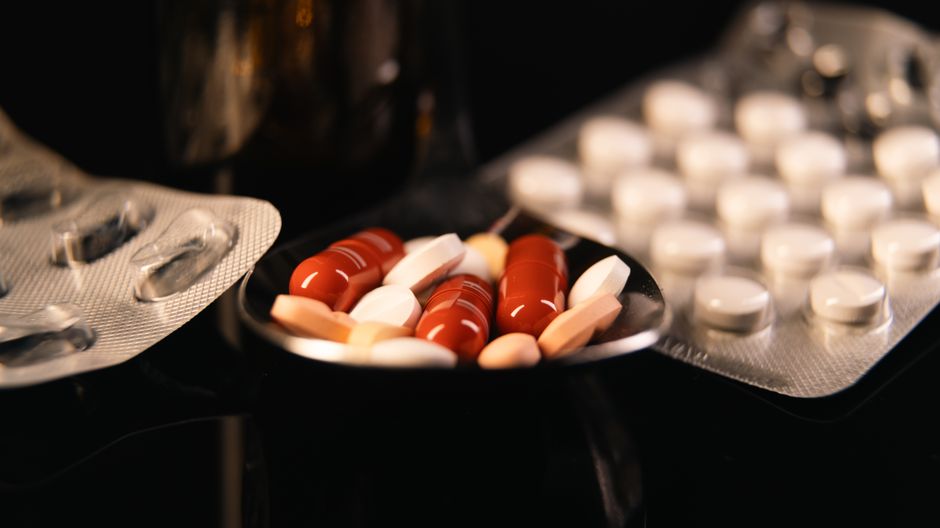
Photo by Bastian Riccardi on Pexels
The FDA requires all OTC medications to have a "Drug Facts" label that's easy to read. It's designed to give you all the necessary information to use the product safely and effectively without a prescription.
Here's what you'll typically find on an OTC label:
- Active Ingredient(s): This tells you what substance actually treats your symptoms and how much of it is in each dose. Always check this to avoid taking too much of the same ingredient from different products.
- Purpose: Explains what the medication is for (e.g., pain reliever, fever reducer, antihistamine).
- Uses: Lists the specific symptoms or conditions the product treats.
- Warnings: This section is vital. It includes:
- When not to use the product.
- Conditions that might require you to ask a doctor or pharmacist first (e.g., liver disease, high blood pressure).
- Possible side effects.
- When to stop use and consult a doctor.
- Pregnancy/breastfeeding warnings.
- Keep out of reach of children.
- Directions: Tells you exactly how much to take, how often, and how to take it (e.g., with food, swallow whole). Don't guess here; follow these precisely.
- Other Information: Storage instructions, important details about ingredients, etc.
- Inactive Ingredients: Substances like fillers, binders, colors
Frequently asked about Over-the-Counter (OTC) Labels and Black Box Warnings
More from dosage 5
Get the full dosage 5 curriculum
Clone the complete plan to your dashboard for unlimited AI-generated notes, practice quizzes, and a personalised revision schedule.
Create Free Account