Normal Microbiota of the Human Body
From the SCMMA curriculum
Normal Microbiota of the Human Body
TL;DR
Your body hosts trillions of microorganisms, collectively called the normal microbiota, which live in a balanced relationship with you. These microbes play crucial roles in your health, from digestion to immune system development, but can cause disease if they get into the wrong place or if their balance is disrupted. Understanding this community helps explain health and disease.
1. The Mental Model
Think of your body as a bustling city, and the normal microbiota as its diverse residents. Most residents are helpful, some are neutral, and a few can cause trouble if given the chance, but everyone generally coexists peacefully unless there's an upset.
2. The Core Material
Your normal microbiota, also known as the normal flora or microbiome, consists of bacteria, archaea, fungi, and viruses that colonize your body without causing disease. In fact, many of them are essential for your well-being. This isn't a static population; it changes over your lifetime due to diet, environment, antibiotics, and other factors.
There are two main types of microbiota:
* Resident microbiota: These are consistently found on or in your body. They're well-adapted to specific sites and re-establish themselves quickly if disturbed. Think of them as the long-term citizens of your body's city.
* Transient microbiota: These are temporary visitors. They can be picked up from the environment but usually can't persist long-term because of competition from residents or your body's defenses. They're like tourists passing through.
How Microbiota Benefit You

Photo by Supplements On Demand on Pexels
The relationship between you and your resident microbiota is mostly mutualistic, meaning both you and the microbes benefit.
* Nutrient production: Gut bacteria produce vitamins (like K and B vitamins) and help digest complex carbohydrates you can't break down on your own.
* Immune system development: Early exposure to diverse microbes helps train your immune system to distinguish between friend and foe.
* Pathogen exclusion (colonization resistance): Resident microbiota occupy niches and consume resources, making it harder for harmful pathogens to establish themselves. They also produce antimicrobial substances.
* Maintaining tissue health: Some skin bacteria help keep skin healthy, and vaginal lactobacilli maintain an acidic pH that prevents yeast infections.
Where Do They Live?

Photo by Ali Kazal on Pexels
Microbes colonize virtually every surface of your body exposed to the outside world, and even some internal areas that aren't sterile.
* Skin: Dominated by Staphylococcus and Propionibacterium.
* Upper Respiratory Tract: Includes Streptococcus, Staphylococcus, and Haemophilus. The lower tract (lungs) is generally considered sterile.
* Gastrointestinal Tract: Your gut is the most heavily populated site, especially the large intestine, with diverse anaerobic bacteria like Bacteroides and Clostridium, plus Escherichia coli.
* Genitourinary Tract: The vagina is dominated by Lactobacillus. The bladder and kidneys are typically sterile, though the distal urethra has some microbes.
graph TD
    Start["Human Body"] --> Skin["Skin (Staphylococcus, Propionibacterium)"]
    Start --> UR_Tract["Upper Respiratory Tract (Streptococcus, Haemophilus)"]
    Start --> GI_Tract["Gastrointestinal Tract (Bacteroides, Clostridium, E. coli)"]
    Start --> GU_Tract["Genitourinary Tract (Lactobacillus in vagina)"]
    Skin --> Benefits_S["Protects, conditions skin"]
    UR_Tract --> Benefits_UR["Trains immunity, prevents pathogens"]
    GI_Tract --> Benefits_GI["Digests food, produces vitamins, trains immunity, excludes pathogens"]
    GU_Tract --> Benefits_GU["Maintains pH, prevents infections"]
    Benefits_S & Benefits_UR & Benefits_GI & Benefits_GU --> Health["Overall Host Health"]

    subgraph Potential Problems
        Disruption["Imbalance (Dysbiosis)"] --> Disease_Risk["Increased Infection/Disease Risk"]
        Misplaced["Microbes in Wrong Site"] --> Infection["Infection (e.g., E. coli in bladder)"]
    end
    Health -.-> Disruption
    Health -.-> Misplaced
When Microbiota Cause Problems (Opportunistic Pathogens)
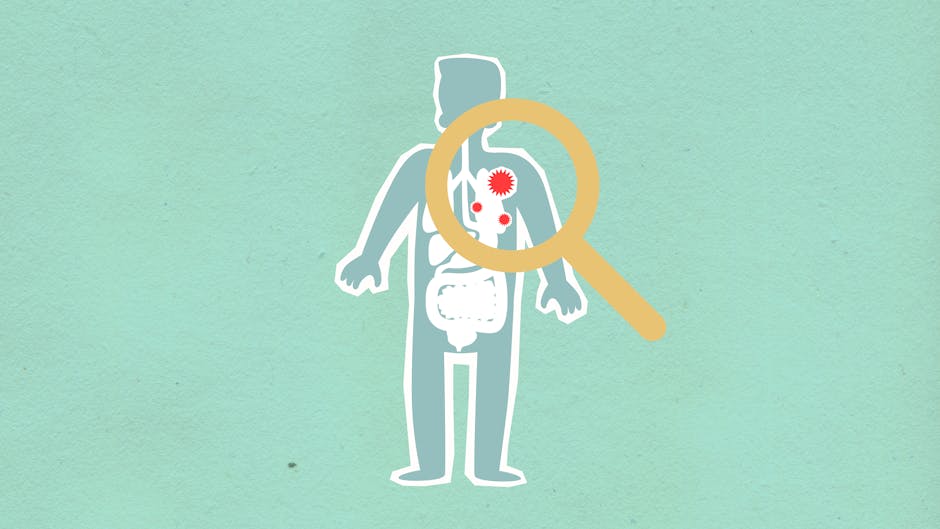
Photo by Monstera Production on Pexels
While generally harmless or beneficial, your normal microbiota can become problematic under certain conditions. These are called opportunistic pathogens:
* Immunocompromise: If your immune system is weakened (e.g., by illness, medication), normally harmless microbes can multiply unchecked and cause disease.
* Displacement: If microbiota move from their usual site to a sterile or inappropriate body site, they can cause infection. For instance, E. coli from the gut is normal, but if it enters the urinary tract, it causes a UTI.
* Dysbiosis: An imbalance in the composition or diversity of the microbiota. For example, antibiotic use can kill beneficial gut bacteria, allowing resistant pathogens like Clostridioides difficile to overgrow and cause severe colitis.
3. Worked Example
Imagine you're prescribed a broad-spectrum antibiotic to treat a bacterial infection in your arm. This antibiotic is very effective, but it doesn't just target the "bad" bacteria; it also kills many of the beneficial bacteria in your gut.
Within a few days, you start experiencing diarrhea. This is a common side effect of antibiotics because the normal gut microbiota that usually keeps your digestive system in balance has been severely disrupted. The reduction in beneficial bacteria allows opportunistic pathogens (like Clostridioides difficile, which might have been present in small numbers but suppressed by healthy microbiota) to proliferate, leading to symptoms. This disruption is a classic example of dysbiosis caused by external factors.
4. Key Takeaways
- Your body is home to trillions of diverse microbes that form your normal microbiota.
- This microbiota is primarily mutualistic, providing essential benefits like digestion, vitamin production, and immune training.
- Different body sites have distinct microbial communities, adapted to their specific environments.
- Normal microbiota prevent pathogens from colonizing by occupying niches and producing antimicrobial substances.
- Disruption (dysbiosis) or displacement of these microbes can turn them into opportunistic pathogens, causing disease.
- Factors like diet, antibiotics, and hygiene significantly influence the composition of your microbiota.
Common mistakes you should avoid:
- Thinking all microbes in or on your body are harmful. Most are beneficial or harmless.
- Believing your entire body is sterile; only specific internal organs/fluids are.
- Underestimating the impact of antibiotics on your overall microbial health.
- Assuming the microbiota is static; it's a dynamic community that changes.
5. Now Try It
Think about a time you took antibiotics. Besides the specific infection it treated, what other effects, if any, did you notice in your body? Based on what you've learned, write a short paragraph explaining how these other effects might be linked to changes in your normal microbiota. What might you do in the future to mitigate such effects?
What success looks like: You'll accurately connect symptoms (like digestive upset, yeast infections) to the concept of dysbiosis or opportunistic overgrowth, and suggest simple, evidence-based mitigation strategies (like probiotics, dietary changes) without overstating their efficacy.
Frequently asked about Normal Microbiota of the Human Body
Study this next
Get the full SCMMA curriculum
Clone the complete plan to your dashboard for unlimited AI-generated notes, practice quizzes, and a personalised revision schedule.
Create Free Account