Introduction to River Systems
From the river enviorenment curriculum
Introduction to River Systems
TL;DR
River systems are dynamic natural channels that collect and transport water, sediment, and dissolved materials from the land to the sea or other water bodies. They're shaped by geology, climate, and human activity, and they constantly change their form and function. Understanding these systems is key to managing water resources and protecting ecosystems.
1. The Mental Model
Think of a river system like the circulatory system of the land. It gathers water from precipitation, carves out its own path, and delivers everything it carries downstream. It's not just a line on a map; it's a living, breathing network.
2. The Core Material
A river system isn't just one river; it's a whole network of interconnected channels. This network includes the main river, its tributaries (smaller rivers or streams that flow into it), and even smaller rills and gullies that feed into those. The entire area of land that drains into a river system is called its drainage basin or watershed.
How Rivers Get Their Water
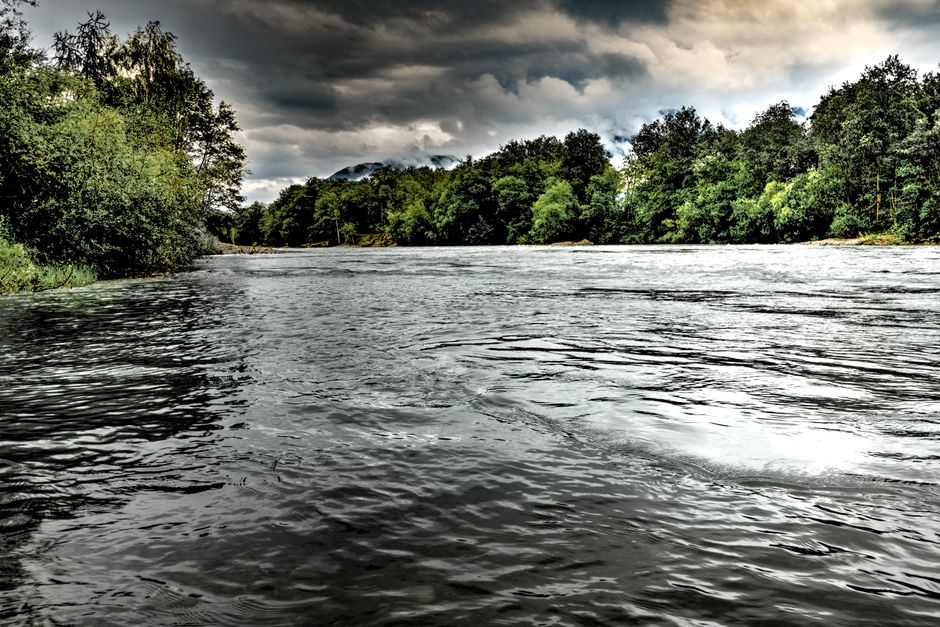
Photo by eberhard grossgasteiger on Pexels
Rivers are primarily fed by precipitation – rain, snow, and ice melt. This water either runs directly over the land surface as overland flow or infiltrates the ground to become groundwater, which then slowly seeps into the river channel. The mix of these two sources largely dictates a river's flow patterns.
The River Channel: Shape and Features
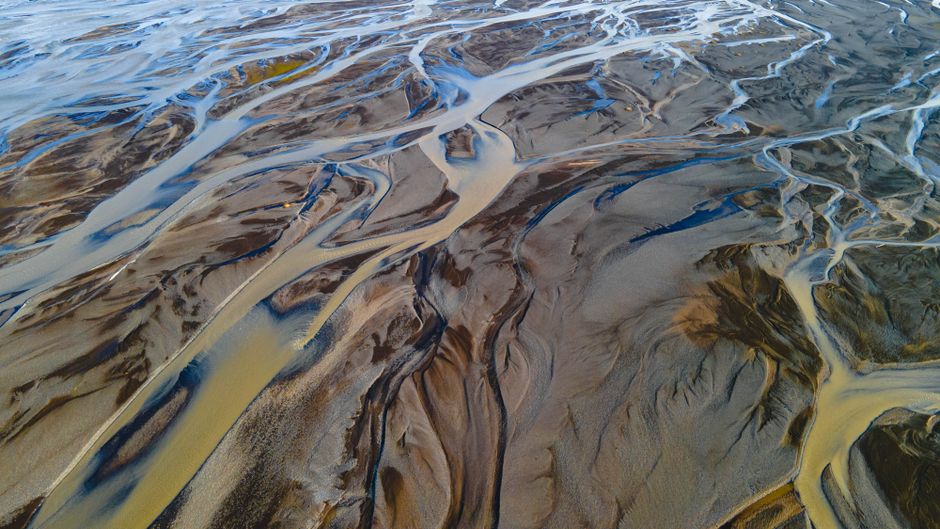
Photo by Denitsa Kireva on Pexels
The shape and size of a river channel are constantly being modified by the water flowing through it. Water erodes material from some areas, transports it, and deposits it in others. This process creates distinct features:
* Meanders: Bends or curves in the river, common in flatter areas.
* Floodplains: Flat areas adjacent to the river channel that are periodically inundated during floods.
* Braided channels: Channels that split into multiple, interconnected strands, often in areas with lots of sediment and fluctuating flow.
* Riffles and Pools: Alternating shallow, fast-flowing (riffles) and deeper, slower-flowing (pools) sections, important for habitat diversity.
The River Continuum Concept
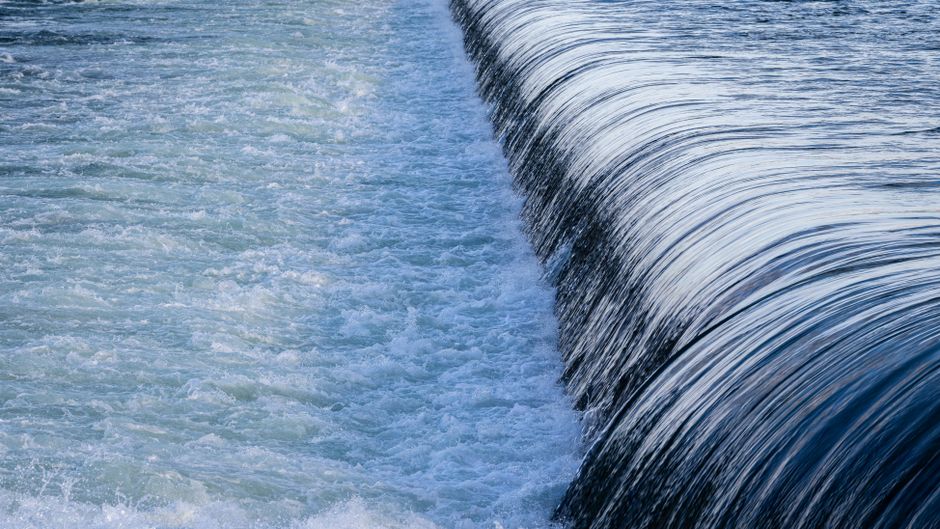
Photo by Ali Soheil on Pexels
The River Continuum Concept (RCC) suggests that as you move from the headwaters (source) of a river downstream towards its mouth, the physical and biological characteristics of the river gradually change. For instance, headwater streams are often narrow, shaded, and rocky, with colder water and organisms that rely on leaf litter. Further downstream, rivers become wider, warmer, and more sediment-rich, with different communities of plants and animals.
graph TD
    A["Precipitation (Rain, Snow)"] --> B["Surface Runoff"]
    A --> C["Groundwater Infiltration"]
    B --> D["Small Rills & Gullies"]
    C --> D
    D --> E["Tributary Streams"]
    E --> F["Main River Channel"]
    F --> G["Delta / Mouth (Ocean, Lake)"]
    subgraph Drainage Basin
        D --- E
        E --- F
    end
What Rivers Transport
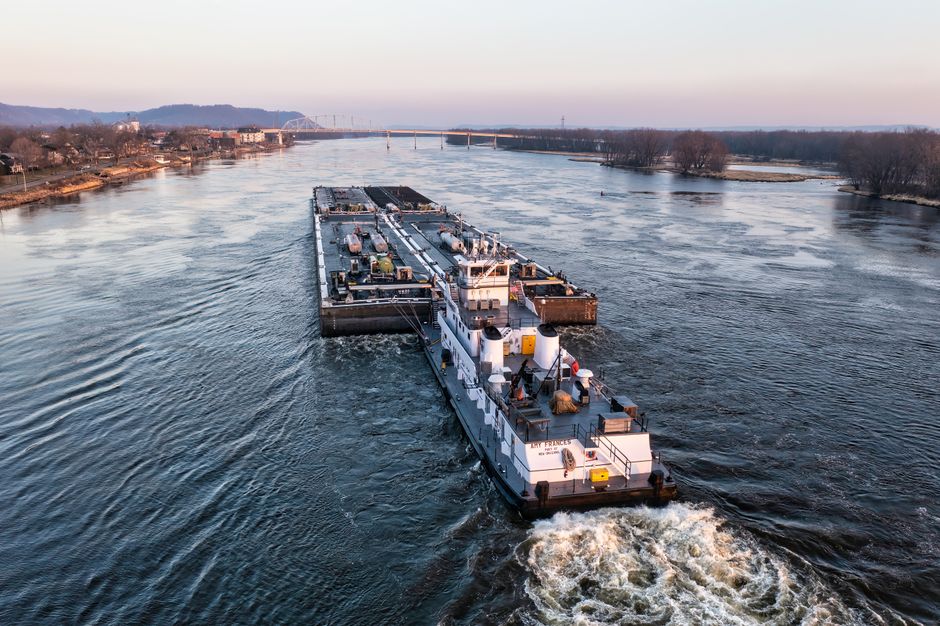
Photo by Tom Fisk on Pexels
Rivers are powerful agents of transport. They move:
* Sediment: Particles of rock, sand, silt, and clay. This is transported as suspended load (fine particles floating in the water), bed load (larger particles rolling or bouncing along the bottom), and dissolved load (minerals dissolved in the water).
* Dissolved materials: Nutrients, pollutants, and other chemicals that are soluble in water.
* Organisms: Fish, insects, seeds, and even larger debris like logs.
Why Rivers Matter
Rivers are vital for many reasons:
* Water Supply: Provide drinking water for humans and irrigation for agriculture.
* Ecosystems: Support diverse habitats for plants and animals, both aquatic and terrestrial.
* Transportation: Historically and currently used for moving goods and people.
* Energy Generation: Hydropower dams harness river flow for electricity.
* Cultural Significance: Many civilizations have developed along rivers.
3. Worked Example
Let's consider a hypothetical river, the "Willow Creek."
Willow Creek originates from snowmelt in a mountain range. At its headwaters, it's a cold, narrow stream (1-2 meters wide), flowing quickly over rocky beds. It's heavily shaded by coniferous trees, and the primary food source for aquatic insects is fallen leaves.
As Willow Creek flows downstream for about 50 kilometers, it merges with several other streams (its tributaries). The channel widens to 10-15 meters, the slope lessens, and the water becomes warmer and carries more fine sediment. Here, you start seeing small meanders forming. Fish species like trout are replaced by bass and catfish. The flood plain, which was non-existent upstream, starts to become noticeable, showing evidence of past floods.
Further downstream, Willow Creek enters a flatter agricultural valley. It's now a significant river, perhaps 50 meters wide, with a much slower current. Its bed is silty, and it forms broad, sweeping meanders across a wide floodplain. During heavy rains, this floodplain regularly floods, depositing nutrient-rich sediment on farmlands. It transports a large suspended load of fine particles from upstream erosion, giving the water a murky appearance. Eventually, Willow Creek flows into a larger river, contributing its water and everything it has collected along its journey.
4. Key Takeaways
- River systems are interconnected networks of channels that collect and transport water and materials across landscapes.
- The drainage basin is the total land area that contributes water to a specific river system.
- Rivers get their water from both surface runoff and groundwater, which influence their flow characteristics.
- River channels are dynamic, constantly changing shape through erosion, transport, and deposition, creating features like meanders and floodplains.
- Rivers transport sediment (suspended, bed, dissolved load) and dissolved materials, shaping the landscape and impacting downstream environments.
- Understanding river systems is crucial for water management, ecological conservation, and resource planning.
Common Mistakes to Avoid
- Don't confuse a single river with an entire river system or its drainage basin.
- Don't think of rivers as static lines; remember they are constantly changing and shaping their environment.
- Don't forget that what happens upstream significantly impacts downstream conditions.
- Don't overlook the role of groundwater; it's a vital, often unseen, contributor to river flow.
5. Now Try It
Draw a simple sketch of a landscape and try to identify potential headwaters, tributaries, a main river channel, and outline its likely drainage basin. Think about how the river's characteristics (width, speed, sediment type) might change from its source to its mouth, and write a few sentences describing these changes. What might be two human activities in your sketch that could impact the river system? What would success look like? You'd have a sketch showing a logical river network, correctly identified features, and a brief, accurate description of how the river changes as it flows downstream.
Frequently asked about Introduction to River Systems
Get the full river enviorenment curriculum
Clone the complete plan to your dashboard for unlimited AI-generated notes, practice quizzes, and a personalised revision schedule.
Create Free Account