Control of Microbial Growth and Antimicrobials
From the Microbiology curriculum
Control of Microbial Growth and Antimicrobials
TL;DR
You need to control microbes to prevent infection and spoilage, using methods that either kill or inhibit their growth. These methods range from physical treatments like heat to chemical agents and antimicrobials that target specific microbial processes. Understanding these differences helps you choose the best approach for a given situation.
1. The Mental Model
Think of controlling microbial growth like managing a garden: you can either remove unwanted plants entirely (killing them) or create conditions where they can't thrive (inhibiting growth). The goal is always to reduce their numbers or activity to a safe level.
2. The Core Material
Controlling microbial growth is essential in healthcare, food preservation, and everyday life to prevent disease and spoilage. We can achieve this in two main ways: sterilization (eliminating all microbes) and disinfection (reducing harmful microbes). The methods used fall into physical or chemical categories, and specific antimicrobial drugs target microbes within living hosts.
Physical Methods
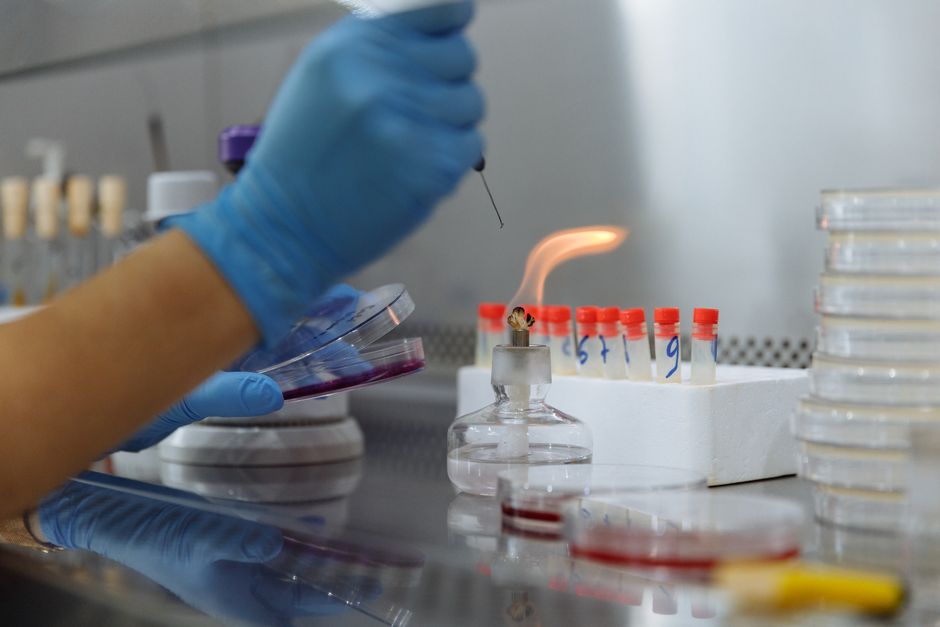
Photo by Thirdman on Pexels
Physical methods primarily involve using heat, radiation, or filtration to reduce or eliminate microbes.
- Heat: This is one of the most common and effective methods.
- Moist Heat (Autoclaving): Uses steam under pressure to achieve temperatures above boiling (e.g., 121°C for 15-20 min). This denatures proteins and destroys membranes, achieving sterilization. It's great for heat-stable objects like surgical instruments.
- Pasteurization: Uses milder heat (e.g., 72°C for 15 seconds) to reduce spoilage organisms and pathogens in food/liquids, without significantly altering taste. It's not sterilization, but significantly reduces microbial load.
- Dry Heat (Oven Sterilization): Uses higher temperatures for longer periods (e.g., 170°C for 2 hours) to oxidize cell components. Suitable for items that would be damaged by moist heat, like glassware.
- Refrigeration/Freezing: These methods primarily inhibit microbial growth by slowing down metabolic reactions, but don't usually kill microbes. Freezing can kill some susceptible cells due to ice crystal formation.
- Radiation:
- Ionizing Radiation (Gamma rays, X-rays): Causes DNA damage, leading to cell death. Used for sterilizing heat-sensitive materials like medical supplies or some foods.
- Non-ionizing Radiation (UV light): Causes DNA damage (thymine dimers) that inhibits replication. Used for surface disinfection or air purification, but has poor penetration.
- Filtration: Physically removes microbes from liquids or air by passing them through a filter with pores too small for microbes to pass. Used for sterilizing heat-sensitive liquids (e.g., pharmaceuticals) or for air purification (HEPA filters).
Chemical Methods (Disinfectants & Antiseptics)

Photo by Roger Brown on Pexels
Chemical agents are used on inanimate surfaces (disinfectants) or living tissue (antiseptics) to reduce microbial populations. They vary in their spectrum of activity and toxicity.
- Alcohols (e.g., Ethanol, Isopropanol): Denature proteins and dissolve lipids. Good for skin antiseptics and surface disinfectants.
- Halogens (e.g., Chlorine, Iodine): Oxidizing agents that inhibit enzyme function. Chlorine is common in water treatment; iodine is used as an antiseptic.
- Phenolics (e.g., Lysol): Disrupt cell walls and membranes, denature proteins. Effective surface disinfectants.
- Quaternary Ammonium Compounds (Quats): Disrupt cell membranes. Used in many household disinfectants.
- Heavy Metals (e.g., Silver, Copper): Oligodynamic action – tiny amounts inhibit microbial growth by denaturing proteins. Historically used, but less common now due to toxicity.
- Aldehydes (e.g., Formaldehyde, Glutaraldehyde): Highly reactive alkylating agents that cross-link proteins and nucleic acids. Can achieve sterilization for heat-sensitive instruments.
Antimicrobial Drugs

Photo by George Shervashidze on Pexels
These are chemicals that target microbes within a living host, ideally without harming the host. They are broadly categorized as antibiotics (targeting bacteria), antifungals, antivirals, and antiparasitics.
- Selective Toxicity: The key principle is to target structures or processes unique to the microbe, minimizing harm to host cells.
- Mechanisms of Action:
- Cell Wall Synthesis Inhibitors: (e.g., Penicillin, Cephalosporins) Block the formation of peptidoglycan, which is unique to bacteria.
- Protein Synthesis Inhibitors: (e.g., Tetracyclines, Macrolides) Target bacterial ribosomes, which differ from eukaryotic ribosomes.
- Nucleic Acid Synthesis Inhibitors: (e.g., Fluoroquinolones, Rifamycins) Interfere with DNA replication or RNA transcription.
- Cell Membrane Disruptors: (e.g., Polymyxins) Alter membrane permeability, leading to cell leakage.
- Metabolic Pathway Inhibitors: (e.g., Sulfonamides) Block specific metabolic pathways, like folic acid synthesis, which bacteria must synthesize but humans acquire from diet.
- Antimicrobial Resistance: A major challenge where microbes evolve mechanisms to evade the effects of antimicrobials, making infections harder to treat.
graph TD
    A["Control Microbial Growth"] --> B["Physical Methods"]
    A --> C["Chemical Methods"]
    A --> D["Antimicrobial Drugs (Internal Use)"]

    B --> B1["Heat"]
    B1 --> B1a["Moist Heat (Autoclave)"]
    B1 --> B1b["Dry Heat (Oven)"]
    B1 --> B1c["Pasteurization"]
    B1 --> B1d["Refrigeration/Freezing"]

    B --> B2["Radiation"]
    B2 --> B2a["Ionizing (Gamma, X-ray)"]
    B2 --> B2b["Non-ionizing (UV)"]

    B --> B3["Filtration"]

    C --> C1["Disinfectants (Surfaces)"]
    C --> C2["Antiseptics (Tissues)"]
    C1 & C2 --> C3["Alcohols"]
    C1 & C2 --> C4["Halogens"]
    C1 & C2 --> C5["Phenolics"]
    C1 & C2 --> C6["Quats"]
    C1 & C2 --> C7["Aldehydes"]

    D --> D1["Selective Toxicity Principle"]
    D --> D2["Mechanisms of Action"]
    D2 --> D2a["Cell Wall Inhibition"]
    D2 --> D2b["Protein Synthesis Inhibition"]
    D2 --> D2c["Nucleic Acid Inhibition"]
    D2 --> D2d["Membrane Disruption"]
    D2 --> D2e["Metabolic Pathway Inhibition"]
    D --> D3["Antimicrobial Resistance (Challenge)"]
3. Worked Example
Imagine you're managing a small dental clinic. You need to prepare various items for patient use and keep the environment safe.
- Surgical Instruments (scalpels, drills): These directly contact sterile tissues or enter the bloodstream. You absolutely need to achieve sterilization.
- Method: Autoclaving (moist heat under pressure). You'd package the instruments and run them through a cycle at, for example, 121°C for 15-20 minutes at 15 psi. This kills all microbial life, including endospores.
- Examination Gloves & Face Masks (already packaged): These are heat-sensitive but need to be sterile.
- Method: You'd purchase pre-sterilized items, often treated with ionizing radiation (gamma rays) by the manufacturer. This allows sterilization without heat damage.
- Countertops & Dental Chairs: These are inanimate surfaces that accumulate microbes from patients and staff. You need to significantly reduce the microbial load to prevent cross-contamination.
- Method: Disinfectants. You'd use a chemical disinfectant like a phenolic-based cleaner or a quaternary ammonium compound. You'd wipe down all surfaces between patients to kill vegetative bacteria, fungi, and some viruses.
- Patient's Skin (before injection): You need to reduce microbes on the skin surface temporarily.
- Method: Antiseptic. You'd swab the area with an alcohol-based antiseptic (e.g., 70% isopropanol) or an iodine solution. This reduces the number of transient microbes on the skin, lowering the risk of introducing them during injection.
- Water in the dental unit lines: This water could harbor bacteria (like Legionella).
- Method: Regular chemical treatment or filtration of the water. For example, using specialized dental unit water line disinfectants or point-of-use filters designed to remove bacteria.
4. Key Takeaways
- Sterilization eliminates all microbes, while disinfection reduces harmful ones.
- Physical methods often use heat (autoclaving for sterilization, pasteurization for reduction) or radiation (ionizing for sterilization, UV for surface disinfection).
- Chemical methods use disinfectants for surfaces and antiseptics for living tissues to kill or inhibit microbes.
- Antimicrobial drugs target specific microbial structures or processes inside a host with minimal harm to host cells.
- Different methods have varying effectiveness against different types of microbes (e.g., endospores are very resistant).
- The choice of method depends on the item's purpose, its heat sensitivity, and the level of microbial control required.
Common Mistakes to Avoid:
- Confusing disinfection with sterilization; they're not the same level of microbial control.
- Assuming a disinfectant is safe for use as an antiseptic on living tissue.
- Overlooking microbial resistance when discussing antimicrobial drugs.
- Not considering the presence of endospores; many common disinfectants don't kill them.
5. Now Try It
You're setting up a home canning operation for homemade jams. You need to prepare your glass jars and lids for safe food storage. What method(s) would you choose to minimize microbial spoilage and why? Describe the process you'd use. Success looks like you can explain the chosen method, its mechanism of action, and why it's appropriate for sterilizing canning jars to ensure food safety.
Frequently asked about Control of Microbial Growth and Antimicrobials
More from Microbiology
Get the full Microbiology curriculum
Clone the complete plan to your dashboard for unlimited AI-generated notes, practice quizzes, and a personalised revision schedule.
Create Free Account