Social Factors Influencing Health: Race, Gender, SES, and Sexuality
From the Health and society curriculum
Social Factors Influencing Health: Race, Gender, SES, and Sexuality
TL;DR
Your health isn't just about your biology; it's deeply shaped by social factors like your race, gender, socioeconomic status (SES), and sexuality. These factors create systemic advantages or disadvantages that impact your access to healthcare, exposure to risks, and overall well-being. Understanding these social determinants helps us see why health disparities exist and what needs to change.
1. The Mental Model
Think of health as a garden. While genetics are the seeds you start with, social factors are the soil, water, sunlight, and even pests that determine how well your plant (you) grows. Some people get rich, fertile soil, while others struggle with barren land.
2. The Core Material
Health isn't just about individual choices or biology; it's heavily influenced by the social conditions in which people live, work, and grow. These are called social determinants of health (SDOH). We'll focus on four key ones: race, gender, socioeconomic status (SES), and sexuality. These factors often intersect, meaning someone's experience is a combination of these identities (e.g., a low-income Black woman).
Race and Health

Photo by Lorete M on Pexels
Race is a social construct, not a biological one, but its social implications profoundly affect health.
* Systemic Racism: This leads to discriminatory practices in housing, education, employment, and healthcare. For example, redlining historically limited access to resources in Black neighborhoods, leading to poorer housing quality and less access to healthy food.
* Healthcare Access & Quality: People of color often face bias from healthcare providers, leading to misdiagnosis, delayed treatment, or lower quality of care. They may also have less access to insurance or culturally competent providers.
* Environmental Exposure: Communities of color are disproportionately located near polluting industries, leading to higher rates of asthma, cancer, and other chronic diseases.
* Chronic Stress: Experiencing racism and discrimination creates chronic stress, which can lead to inflammation and increase the risk of cardiovascular disease, diabetes, and mental health issues.
Gender and Health

Photo by Nadezhda Moryak on Pexels
Gender refers to socially constructed roles, behaviors, expressions, and identities, distinct from biological sex.
* Social Roles & Expectations: Traditional gender roles can influence health behaviors. For instance, men may be less likely to seek preventative care or mental health support due to societal pressures to appear strong. Women, on the other hand, might face greater burdens of caregiving, impacting their own health.
* Access to Care: Reproductive healthcare access is a significant gendered issue, primarily affecting those who can become pregnant. Transgender and gender non-conforming individuals often face significant barriers, discrimination, and lack of understanding in healthcare settings.
* Health Conditions: Some health conditions are more prevalent or manifest differently based on gender. For example, heart disease symptoms can present differently in women, leading to misdiagnosis. Mental health conditions like depression and anxiety are diagnosed more frequently in women, while substance abuse and suicide rates are higher in men.
Socioeconomic Status (SES) and Health
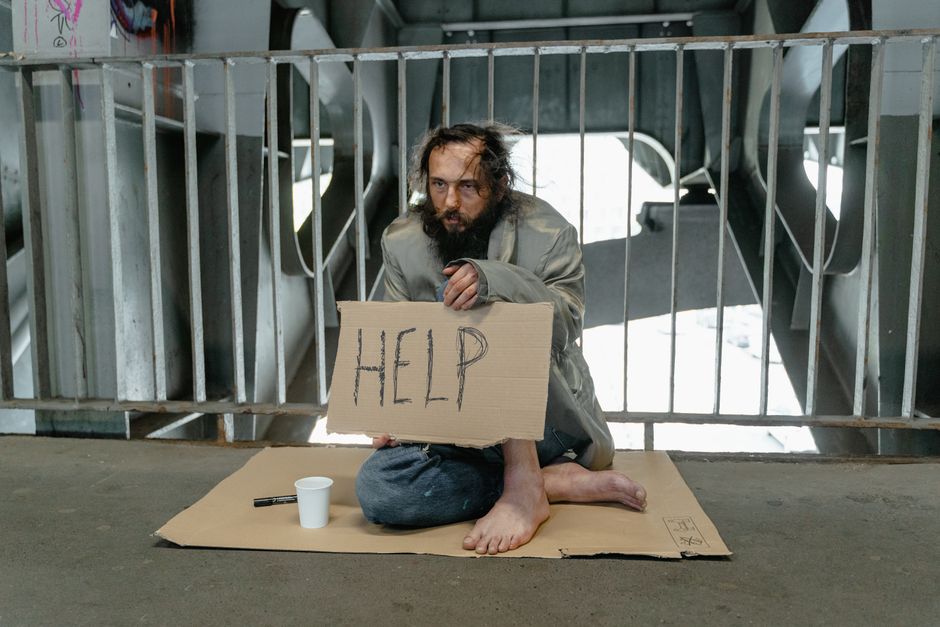
Photo by MART PRODUCTION on Pexels
SES is a measure of an individual's or family's economic and social position in relation to others, often based on income, education, and occupation. It's one of the strongest predictors of health.
* Income: Higher income generally means better access to nutritious food, safe housing, quality healthcare, and less financial stress. Low income is linked to higher rates of chronic diseases, infant mortality, and lower life expectancy.
* Education: Higher levels of education correlate with better health literacy, healthier lifestyle choices, and access to better-paying jobs with health benefits.
* Occupation: Certain jobs expose individuals to environmental hazards, stress, or physically demanding conditions, impacting health. White-collar jobs often offer better benefits and less physical strain.
* Neighborhood Conditions: Low-SES neighborhoods often lack safe parks, grocery stores with fresh produce ("food deserts"), and accessible transportation, all of which impact health.
Sexuality and Health

Photo by Markus Winkler on Pexels
Sexual orientation and gender identity can significantly impact health due to societal stigma, discrimination, and lack of inclusive care.
* Discrimination & Stigma: LGBTQ+ individuals often face discrimination in employment, housing, and healthcare, leading to higher rates of poverty, homelessness, and stress. This can deter them from seeking necessary medical care.
* Mental Health: Higher rates of depression, anxiety, substance abuse, and suicide attempts are observed in LGBTQ+ populations, often due to societal prejudice, family rejection, and the stress of living in a heteronormative world.
* Healthcare Barriers: Many LGBTQ+ individuals report experiencing disrespect, lack of understanding, or outright discrimination from healthcare providers. Some providers lack knowledge about LGBTQ+ specific health needs (e.g., PrEP for HIV prevention, hormone therapy for transgender individuals).
* Violence: LGBTQ+ individuals, particularly transgender people of color, face disproportionately high rates of violence, which can have severe physical and psychological health consequences.
Here's how these factors can interact and influence health outcomes:
graph TD
    A["Social Factor: Race"] --> B["Impact on Health Access/Exposure"];
    C["Social Factor: Gender"] --> B;
    D["Social Factor: SES"] --> B;
    E["Social Factor: Sexuality"] --> B;

    B --> F["Health Outcomes (e.g., Disease Rates, Life Expectancy, Mental Health)"];

    subgraph Contributing Mechanisms
        B -- "Leads to" --> G["Discrimination/Bias"];
        B -- "Leads to" --> H["Unequal Resource Distribution"];
        B -- "Leads to" --> I["Chronic Stress/Trauma"];
        B -- "Leads to" --> J["Exposure to Environmental Hazards"];
        B -- "Leads to" --> K["Healthcare System Barriers"];
    end

    G --> F;
    H --> F;
    I --> F;
    J --> F;
    K --> F;
3. Worked Example
Let's consider two hypothetical individuals living in the same city:
Individual A: A White, cisgender man with a graduate degree working as a software engineer, earning $150,000/year, living in an affluent suburb.
Individual B: A Black, transgender woman with a high school diploma working part-time minimum wage, earning $18,000/year, living in an urban neighborhood with limited healthy food options.
Individual A likely has:
* Excellent health insurance through his employer, covering preventative care and specialists.
* Access to fresh, organic food from local grocery stores.
* A safe environment with parks for exercise.
* Healthcare providers who are culturally competent and respectful of his identity.
* Lower levels of chronic stress related to financial insecurity or discrimination.
Individual B likely faces:
* Limited or no health insurance, making healthcare visits expensive and infrequent.
* Living in a "food desert" with limited access to affordable, nutritious food, relying on convenience stores and fast food.
* Exposure to higher levels of pollution in her neighborhood.
* Experiences of discrimination from healthcare providers due to her race and gender identity, leading to delayed or avoided care, and potentially misgendering.
* High levels of chronic stress due to financial insecurity, housing instability, and daily experiences of racism and transphobia.
The health outcomes will likely differ significantly, with Individual B at a much higher risk for chronic diseases, mental health issues, and a shorter life expectancy, not due to individual choices, but because of the systemic disadvantages she faces due to her race, gender, SES, and sexuality.
4. Key Takeaways
- Your health is profoundly shaped by social factors like race, gender, SES, and sexuality, not just individual biology or choices.
- Systemic racism creates disadvantages in healthcare access, environmental exposure, and stress for people of color.
- Gender roles and societal expectations impact health-seeking behaviors and the types of care individuals receive.
- Socioeconomic status (income, education, occupation) is a powerful predictor of health, influencing access to resources and exposure to risks.
- LGBTQ+ individuals often face significant health disparities due to stigma, discrimination, and lack of inclusive healthcare.
- These social factors often intersect, compounding the challenges faced by individuals with multiple marginalized identities.
- Addressing health disparities requires understanding and changing the social conditions that create them.
Common Mistakes to Avoid:
- Blaming the victim: Don't attribute health disparities solely to individual lifestyle choices without considering the broader social context.
- Treating race as biological: Remember race is a social construct with profound social impacts, not a biological one determining inherent health differences.
- Ignoring intersectionality: Don't analyze these factors in isolation; recognize how they combine to create unique experiences of advantage or disadvantage.
- Assuming equal access: Don't assume everyone has the same access to quality healthcare, healthy food, or safe environments.
5. Now Try It
Think about a specific health issue, like diabetes or heart disease. For the next 15 minutes, outline how each of the four social factors (race, gender, SES, sexuality) might contribute to higher rates or worse outcomes for that particular health issue. For example, consider how low SES might limit access to healthy food, increasing diabetes risk, or how racial discrimination might lead to chronic stress, impacting heart health.
What success looks like: You should have at least one specific connection between each social factor and the chosen health issue, demonstrating an understanding of the pathways involved.
Frequently asked about Social Factors Influencing Health: Race, Gender, SES, and Sexuality
More from Health and society
Get the full Health and society curriculum
Clone the complete plan to your dashboard for unlimited AI-generated notes, practice quizzes, and a personalised revision schedule.
Create Free Account