Introduction to Marketing and the Marketing Process
From the Marketing Chapter 1 curriculum
Introduction to Marketing and the Marketing Process
TL;DR
Marketing is about creating, communicating, delivering, and exchanging offerings that have value for customers, clients, partners, and society at large. It's a process of understanding customer needs, developing solutions, and building strong relationships. The ultimate goal is to generate customer value and capture value in return.
1. The Mental Model
Think of marketing as the bridge connecting what a business offers to what customers truly want and need. It's not just selling; it's about making sure your product or service fits into someone's life perfectly and then letting them know about it.
2. The Core Material
Marketing isn't just advertising; it's a strategic process that involves several key steps. At its heart, marketing aims to create customer value and build profitable customer relationships.
What is Marketing?

Photo by Ann H on Pexels
Simply put, marketing is managing profitable customer relationships. It's about attracting new customers by promising superior value and keeping current customers by delivering satisfaction. It's a process by which companies create value for customers and build strong customer relationships in order to capture value from customers in return.
The Marketing Process: A Five-Step Model
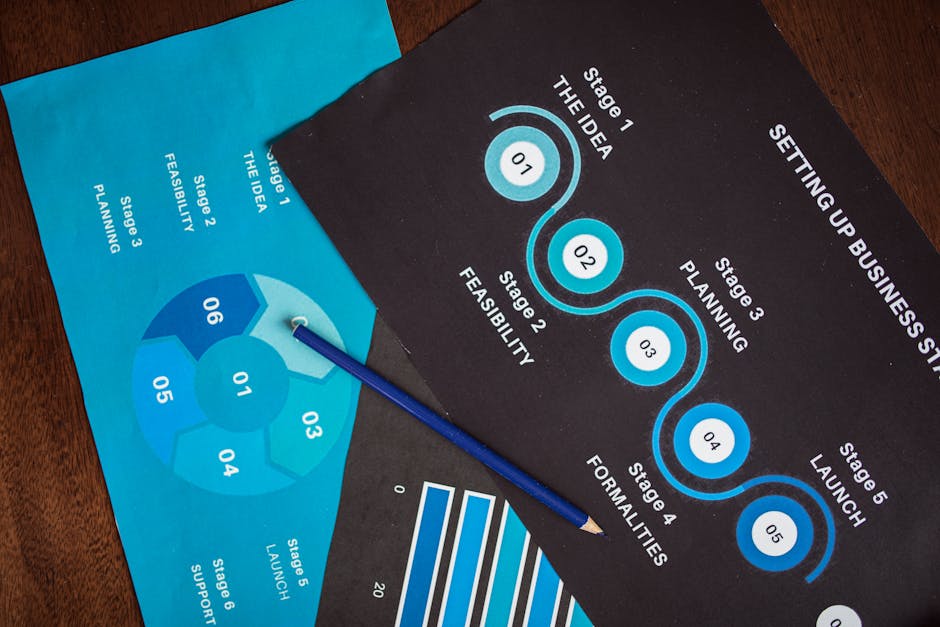
Photo by RDNE Stock project on Pexels
This model outlines the steps companies take to understand and create value for customers.
graph LR
    A["Understand Market Needs & Wants"] --> B["Design Customer-Driven Strategy"]
    B --> C["Construct Integrated Marketing Program"]
    C --> D["Build Profitable Relationships"]
    D --> E["Capture Value from Customers"]
Let's break down each step:
Step 1: Understand the Marketplace and Customer Needs
This is where you do your homework. You need to deeply understand your target customers – what they want, what problems they have, and how they behave. This involves researching their needs, wants, and demands, and understanding the market offerings (products, services, experiences) available. You also look at market conditions and competition.
Step 2: Design a Customer-Driven Marketing Strategy
Once you know your customers, you can design a strategy. This involves deciding who you want to serve (segmentation and targeting) and how you want to serve them (differentiation and positioning). You'll define your value proposition – why a customer should choose your product over a competitor's.
Step 3: Construct an Integrated Marketing Program
This is where you bring your strategy to life through the marketing mix, often called the 4 Ps:
* Product: What are you offering? Features, design, quality, brand, packaging.
* Price: How much will it cost? List price, discounts, payment period.
* Place (Distribution): How will customers get it? Channels, coverage, logistics, inventory.
* Promotion: How will customers learn about it? Advertising, personal selling, public relations, sales promotion.
All these elements must work together seamlessly.
Step 4: Build Profitable Relationships and Create Customer Delight
This step focuses on Customer Relationship Management (CRM). It's about building strong, long-term relationships with customers by consistently delivering superior customer value and satisfaction. When customers feel valued, they're more likely to be loyal and advocate for your brand.
Step 5: Capture Value from Customers to Create Profits and Customer Equity
The final step is about getting something back for all your efforts. By creating superior customer value, you capture value from customers in the form of sales, market share, and profits. This leads to customer equity, which is the total combined customer lifetime values of all the company's customers. Happy, loyal customers are your most valuable asset.
3. Worked Example
Imagine you're launching a new brand of eco-friendly, reusable coffee cups designed for busy professionals.
- Understand Market Needs: You research that professionals want convenience, durability, and style, but are also increasingly concerned about environmental impact. They dislike flimsy cups and leaky lids.
- Design Strategy: You decide to target urban professionals (segmentation) who value sustainability and quality (targeting). Your value proposition is a sleek, leak-proof, highly durable, and easily cleanable reusable coffee cup that looks professional and reduces waste (differentiation/positioning).
- Integrated Marketing Program (4 Ps):
- Product: High-grade stainless steel, ergonomic design, double-wall insulation, secure screw-on lid, multiple color options, minimalist branding.
- Price: Premium pricing to reflect quality and sustainability, perhaps $25-$35.
- Place: Sell online through your website and select high-end office supply stores and boutique cafes in urban centers.
- Promotion: Social media ads targeting LinkedIn users, partnerships with environmental influencers, press releases in business and lifestyle magazines, a launch discount for early adopters.
- Build Relationships: Offer excellent customer service, a 5-year warranty, and an online community where customers can share tips for eco-friendly living and new color suggestions. Send personalized thank-you notes with purchases.
- Capture Value: Loyal customers repurchase, recommend the cups to colleagues, and contribute positive online reviews, leading to increased sales, brand recognition, and a strong customer base for future product lines.
4. Key Takeaways
- Marketing is about creating, communicating, delivering, and exchanging value for customers.
- The marketing process starts with understanding customer needs and ends with capturing value in return.
- A strong customer-driven marketing strategy focuses on who you'll serve and how you'll create value for them.
- The 4 Ps (Product, Price, Place, Promotion) are the tools you use to implement your marketing strategy.
- Building strong customer relationships is crucial for long-term business success and profitability.
- Customer satisfaction leads to loyalty, which translates into increased sales and customer equity.
Common Mistakes to Avoid:
- Don't confuse marketing solely with advertising; it's a much broader strategic process.
- Never assume you know what customers want; always conduct thorough market research.
- Don't neglect any of the 4 Ps; they must work together for a cohesive strategy.
- Avoid focusing only on attracting new customers; retaining existing ones is often more profitable.
- Don't underestimate the power of building genuine customer relationships.
5. Now Try It
Think about a product or service you recently purchased that you really liked. Spend 15 minutes outlining how you think that company went through the five steps of the marketing process to get that product/service to you. What was their product, price, place, and promotion strategy? What value did you receive, and how do you think they captured value from you?
Frequently asked about Introduction to Marketing and the Marketing Process
Get the full Marketing Chapter 1 curriculum
Clone the complete plan to your dashboard for unlimited AI-generated notes, practice quizzes, and a personalised revision schedule.
Create Free Account