Panimula sa Wika at Gramatika
From the FILIPINO curriculum
Panimula sa Wika at Gramatika
TL;DR
You'll learn that wika is a system of communication crucial for expressing thoughts and feelings, while gramatika is the set of rules governing how that system works. Understanding both helps you communicate effectively and correctly in Filipino. They're intertwined, like a car (wika) and its owner's manual (gramatika).
1. The Mental Model
Think of wika as the actual words and sounds you use to talk or write, and gramatika as the "instruction manual" that tells you how to put those words together so others can understand you. One can't function properly without the other.
2. The Core Material
You're diving into the basics of Filipino wika (language) and gramatika (grammar). It's really about understanding the tools you use to communicate and the rules that make those tools effective.
Ano ang Wika?

Photo by Clarence Gaspar on Pexels
Ang wika ay isang masistemang balangkas ng mga sinasalitang tunog na pinipili at isinasaayos sa paraang arbitraryo upang magamit ng mga taong nabibilang sa isang kultura (Gleason, 1961). In simpler terms, it's a structured system of sounds (or symbols, like in writing) that people agree to use to share ideas, feelings, and information. It's what makes communication possible.
Here's why wika is important:
* Paraan ng Komunikasyon: Ito ang pangunahing daan para magkaunawaan tayo.
* Identidad: Ang wika ay bahagi ng kung sino ka at kung saan ka nanggaling.
* Kultura: Nasa wika nakaimbak ang kasaysayan, tradisyon, at pag-iisip ng isang grupo ng tao.
Ano naman ang Gramatika?
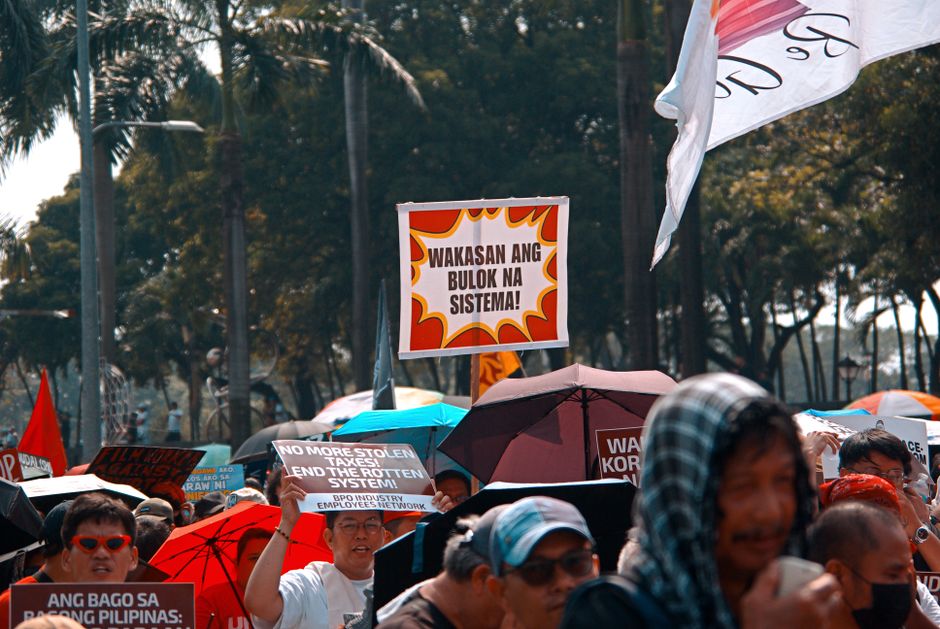
Photo by Mico Medel on Pexels
Ang gramatika ay ang koleksyon ng mga tuntunin na gumagabay sa paggamit ng isang wika. Ito ang nagtuturo sa'yo kung paano bubuo ng tama at malinaw na pangungusap. Hindi lang ito tungkol sa "tama" o "mali," kundi kung paano mo magagamit ang wika sa pinakamabisang paraan.
Key aspects of gramatika:
* Morpolohiya: Pag-aaral ng mga salita at kung paano nabubuo ang mga ito (e.g., ugat-salita, panlapi).
* Sintaksis: Pag-aaral ng ayos ng mga salita sa loob ng pangungusap para makabuo ng tamang istruktura.
* Ponolohiya: Pag-aaral ng tunog ng wika.
* Semantika: Pag-aaral ng kahulugan ng mga salita at pangungusap.
You can't really separate them. Wika is the tool, and gramatika is the user manual. Without the manual, you might misuse the tool; without the tool, the manual is useless.
graph TD
    A["Komunikasyon"] --> B["Wika (Ang Sistema)"];
    B --> C["Gramatika (Ang Tuntunin)"];
    C --> D["Morpolohiya (Pagbuo ng Salita)"];
    C --> E["Sintaksis (Ayos ng Pangungusap)"];
    C --> F["Ponolohiya (Tunog ng Salita)"];
    C --> G["Semantika (Kahulugan)"];
    D -- "gumagamit ng" --> H["Salita"];
    E -- "bumubuo ng" --> I["Pangungusap"];
    I -- "may" --> G;
    H -- "may" --> G;
    B --> I;
3. Worked Example
Let's take the simple English sentence: "The cat ate the fish."
In Filipino, this could be: "Kinain ng pusa ang isda."
- Wika: We used the Filipino words "kinain," "pusa," "isda," and the articles "ng," "ang." These are the components of the Filipino language we chose.
- Gramatika:
- Morpolohiya: "Kinain" is the root word "kain" (eat) with the prefix "-in-" indicating a past tense action where the object is the focus. "Pusa" is the noun for cat, "isda" for fish.
- Sintaksis: The structure "Kinain + ng Pusa + ang Isda" follows a common Filipino sentence pattern where the verb comes first, followed by the actor (pusa), and then the object (isda). If you said "Pusa kinain isda ang," it'd be confusing because it breaks the syntactic rules.
This shows how the specific words (wika) are arranged according to rules (gramatika) to convey a clear meaning.
4. Key Takeaways
- Wika is the fundamental system of communication we use to express ourselves.
- Gramatika provides the rules and structure for using a language correctly and effectively.
- Morpolohiya, sintaksis, ponolohiya, and semantika are all important components of gramatika.
- Understanding gramatika helps you build clear, meaningful sentences.
- Wika and gramatika are inseparable; one defines the other.
Common Mistakes to Avoid:
- Don't think of gramatika as just "correctness"; it's about clarity and meaning.
- Don't assume Filipino grammar works exactly like English grammar; there are unique structures.
- Don't neglect pronunciation (ponolohiya); it affects how your words are understood.
- Don't just memorize rules; try to understand why they exist.
5. Now Try It
Think of a simple sentence you'd say every day, like "I like to read books."
1. Translate it into Filipino.
2. Identify which specific Filipino words you used (this is your wika).
3. Explain why you arranged those words in that particular order, referring to the basic components of gramatika (e.g., verb placement, use of particles like "ng" or "ang," word formation).
Success looks like: You've correctly translated the sentence and can explain, even briefly, the grammatical choices you made for word order and word forms.
Frequently asked about Panimula sa Wika at Gramatika
Get the full FILIPINO curriculum
Clone the complete plan to your dashboard for unlimited AI-generated notes, practice quizzes, and a personalised revision schedule.
Create Free Account