Introduction to Macromolecules and Lab Safety
From the Biology Lab curriculum
Introduction to Macromolecules and Lab Safety
TL;DR
You'll learn about the four major types of macromolecules essential for life and understand their basic building blocks and functions. Lab safety isn't just about rules; it's about keeping you and everyone else safe during experiments. Following safety protocols protects you from hazards and ensures accurate, reliable experimental results.
1. The Mental Model
Think of macromolecules as the big, essential LEGO bricks of life. Just like you can build many different things with LEGOs, these large biological molecules, built from smaller units, form all living organisms and carry out their vital functions. Lab safety is like understanding how to use those LEGOs without stepping on them or swallowing them – it's about smart practices to avoid problems.
2. The Core Material
2.1 What are Macromolecules?

Photo by Tara Winstead on Pexels
Macromolecules are huge organic molecules, typically formed by joining smaller molecules called monomers into long chains called polymers. There are four main types crucial for all known life: carbohydrates, lipids, proteins, and nucleic acids.
2.1.1 Carbohydrates
These are your body's main source of energy. They're made of carbon, hydrogen, and oxygen.
* Monomer: Monosaccharides (simple sugars like glucose).
* Polymer: Polysaccharides (complex carbohydrates like starch, glycogen, cellulose).
* Function: Quick energy, energy storage, structural support (in plants).
2.1.2 Lipids
Lipids are a diverse group that includes fats, oils, and waxes. They're mostly non-polar, meaning they don't mix well with water.
* Monomer: No true repeating monomer in the same way as other macromolecules, but often composed of fatty acids and glycerol.
* Polymer: Triglycerides, phospholipids, steroids.
* Function: Long-term energy storage, insulation, protective coatings, main component of cell membranes.
2.1.3 Proteins
Proteins are incredibly versatile and perform a vast array of functions in living organisms.
* Monomer: Amino acids (there are 20 common types).
* Polymer: Polypeptides, which fold into specific 3D structures to become functional proteins.
* Function: Enzymes (catalyze reactions), structural support (collagen, keratin), transport (hemoglobin), defense (antibodies), movement (actin, myosin).
2.1.4 Nucleic Acids
These carry genetic information.
* Monomer: Nucleotides (made of a sugar, a phosphate group, and a nitrogenous base).
* Polymer: DNA (deoxyribonucleic acid) and RNA (ribonucleic acid).
* Function: Store and transmit genetic information, protein synthesis.
2.2 Lab Safety Essentials
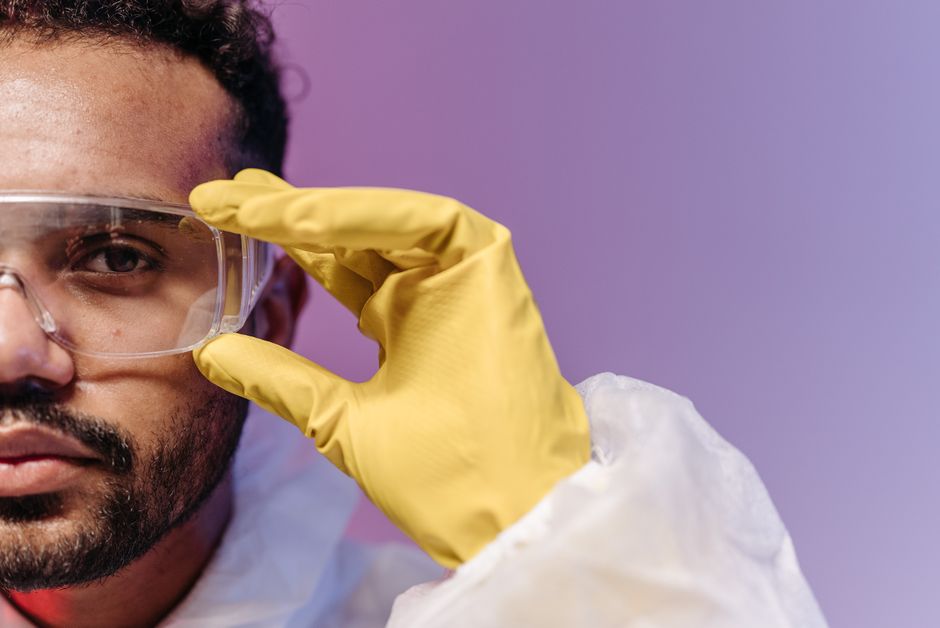
Photo by Pavel Danilyuk on Pexels
Lab safety is paramount. It’s not just about following rules, it’s about understanding why these rules exist to prevent accidents and ensure accurate results.
2.2.1 Personal Protective Equipment (PPE)
Always wear appropriate PPE. This usually includes:
* Safety Goggles: Protect your eyes from chemical splashes, fumes, or flying debris. Don't wear contact lenses in the lab unless specifically approved.
* Lab Coat: Protects your clothing and skin from spills.
* Gloves: Protect your hands from chemicals, heat, and biological materials. Choose the right type of glove for the task.
* Closed-toe Shoes: Protect your feet from spills and broken glass. No sandals or open-toed shoes!
2.2.2 General Lab Practices
- No Eating or Drinking: Never consume food or beverages in the lab.
- Know Emergency Procedures: Locate the eyewash station, safety shower, fire extinguisher, and first aid kit before starting any experiment.
- Handle Chemicals Safely: Always read labels. Never mix chemicals unless instructed. Dispose of chemical waste properly in designated containers, never down the drain.
- Handle Glassware Carefully: Inspect glassware for cracks or chips before use. Dispose of broken glass in designated bins, not regular trash.
- Heat Safety: Use caution with hot plates, Bunsen burners, and heated liquids. Never leave heating apparatus unattended.
- Cleanliness: Keep your workstation tidy. Clean up spills immediately. Wash your hands thoroughly before leaving the lab.
- Report Accidents: Even minor spills or injuries should be reported to your instructor immediately.
Here's a quick overview of lab safety principles:
graph TD
    A["Understand Safety Rules"] --> B{"Before Starting Lab"}
    B --> C["Read Procedure Carefully"]
    B --> D["Identify Hazards"]
    B --> E["Locate Safety Equipment"]
    E --> F["Eyewash/Shower"]
    E --> G["Fire Extinguisher"]
    E --> H["First Aid"]

    A --> I{"During Lab Work"}
    I --> J["Wear Appropriate PPE (Goggles, Coat, Gloves)"]
    I --> K["No Eating/Drinking"]
    K --> L["Keep Work Area Tidy"]
    L --> M["Handle Chemicals Safely (Read Labels, Dispose Properly)"]
    M --> N["Handle Glassware Carefully"]
    N --> O["Be Aware of Heat Sources"]
    O --> P["Never Work Alone"]

    A --> Q{"After Lab Work"}
    Q --> R["Clean Workstation Thoroughly"]
    R --> S["Wash Hands (Soap & Water)"]
    S --> T["Report Any Accidents/Spills"]
3. Worked Example
Let's say you're about to conduct an experiment to test for the presence of different macromolecules in food samples.
Scenario: You have a beaker of an unknown liquid and a plate of solid food samples. You need to identify which macromolecules might be present using chemical tests.
Before you begin (Safety First!):
1. Read the Lab Manual: You see the experiment involves Benedict's reagent (for sugars), iodine solution (for starch), Biuret reagent (for protein), and Sudan III stain (for lipids). You also note that Benedict's reagent requires heating.
2. Identify Hazards: Benedict's contains copper sulfate (mild irritant). Iodine can stain skin. Biuret contains strong bases (corrosive). Sudan III is dissolved in alcohol (flammable). Heating will be involved.
3. Locate Safety Equipment: You confirm the eyewash station, safety shower, and fire extinguisher are nearby and accessible.
4. PPE: You put on your safety goggles, lab coat, and nitrile gloves. You're wearing closed-toe shoes.
During the experiment:
* You carefully measure out samples using clean pipettes, avoiding cross-contamination.
* When adding Biuret reagent, you do it under a fume hood if available, or very carefully, to avoid inhaling fumes and splashing. If any splashes on your skin, you immediately rinse with plenty of water.
* For the Benedict's test, you place the test tubes in a hot water bath, making sure they don't tip over. You never leave the hot plate unattended.
* You dispose of all chemical waste in the designated waste containers at the end of the procedure, not down the sink.
This systematic approach, combining knowledge of the experiment's components (macromolecules and reagents) with a strong safety mindset, is how you ensure a successful and safe lab experience.
4. Key Takeaways
- Macromolecules are large, essential organic molecules (carbohydrates, lipids, proteins, nucleic acids) crucial for life.
- Each type of macromolecule has specific building blocks (monomers) and performs distinct functions in living organisms.
- Lab safety protocols protect you, your classmates, and ensure reliable experimental results.
- Always wear appropriate Personal Protective Equipment (PPE) like safety goggles, lab coats, and gloves.
- Know the location and proper use of all emergency equipment in the lab.
- Never eat, drink, or apply cosmetics in the lab.
- Properly dispose of all chemical and biological waste in designated containers.
Common Mistakes to Avoid:
* Forgetting to wear safety goggles, especially when handling chemicals or heating solutions.
* Pouring chemical waste down the sink instead of into designated waste containers.
* Not reading the entire lab procedure before starting, leading to rushed or incorrect steps.
* Leaving hot plates or Bunsen burners unattended.
* Working alone or not reporting even minor spills or accidents to your instructor.
5. Now Try It
Before your next lab session, spend 15 minutes reviewing your lab manual for the upcoming experiment. Identify all the chemicals you'll be using and research their specific hazards (e.g., corrosive, flammable, irritant). Then, draw a simple sketch of your lab classroom, marking the locations of the eyewash station, safety shower, fire extinguisher, and broken glass disposal bin. When you arrive for the lab, confirm your sketch matches the actual layout. This exercise will help you proactively prepare for safety.
Frequently asked about Introduction to Macromolecules and Lab Safety
More from Biology Lab
Get the full Biology Lab curriculum
Clone the complete plan to your dashboard for unlimited AI-generated notes, practice quizzes, and a personalised revision schedule.
Create Free Account