Les Facteurs Environnementaux
From the Écologie curriculum
Les Facteurs Environnementaux
TL;DR
Environmental factors are anything in an organism's surroundings that affects its survival and reproduction. You can categorize these as either biotic (living) or abiotic (non-living), and they constantly interact to shape ecosystems. Understanding these factors helps explain why organisms live where they do and how ecosystems function.
1. The Mental Model
Think of an organism as a detective. To survive, it needs clues from its environment: is there food (biotic)? Is it too hot or too cold (abiotic)? These clues, or "factors," determine if the organism can thrive.
2. The Core Material
When we talk about environmental factors, we're looking at all the influences on an organism or a population. These influences can be broadly split into two main types:
Biotic Factors
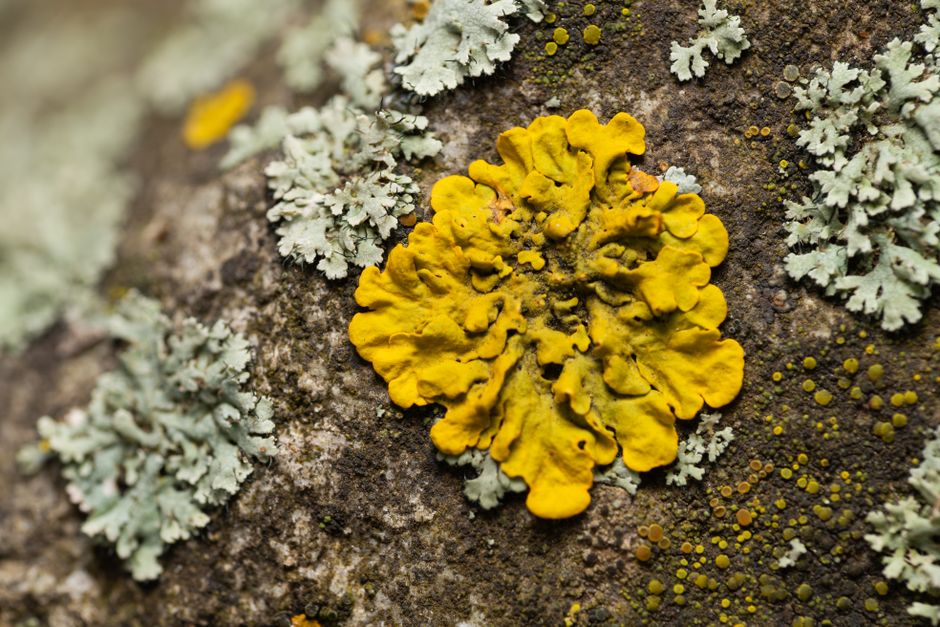
Photo by Bejan Adrian on Pexels
Biotic factors are all the living components of an ecosystem that affect other organisms. These interactions are incredibly diverse and often complex.
- Competition: Organisms, whether of the same species (intraspecific) or different species (interspecific), often compete for limited resources like food, water, light, or space. For example, two trees growing close together will compete for sunlight and nutrients in the soil.
- Predation: This is the interaction where one organism (the predator) hunts and kills another (the prey) for food. Think of a wolf hunting a deer.
- Symbiosis: This describes close, long-term interactions between two different biological organisms.
- Mutualism: Both organisms benefit. For instance, bees pollinating flowers get nectar, and the flowers get reproduced.
- Commensalism: One organism benefits, and the other is neither helped nor harmed. An example is barnacles on a whale; the barnacles get a place to live and food scraps, but the whale isn't affected.
- Parasitism: One organism (the parasite) benefits at the expense of the other (the host). Ticks on a dog are a good example, as the tick feeds on the dog's blood.
- Disease: Pathogens like bacteria, viruses, or fungi can spread between organisms, affecting their health and survival.
- Human Impact: While humans are also organisms, our activities (deforestation, pollution, urban development) have such a profound and often negative impact that we're often considered a distinct biotic factor.
Abiotic Factors
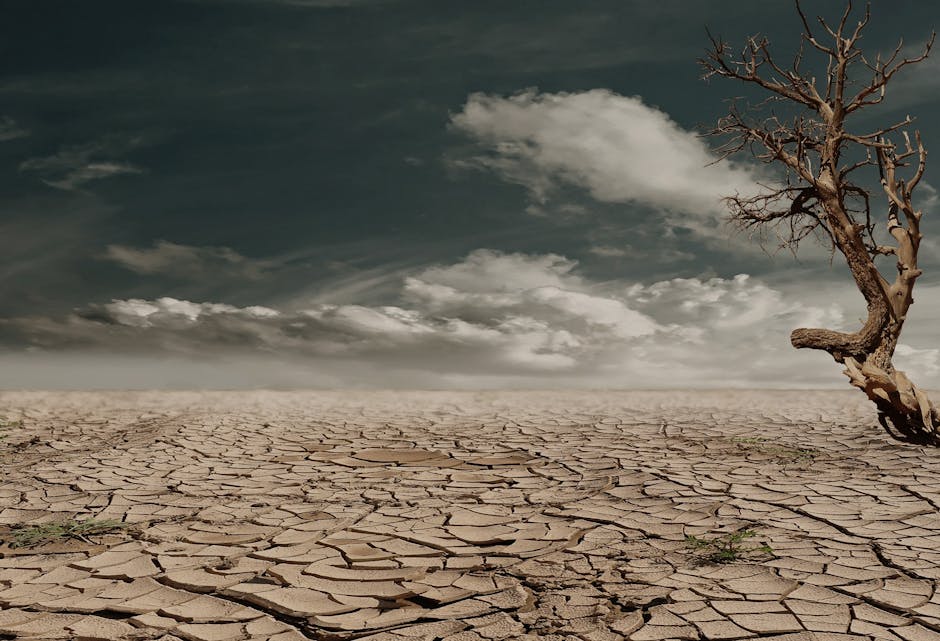
Photo by Pixabay on Pexels
Abiotic factors are the non-living physical and chemical parts of an ecosystem that affect living organisms. These are crucial because they set the fundamental conditions for life.
- Temperature: This is critical for metabolic processes. Most organisms have a specific temperature range they can tolerate. Too hot or too cold, and enzymes stop working effectively.
- Light: Essential for photosynthesis in plants and other producers, forming the base of most food webs. It also influences animal behavior (e.g., nocturnal vs. diurnal).
- Water: Indispensable for all known life. Its availability, salinity, and form (liquid, ice, vapor) dramatically impact where organisms can live.
- Soil (or Substrate): Provides nutrients, water retention, and physical support for plants. Its composition (sand, clay, organic matter) and pH are important.
- pH: The acidity or alkalinity of water or soil affects nutrient availability and organism physiology.
- Salinity: The amount of salt in water or soil, particularly important in aquatic and coastal environments.
- Nutrients: Availability of essential chemical elements like nitrogen, phosphorus, and potassium.
- Atmospheric Gases: Oxygen for respiration, carbon dioxide for photosynthesis.
- Wind/Currents: Can affect temperature, moisture, and the dispersal of seeds or organisms.
These factors don't act in isolation; they constantly interact. For example, temperature influences water availability (evaporation), and soil pH affects which plants can grow, which in turn affects the animals that eat them.
Here's a diagram to visualize how these factors relate:
graph TD
    A["Facteurs Environnementaux"] --> B["Facteurs Biotiques"]
    A --> C["Facteurs Abiotiques"]

    B --> B1["Compétition"]
    B --> B2["Prédation"]
    B --> B3["Symbiose"]
    B --> B4["Maladies"]
    B --> B5["Impact Humain"]

    C --> C1["Température"]
    C --> C2["Lumière"]
    C --> C3["Eau (Disponibilité, Salinité)"]
    C --> C4["Sol (pH, Nutriments)"]
    C --> C5["Gaz Atmosphériques (O2, CO2)"]
    C --> C6["Vent/Courants"]

    B1 & B2 & B3 & B4 & B5 & C1 & C2 & C3 & C4 & C5 & C6 --> D["Affectent la Survie & Reproduction des Organismes"]
    D --> E["Façonnent les Écosystèmes"]
3. Worked Example
Imagine a small pond ecosystem. Let's identify some key factors:
-
Abiotic Factors:
- Temperature: The pond's water temperature changes daily and seasonally, affecting metabolic rates of fish and amphibian larvae.
- Light: Sunlight penetrates the water, allowing algae and aquatic plants to photosynthesize at the surface. Deeper areas get less light.
- Water pH: Acid rain could lower the pond's pH, harming sensitive species like some insect larvae or fish.
- Oxygen levels: Dissolved oxygen is crucial for aquatic animals, and it can fluctuate with temperature and algal blooms.
- Nutrients: Runoff from nearby farms could introduce excess nitrates and phosphates, leading to algal blooms.
-
Biotic Factors:
- Algae: The primary producers, forming the base of the food web.
- Fish (e.g., Bass): Predators eating smaller fish, insects, and tadpoles. Also competitors for food and space.
- Frogs: Adults eat insects; tadpoles graze on algae. They compete with fish for resources when young.
- Water Lilies: Compete with algae for light and nutrients. Provide shelter for small fish.
- Bacteria/Decomposers: Break down dead organisms, recycling nutrients back into the pond.
- Humans: If someone dumps trash in the pond, that's a human impact. If they fish, they're impacting predator-prey dynamics.
All these factors interact. For instance, high temperatures (abiotic) might lead to lower dissolved oxygen (abiotic), stressing fish (biotic). Excess nutrients (abiotic) can cause an algal bloom (biotic), which then dies and is decomposed by bacteria (biotic), consuming more oxygen (abiotic), potentially leading to fish die-offs.
4. Key Takeaways
- Environmental factors are categorized as either biotic (living) or abiotic (non-living) components of an ecosystem.
- Biotic factors include interactions like competition, predation, symbiosis, disease, and human impact.
- Abiotic factors comprise physical and chemical conditions such as temperature, light, water, soil pH, and atmospheric gases.
- These factors are interconnected and don't operate in isolation; changes in one can trigger cascades of effects on others.
- An organism's ability to tolerate specific environmental factors determines where it can live and thrive.
Common Mistakes to Avoid:
- Forgetting interactions: Don't treat factors as independent; they're always influencing each other.
- Ignoring scale: A factor like temperature can be important at a global scale (climate) or a micro-scale (under a rock).
- Confusing cause and effect: For example, a decrease in fish population might be caused by low oxygen, not just a random event.
- Overlooking human impact: Human activities are a massive and pervasive biotic factor influencing nearly all ecosystems.
5. Now Try It
Choose a familiar ecosystem (e.g., your backyard, a local park, or even your home if you have plants/pets). Spend 15 minutes listing as many specific biotic and abiotic factors as you can think of that influence the organisms living there. Then, pick two factors (one biotic, one abiotic) and describe how they might interact to affect an organism in that environment.
Success looks like: A clear list of at least 5 biotic and 5 abiotic factors, and a concise explanation of how your chosen two factors (e.g., water availability and plant competition) might jointly influence a specific organism (e.g., a bird or a particular plant).
Frequently asked about Les Facteurs Environnementaux
More from Écologie
Get the full Écologie curriculum
Clone the complete plan to your dashboard for unlimited AI-generated notes, practice quizzes, and a personalised revision schedule.
Create Free Account