Introduction to Air and Its Importance
From the air around us for 6th grade curriculum
TL;DR
Air is the invisible mixture of gases surrounding Earth, essential for all living things to survive. It's mostly nitrogen and oxygen, but also contains other important gases and tiny particles. Understanding air helps us appreciate our planet and how we affect it.
1. The Mental Model
Think of air like an invisible blanket wrapping around the Earth. This blanket is made of many different gases mixed together, and you can't see it, but you definitely feel it and need it every second of every day.
2. The Core Material
Air is all around us, even though we can't see, smell, or taste it. It's a mixture of several gases, each playing an important role. Without air, life as we know it wouldn't exist on Earth.
What is Air Made Of?

Photo by Istiaque Hossain on Pexels
Air isn't just one thing; it's a mix! The two most common gases in the air are:
* Nitrogen (about 78%): This is the most abundant gas. While we breathe it in, our bodies don't use much of it directly from the air. Plants, however, need nitrogen to grow.
* Oxygen (about 21%): This is the gas that animals and humans need to breathe to live. It's vital for burning fuel (like in a car engine) and for our bodies to get energy from food.
The remaining 1% of the air is made up of other gases, like:
* Argon: Another gas that doesn't do much for us.
* Carbon Dioxide: This is the gas plants breathe in to make food, and it's what we breathe out. It also traps heat, helping to keep Earth warm.
* Water Vapor: This is water in its gas form. It causes humidity and forms clouds.
* Other tiny gases: Like neon, helium, and methane, but in very small amounts.
Air also contains tiny solid particles, like dust, pollen, and even tiny salt crystals from the ocean.
Why is Air So Important?
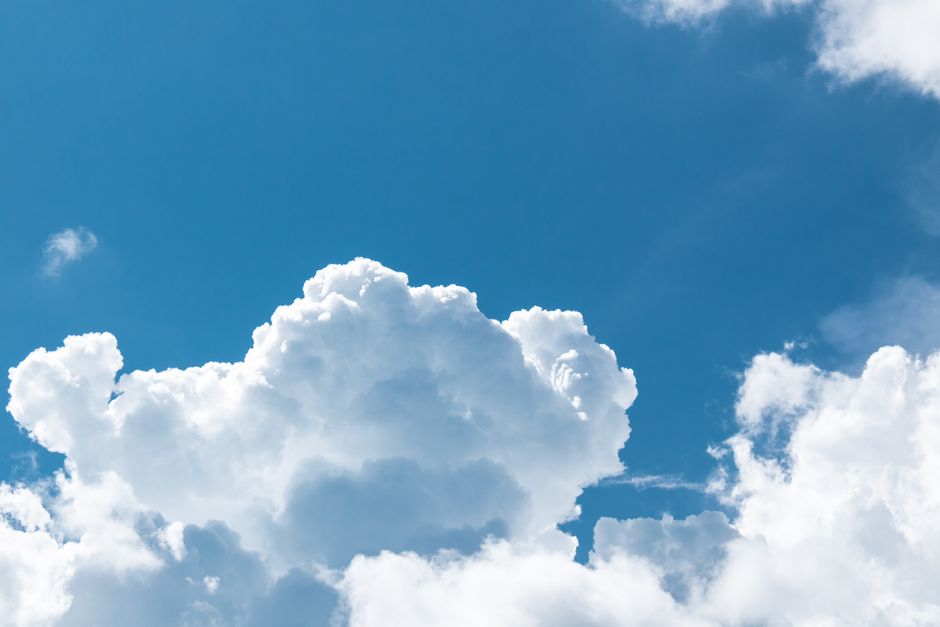
Photo by Donald Martinez on Pexels
Air does a lot for us and for the planet:
1. Breathing: Oxygen in the air is essential for us and most animals to breathe and stay alive.
2. Plant Growth: Plants use carbon dioxide from the air to make their food through a process called photosynthesis. They then release oxygen, which we breathe!
3. Weather: Water vapor in the air helps create clouds, rain, and snow, which are all part of Earth's weather system.
4. Protection: The air around Earth (called the atmosphere) acts like a shield. It protects us from harmful rays from the sun and burns up most meteors before they hit the ground.
5. Sound and Flight: Sound travels through air, so you can hear things. Air also allows planes and birds to fly.
Let's look at the cycle of gases vital for life:
graph TD
    A["Humans/Animals Breathe In"] --> B["Oxygen (from Air)"]
    B --> C["Use Oxygen for Energy"]
    C --> D["Release Carbon Dioxide"]
    D --> E["Plants Take In Carbon Dioxide"]
    E --> F["Plants Make Food (Photosynthesis)"]
    F --> G["Release Oxygen"]
    G --> B
Properties of Air

Photo by Ramon Karolan on Pexels
Even though you can't see it, air has properties:
* It takes up space: Try blowing up a balloon. The air inside fills the space!
* It has weight: An inflated balloon weighs slightly more than an empty one. While air feels light, all that air above us actually creates pressure.
* It can be compressed: You can squeeze a balloon or pump air into a tire, making it denser.
3. Worked Example
Imagine you're breathing. When you take a deep breath in, you're mostly filling your lungs with nitrogen (about 78%) and oxygen (about 21%). Your body uses that oxygen to help convert the food you ate into energy. When you breathe out, you release a lot of that nitrogen unchanged, a bit less oxygen (because your body used some), and more carbon dioxide (which your body produced). This constant exchange is happening with every breath you take, showing how essential air is for our survival.
4. Key Takeaways
- Air is an invisible mixture of gases surrounding the Earth.
- It's mainly made of nitrogen (about 78%) and oxygen (about 21%).
- Oxygen is vital for humans and animals to breathe and get energy.
- Plants use carbon dioxide from the air to make their food and release oxygen.
- The atmosphere protects Earth from the sun's harmful rays and falling meteors.
- Air has properties like taking up space, having weight, and being compressible.
- Water vapor in the air is crucial for weather patterns.
Common Mistakes to Avoid:
- Don't think air is nothing; it's a real substance with properties.
- Don't confuse air with just oxygen; oxygen is only part of the mix.
- Don't forget that both plants and animals depend on the gases in the air, just in different ways.
5. Now Try It
Take a balloon and try to blow it up. Feel the air moving into it and making it bigger. Then, think about what would happen if you had to hold your breath for a very long time. That feeling shows you just how much your body relies on getting fresh air with its oxygen. After thinking about it, jot down two things you learned today about air that you didn't fully understand before.
Frequently asked about Introduction to Air and Its Importance
Study this next
Get the full air around us for 6th grade curriculum
Clone the complete plan to your dashboard for unlimited AI-generated notes, practice quizzes, and a personalised revision schedule.
Save this course free