Introduction to Zulu Language and Culture
From the zulu curriculum
TL;DR
Zulu is a fascinating Bantu language primarily spoken in Southern Africa, especially South Africa, and its culture is rich with history, traditions, and a strong sense of community. Learning some basic phrases and understanding cultural norms will greatly enhance your appreciation and interactions. It's a tonal language with unique click consonants that add to its distinctive sound.
1. The Mental Model
Think of Zulu as a living tapestry, woven from a unique sound system, a structured grammar that tells stories through prefixes, and a vibrant culture deeply connected to its land and people. It's not just words; it's a way of seeing the world.
2. The Core Material
Zulu (isiZulu) is a member of the Nguni group of Bantu languages, spoken by about 12 million people, primarily in KwaZulu-Natal, South Africa. It's one of South Africa's 11 official languages.
2.1 The Sounds of Zulu: Clicks and Tones
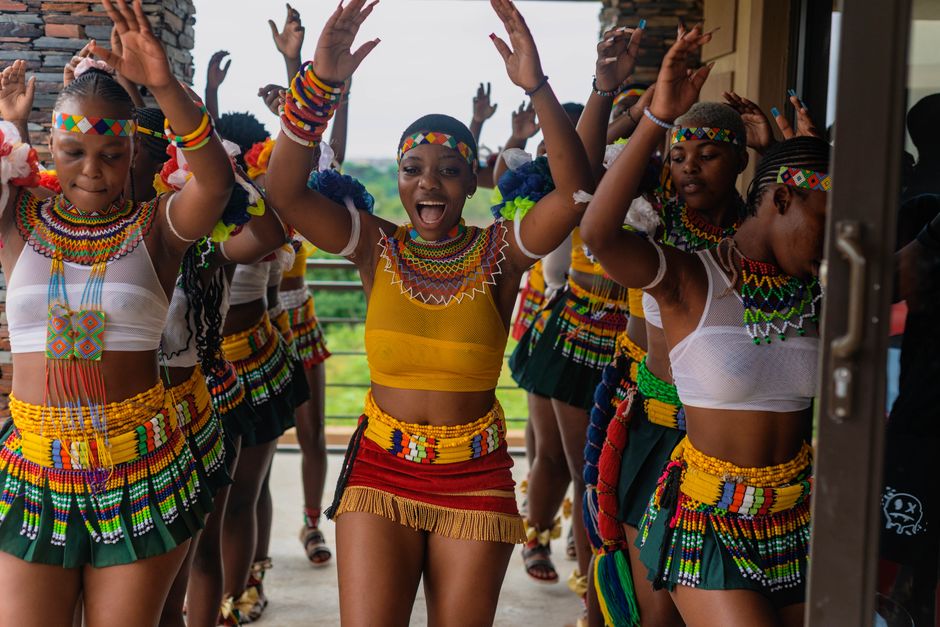
Photo by claytons gallary on Pexels
Zulu is famous for its click consonants, which can be challenging for non-native speakers but are essential to authentic pronunciation. There are three basic clicks:
- c: Dental click (like saying "tut-tut" in disapproval).
- q: Palatal click (like pulling a cork out of a bottle).
- x: Lateral click (like spurring a horse).
These clicks can also be combined with other consonants (e.g., gc, nq, bhx).
Zulu is also a tonal language. This means the pitch of your voice when saying a word can change its meaning. For example, umama (with a high tone on the first ma) means "mother," but umama (with a low tone on the first ma) might mean something else or be grammatically incorrect. Don't worry too much about perfect tones at first; focus on getting the clicks and basic pronunciation right.
2.2 Basic Greetings and Phrases

Photo by Vie Studio on Pexels
Here are some fundamental phrases you'll find very useful:
- Sawubona! (sing. to one person) / Sanibonani! (plur. to more than one person) - Hello! (lit. "I see you")
- Yebo. - Yes.
- Cha. - No.
- Ngiyaphila. - I am well.
- Unjani? (sing.) / Ninjani? (plur.) - How are you?
- Ngiyabonga. - Thank you.
- Uxolo. - Excuse me / Sorry.
- Hamba kahle. (to someone leaving) - Go well.
- Sala kahle. (to someone staying) - Stay well.
2.3 Introduction to Zulu Culture
Photo by claytons gallary on Pexels
Zulu culture is rich and vibrant, deeply rooted in history, tradition, and strong community values.
graph TD
    A["Zulu Culture Core Values"] --> B["Ubuntu (Humanity towards others)"];
    A --> C["Respect for Elders & Ancestors"];
    A --> D["Community & Family Unity"];
    A --> E["Storytelling & Oral Tradition"];
    B --> B1["Empathy & Compassion"];
    B --> B2["Hospitality"];
    C --> C1["Greetings & Deference"];
    C --> C2["Rituals & Ceremonies"];
    D --> D1["Collective Responsibility"];
    D --> D2["Celebrations & Gatherings"];
    E --> E1["Proverbs & Folk Tales"];
    E --> E2["History & Identity Preservation"];
- Ubuntu: This is a core philosophy meaning "I am because we are." It emphasizes human connection, compassion, and mutual respect. You'll often see it reflected in hospitality and community support.
- Respect: Showing respect to elders (abaholi, izinduna) and those in authority is paramount. This includes appropriate greetings and listening attentively.
- Family (Umndeni): Extended family ties are very strong. You'll often hear people refer to cousins as brothers/sisters and aunts/uncles as mothers/fathers.
- Traditional Attire: For special occasions, you might see beautiful traditional attire, often adorned with beadwork (ubuhlalu) and vibrant colors, each with its own meaning.
- Music and Dance: Zulu culture is famous for its energetic music and dance forms, often accompanied by drums (izigubhu) and singing.
3. Worked Example
Let's imagine you've just arrived in Durban, KwaZulu-Natal, and want to greet someone respectfully and ask how they are.
You approach a local vendor at a market.
- You: "Sawubona!" (Addressing one person)
- Vendor: "Yebo, Sawubona."
- You: "Unjani?" (Asking "How are you?")
- Vendor: "Ngiyaphila, unjani wena?" (I am well, how are you?)
- You: "Ngiyaphila, ngiyabonga." (I am well, thank you.)
- As you leave, you might say: "Hamba kahle." (Go well.)
- Vendor: "Sala kahle." (Stay well.)
This short exchange demonstrates basic greetings, showing respect, and using common phrases that facilitate a friendly interaction.
4. Key Takeaways
- Zulu is a tonal language with three distinct click consonants (c, q, x) crucial for correct pronunciation.
- "Sawubona" (hello to one person) and "Sanibonani" (hello to many people) are essential and respectful greetings.
- "Ubuntu" is a central philosophy in Zulu culture, emphasizing humanity, interconnectedness, and community spirit.
- Showing respect to elders and those in authority is a fundamental aspect of Zulu cultural etiquette.
- Learn basic phrases like "Ngiyabonga" (thank you) and "Uxolo" (excuse me/sorry) for smoother interactions.
- Family and community bonds are extremely important, often extending beyond the nuclear family.
Common Mistakes to Avoid

Photo by KATRIN BOLOVTSOVA on Pexels
- Don't skip practicing the clicks; they're integral to many Zulu words.
- Don't assume non-tonal meanings for words; tone can change everything.
- Don't interrupt elders or speak disrespectfully; observe and learn.
- Don't rush into conversations without a proper greeting; it's considered impolite.
5. Now Try It
Spend 15 minutes practicing the three basic click sounds (c, q, x) until you can produce them distinctly. Then, practice saying "Sawubona," "Unjani," and "Ngiyabonga" with attention to the sounds. Success looks like you being able to produce the clicks without hesitation and confidently say these three phrases, even if your tone isn't perfect yet.
Frequently asked about Introduction to Zulu Language and Culture
Study this next
Get the full zulu curriculum
Clone the complete plan to your dashboard for unlimited AI-generated notes, practice quizzes, and a personalised revision schedule.
Save this course free