Comparing Animal and Plant Cells
From the Cells curriculum
TL;DR
Animal and plant cells are both eukaryotic but have key differences reflecting their distinct roles. Plant cells have a cell wall, chloroplasts, and a large central vacuole, which animal cells lack. These unique structures allow plants to perform photosynthesis and maintain rigid structure.
1. The Mental Model
Think of animal cells as versatile generalists, able to move and consume food. Plant cells, in contrast, are specialized architects, built for stillness, self-sufficiency through photosynthesis, and structural support.
2. The Core Material
You'll find that animal and plant cells share many fundamental eukaryotic features, like a nucleus, mitochondria, endoplasmic reticulum, and Golgi apparatus. However, their unique adaptations are what really set them apart.
Key Plant Cell Structures

Photo by Fayette Reynolds M.S. on Pexels
Plant cells have three main structures you won't typically find in animal cells:
- Cell Wall: This rigid outer layer, made primarily of cellulose, provides structural support and protection. It's like the skeleton for the entire plant.
- Chloroplasts: These organelles are where photosynthesis happens. They contain chlorophyll, which captures light energy to convert carbon dioxide and water into glucose (food) and oxygen. Think of them as the plant's tiny solar panels.
- Central Vacuole: A large, fluid-filled sac that can take up 30-80% of the cell's volume. It stores water, nutrients, and waste, and helps maintain turgor pressure, keeping the cell rigid. When a plant wilts, it's often because this vacuole has lost water.
Why Animal Cells Lack These Features
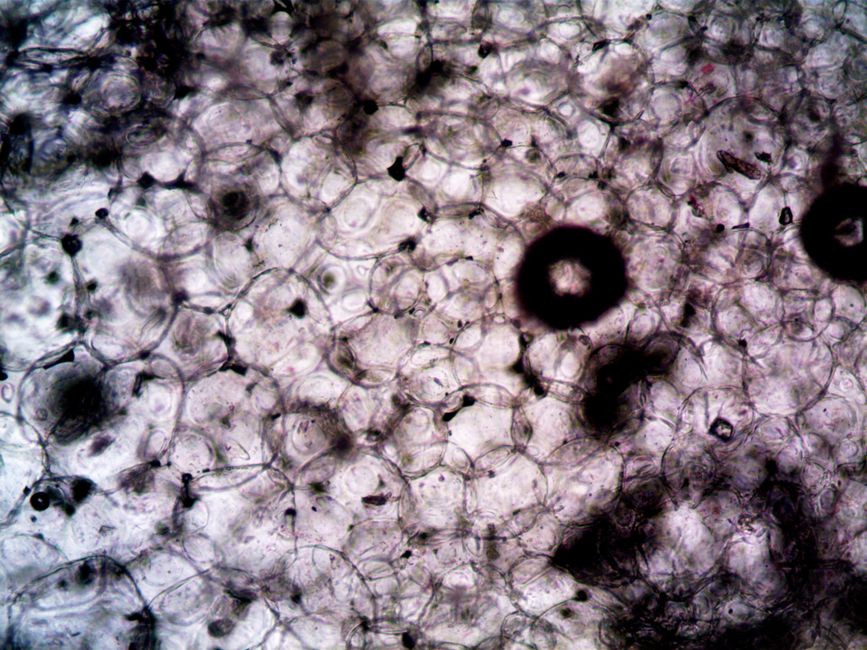
Photo by turek on Pexels
Animal cells don't need a cell wall because they often have skeletons (internal or external) for support, or rely on the extracellular matrix. They don't need chloroplasts because they get their energy by consuming other organisms. And while animal cells have smaller vacuoles, they don't have a large central one for structural support because they often have more flexible structures.
Here's a comparison of their key features:
graph TD
    A["Eukaryotic Cell"] --> B["Animal Cell"]
    A --> C["Plant Cell"]

    B --> B1["No Cell Wall"]
    B --> B2["No Chloroplasts"]
    B --> B3["Small/Numerous Vacuoles"]
    B --> B4["Centrioles (usually)"]
    B --> B5["Heterotrophic (consume food)"]
    B --> B6["Flexible Shape"]

    C --> C1["Cell Wall (cellulose)"]
    C --> C2["Chloroplasts (photosynthesis)"]
    C --> C3["Large Central Vacuole"]
    C --> C4["No Centrioles"]
    C --> C5["Autotrophic (make own food)"]
    C --> C6["Fixed, Rectangular Shape"]

    B & C --> Shared["Shared Organelles:
        - Nucleus
        - Mitochondria
        - ER
        - Golgi Apparatus
        - Ribosomes
        - Cell Membrane"]
3. Worked Example
Let's say you're looking at two slides under a microscope, one with cells from an onion peel and another with cells from a human cheek swab.
- Onion Cell (Plant Cell): You'd observe a distinct, rigid, rectangular shape due to the cell wall. Inside, you'd likely see a large, clear area taking up much of the cell – that's the central vacuole. If the onion was exposed to light, you might also spot tiny green structures (chloroplasts), though onion bulb cells aren't their primary photosynthetic tissue.
- Cheek Cell (Animal Cell): These cells would appear more irregular, round, or oval, without a rigid outer boundary. You wouldn't see a large central vacuole or any chloroplasts.
This quick visual assessment, even without staining, lets you immediately identify which slide contains plant cells and which contains animal cells based on those key distinguishing structures.
4. Key Takeaways
- Plant cells have a rigid cell wall outside the cell membrane, providing support and protection.
- Chloroplasts are unique to plant cells (and some protists) and are the site of photosynthesis.
- A large central vacuole in plant cells stores water and maintains turgor pressure, keeping the plant rigid.
- Animal cells typically have an irregular shape, while plant cells are more fixed and rectangular.
-
Both cell types are eukaryotic, sharing organelles like the nucleus, mitochondria, and endoplasmic reticulum.
-
Avoid this mistake: Confusing the cell wall with the cell membrane; the wall is outside the membrane in plant cells.
- Avoid this mistake: Assuming all plant cells have abundant, easily visible chloroplasts; some plant tissues (like roots) don't.
- Avoid this mistake: Thinking animal cells have no vacuoles; they have small, temporary ones, just not a large central one.
5. Now Try It
Draw a Venn diagram comparing animal and plant cells. Label the overlapping section with shared organelles (at least 5), and label the distinct sections with at least 3 structures unique to each cell type. Success means your diagram clearly shows the shared and unique components, reflecting your understanding of their structural differences.
Frequently asked about Comparing Animal and Plant Cells
Study this next
Get the full Cells curriculum
Clone the complete plan to your dashboard for unlimited AI-generated notes, practice quizzes, and a personalised revision schedule.
Save this course free