Vocabulario Fundamental y Conceptos Históricos
From the history in spanish curriculum
TL;DR
To understand history in Spanish, you'll need to master key vocabulary and concepts. These terms help you describe periods, events, and societal structures accurately. Learning these foundational words will make reading and discussing historical texts much easier.
1. The Mental Model
Think of these terms as building blocks. Just like you can't build a house without bricks, you can't understand history without knowing the basic words and ideas that historians use. Each term helps you place events in time, understand their causes, and see their effects.
2. The Core Material
When studying history in Spanish, you'll encounter specific terms that describe different aspects of the past. Let's break down some of the most crucial ones.
2.1 Periodización (Periodization)

Photo by Alexander Suárez on Pexels
This refers to how historians divide time into manageable chunks. It helps organize events and understand major shifts.
- Edad Antigua (Ancient Age): Generally from the invention of writing (around 3500 BCE) to the fall of the Western Roman Empire (476 CE). Think of empires like Egypt, Greece, and Rome.
- Edad Media (Middle Ages): From 476 CE to the fall of Constantinople (1453) or the discovery of America (1492). This period saw the rise of feudalism and the dominance of the Church in Europe.
- Edad Moderna (Modern Age): From 1492/1453 to the French Revolution (1789). This era includes the Renaissance, the Age of Exploration, and the Reformation.
- Edad Contemporánea (Contemporary Age): From 1789 to the present day. This period covers industrialization, world wars, and technological advancements.
2.2 Conceptos Sociales y Políticos (Social and Political Concepts)
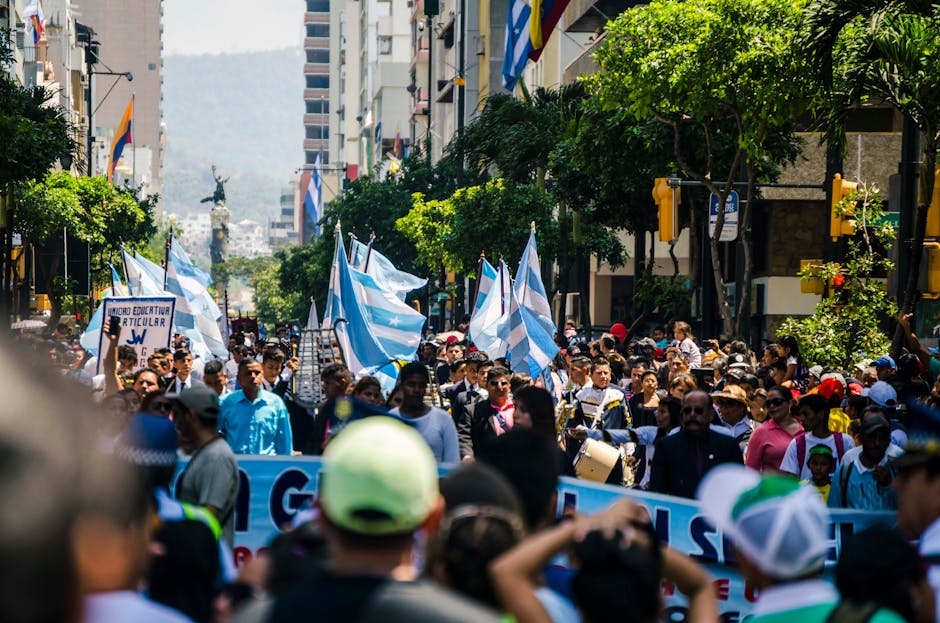
Photo by Romina Ordóñez on Pexels
These terms help describe how societies were organized and governed.
- Monarquía: A system of government where a single person (king/queen) holds supreme power, often inherited.
- República: A state in which supreme power is held by the people and their elected representatives, rather than by a monarch.
- Imperio: An extensive group of states or countries under a single supreme authority, often an emperor or empress.
- Feudalismo: A medieval European social system where nobles held land from the Crown in exchange for military service, and vassals were in turn tenants of the nobles, while peasants (serfs) were obliged to live on their lord's land and give him homage, labor, and a share of the produce.
- Colonialismo: The policy or practice of acquiring full or partial political control over another country, occupying it with settlers, and exploiting it economically.
2.3 Eventos y Procesos Clave (Key Events and Processes)
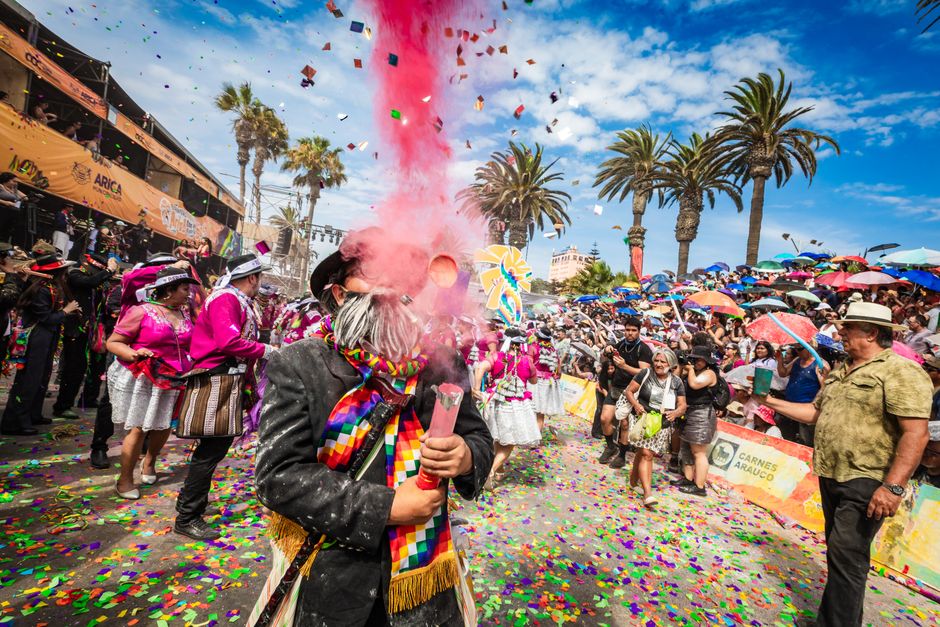
Photo by Is on Pexels
These words describe actions and changes over time.
- Conquista: The act of taking control of a place or people by military force.
- Revolución: A forcible overthrow of a government or social order in favor of a new system. Often implies rapid, fundamental change.
- Guerra: A state of armed conflict between different countries or different groups within a country.
- Independencia: The fact or state of being independent; freedom from outside control or support. Often refers to nations gaining autonomy from colonial powers.
- Migración: The movement of people from one place to another, intending to settle temporarily or permanently in the new location.
Here's a diagram to visualize the major historical periods:
graph TD
    A["Prehistoria (Prehistory)"] --> B["Edad Antigua (Ancient Age)"]
    B --> C["Edad Media (Middle Ages)"]
    C --> D["Edad Moderna (Modern Age)"]
    D --> E["Edad Contemporánea (Contemporary Age)"]
3. Worked Example
Let's use these terms to describe a common historical event. Imagine you're reading about the discovery of America:
"El viaje de Cristóbal Colón en 1492 marcó el inicio de la Edad Moderna para muchos historiadores. Este evento fundamental llevó a la conquista y al colonialismo europeo en América, transformando la estructura política de muchas sociedades indígenas que previamente vivían en sistemas de imperios o tribus. Aunque algunos ven la llegada de los europeos como el inicio de una era de progreso, para las poblaciones nativas fue el comienzo de un período marcado por guerras y la pérdida de su independencia."
Here, you can see how "Edad Moderna," "conquista," "colonialismo," "imperios," "guerras," and "independencia" are used to explain the historical context and impact.
4. Key Takeaways
- Understanding periodización (Edad Antigua, Media, Moderna, Contemporánea) helps you organize historical events chronologically.
- Terms like monarquía, república, imperio, and feudalismo describe different forms of government and social structures.
- Colonialismo explains the dynamic of one power controlling another territory and its people.
- Key processes like conquista, revolución, guerra, and independencia describe significant changes and conflicts.
- These terms are not just labels; they carry specific historical meanings that shape how we interpret the past.
Common mistakes you should avoid:
- Mixing up the start and end dates of historical periods; they have specific generally accepted boundaries.
- Using "revolución" for any big change; it implies a swift, often violent, fundamental shift in power or structure.
- Assuming historical concepts like "feudalismo" apply universally to all cultures and times; they're specific to certain contexts.
- Forgetting that "Edad Moderna" and "Edad Contemporánea" are distinct periods in Spanish historical nomenclature, unlike some English interpretations.
5. Now Try It
Take a short historical text in Spanish (you can find one on Wikipedia about any country's history). Read the first two paragraphs carefully. Identify at least five of the vocabulary words or concepts we discussed today. For each word you find, briefly explain in your own words what it means in the context of that specific historical text.
Success looks like: you've identified five terms, defined them correctly, and explained how they relate to the historical information presented in the text.
Frequently asked about Vocabulario Fundamental y Conceptos Históricos
Study this next
Get the full history in spanish curriculum
Clone the complete plan to your dashboard for unlimited AI-generated notes, practice quizzes, and a personalised revision schedule.
Save this course free